augmented reality is coming to your ears
 Now augmented aural reality (AAR) is here and, in the near future, ready to use.
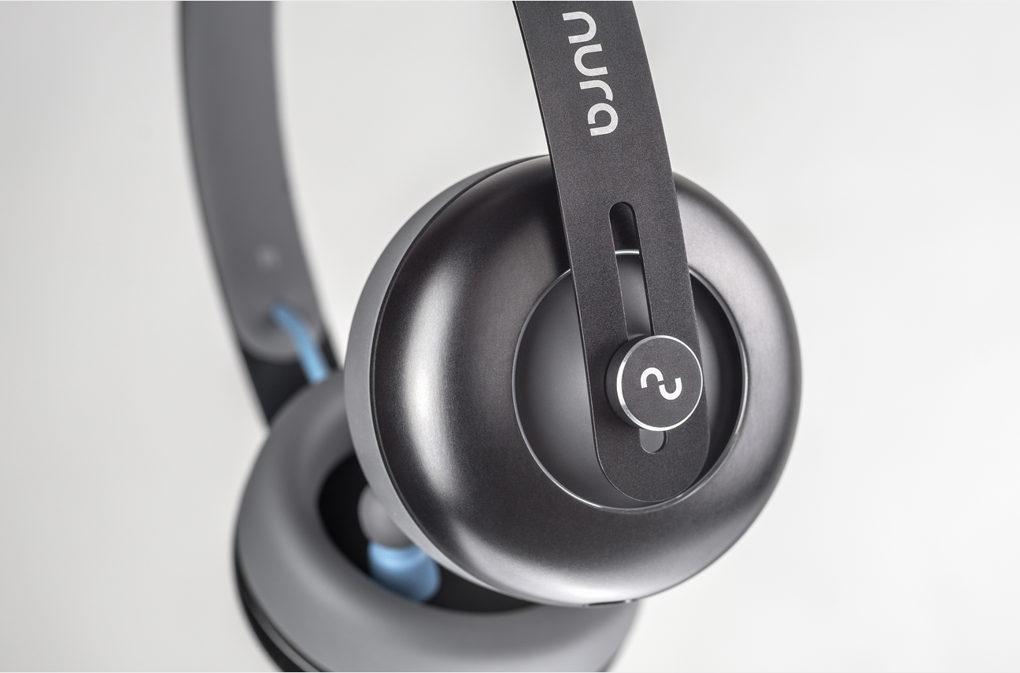
Take Nura, a pair of "in-ear and over-ear" headphones that, in summer 2016, raised $1.88 million (£1.3m) on Kickstarter. Listening with them varies vastly from person to person; by measuring the minute vibrations of the inner ear (an adaptation of the test used to screen babies for deafness), Nura corrects its input to fit each wearer's earprint. Developed at the HAX accelerator in Shenzhen, the $399 devices are scheduled to ship in spring 2017. They are, in effect, a hearing aid for the hearing.
Other aural AR devices go further than correction. San Francisco-based Doppler Labs' 20p-sized wireless Here One earbuds can isolate specific sounds, allowing the listener to cancel out the noise of a building site, for instance, or focus on a conversation in a busy restaurant, a process Doppler calls adaptive filtering.
Even if in-ear alerts prove too disruptive, the mere act of acoustic filtering is still a dystopian prospect. Listening is democratic, because it is in most cases passive; it takes what it is given without care or favour. AAR presents a processed version of the world, loud noises sanded down, strident voices washed away.
See the full story here: http://www.wired.co.uk/article/aural-augmented-reality