AR could find its way to the courtroom
 Studies have found that secondary victimisation – such as victim-blaming and insensitive behaviour from police, judges and social workers – can make victims feel violated and traumatised. Special measures and other means to testify are available but lawyers have argued that the demeanour of complainants, especially when testifying, can affect the jury’s perception and hinder their case.
Non-verbal communication such as body language plays a significant role in criminal trials, especially in sexual assault cases. Jurors use “intuition” to judge demeanour, deception and credibility from the posture, gaze and expression of witnesses. This poses a challenge in cases where special measures have been used.
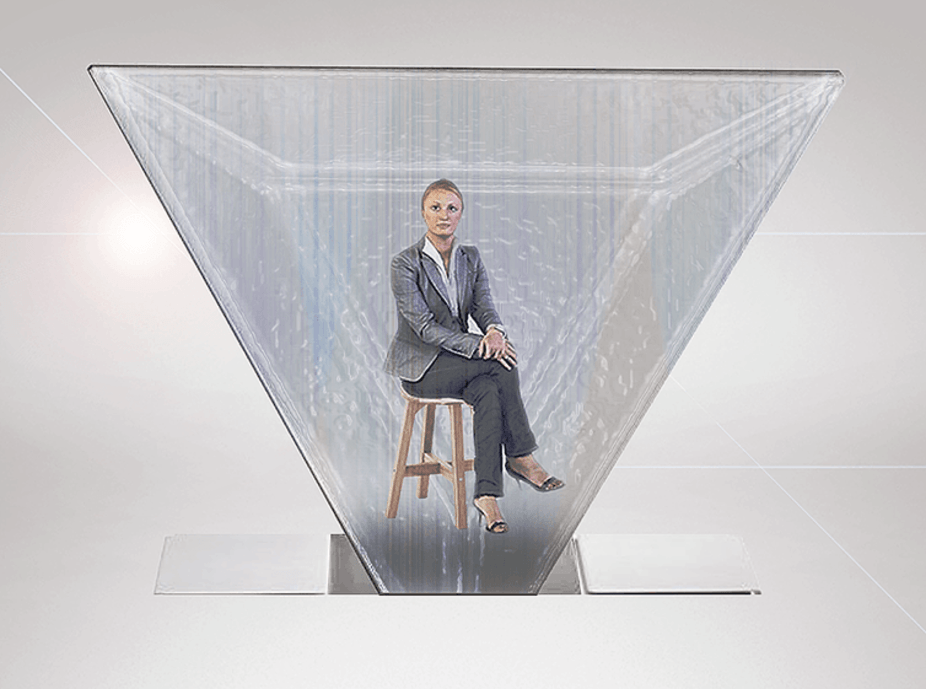
A system for use in court would superimpose augmented graphic elements in specific locations, so that individuals could appear in the witness box without having ever entered the courtroom. This approach would shield vulnerable witnesses from the stress of giving testimony in person, but ensure that the jury sees a more realistic testimony. The same technology could be used in situations where evidence is given to the jury alone.
Regardless of the technology adopted, audio plays a massive part in creating realistic engagement with virtual or augmented reality environments. For jurors to feel like they are hearing a witness as if they were physically in the witness stand, spacial audio is essential. It would allow jurors to note every vocal cue or inflection during testimony.
See the full story here: http://theconversation.com/augmented-reality-how-the-technology-behind-pokemon-go-could-find-its-way-to-the-courtroom-72896