Team to use virtual reality to help with real-world arms control
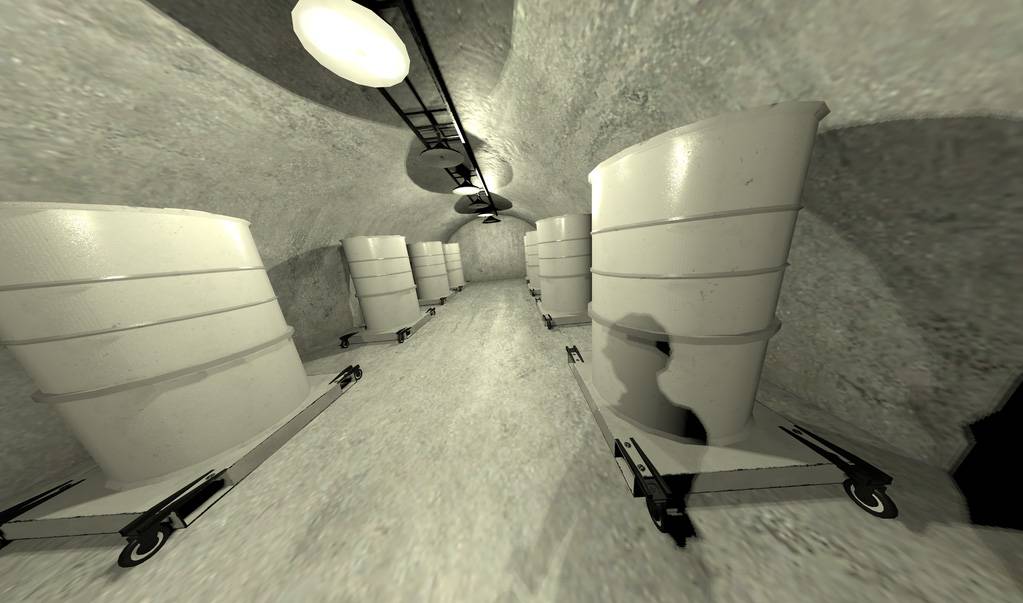 The project participants will develop a full-motion virtual reality (VR) to “design and simulate new, cohesive arms-control treaty verification approaches” to reduce and secure nuclear weapons and materials, according to the proposal.
Glaser said virtual reality can create a simulated world in which inspectors and others can see and document issues involving nuclear material. Demonstrating new verification techniques can encourage nation-to-nation cooperation with an aim of reducing nuclear materials around the globe, he said.
“It’s essential to develop some new thinking around how to reduce the numbers of these materials,” said Macfarlane. She called Glaser a “top-notch” scientist and policy expert who is uniquely qualified to deliver on the project’s promise.
See the full story here: https://www.princeton.edu/news/2017/08/21/team-use-virtual-reality-help-real-world-arms-control