Google, Facebook and Microsoft Line Up For VR Standalone Push
Over the next two weeks we are expecting major announcements related to VR from Microsoft, Google and Facebook.
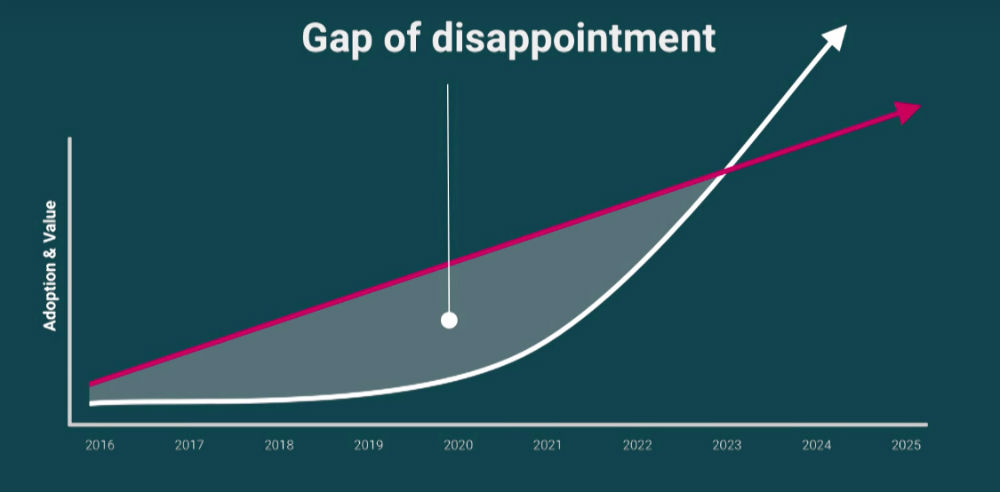 It couldn’t come at a better time for VR developers who spent the summer reading headline after headline about how VR is dead, fulfilling the prediction of Unity CEO John Riccitiello that journalists couldn’t stop themselves from writing negatively about the gap between analyst estimates and actual sales in the first year or so of VR’s mainstream adoption. The so-called “gap of disappointment” was made possible by analysts who model the growth of the industry in a straight line whereas Riccitiello suggested it is far more likely to see more of a curve to adoption — a slow start that suddenly ramps at an accelerated pace.
Microsoft - We know headsets are on the way from Dell, Lenovo, HP, Acer, ASUS and we’ve seen another leaked from Samsung. Pricing starts around $300 and they work with hand controllers which dramatically increase a sense of interactivity and overall immersion. These systems are compatible with Microsoft’s Windows 10 “mixed reality” platform, promising compatibilitywith both the Windows Store and Steam. There is a stellar line up of content on tap.
Google -
On Oct. 4 (Wednesday morning) Google will reveal its product lineup for the holiday season.

Google’s Daydream View
Google just acquired a team from HTC responsible for the creation of the Pixel smartphone. Earlier this year the ad giant also acquired Owlchemy Labs, the creator of Job Simulator and Rick & Morty VR. During its developer conference earlier this year, Google revealed its WorldSense tracking technology ideal for VR and AR headsets.
Facebook - What makes Facebook different from the efforts we’re seeing from Microsoft and Google is that the company doesn’t have any of the baggage from Android or Windows to support in developing its new ecosystem of standalone VR headsets. Facebook gets a fresh start. The VR decision makers at the company are theoretically free to make choices that are best for the developers building for these systems and for the people who are buying them. When it comes to standalone VR headsets, Facebook’s teams likely won’t have to decide whether something works well with Android or Windows.
See the full story here: https://uploadvr.com/google-oculus-facebook-standalones/