Thinking and behaviour differs in virtual reality and real life, study claims
“People expect VR experiences to mimic actual reality and thus induce similar forms of thought and behaviour,” said Alan Kingstone, a professor in UBC’s department of psychology and the study’s senior author. “This study shows that there’s a big separation between being in the real world and being in a VR world.”
Previous research has shown that ‘social presence’ deters contagious yawning, with people yawning less or resisting the urge to yawn when they believe they are being watched.
Collaborating with Andrew Gallup from State University of New York Polytechnic Institute, the team from UBC tried to bring about contagious yawning in a VR environment, with participants in the study wearing an immersive headset and being exposed to videos of people yawning.
Results showed that in those conditions, the rate of contagious yawning was 38 per cent, comparable to the average real-life rate of 30-60 per cent.
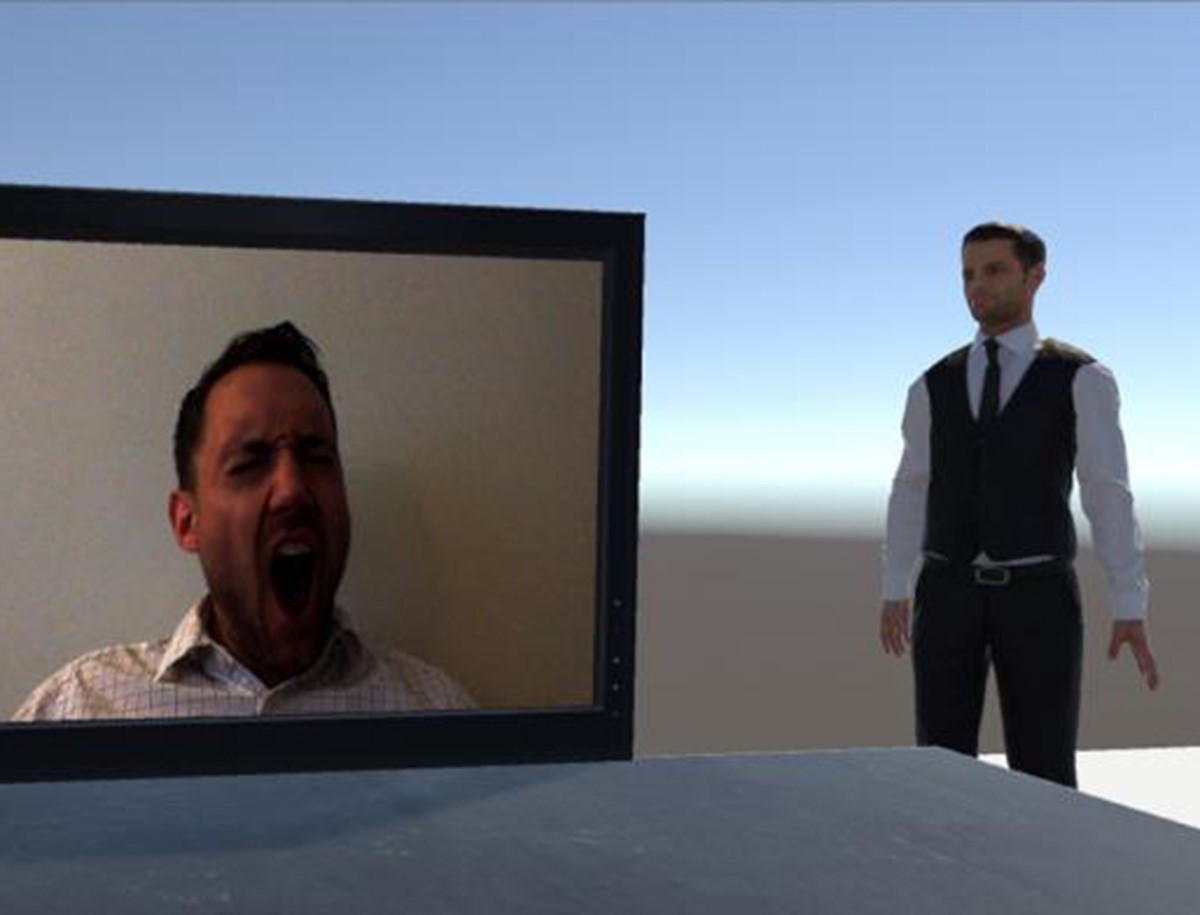 However when researchers introduced social presence in the virtual environment they found it had little effect, with the subjects yawning at the same rate, even while being watched by a virtual human avatar or a virtual webcam.
Researchers doing the study described the observations as an “interesting paradox”, saying that stimuli that trigger contagious yawns in real life did the same in virtual reality, but stimuli that suppress yawns in real life did not.
See the full story here: https://eandt.theiet.org/content/articles/2019/01/thinking-and-behaviour-differs-in-virtual-reality-and-real-life-study-claims/