YouTube’s child viewers may struggle to recognise adverts in videos from ‘virtual play dates’
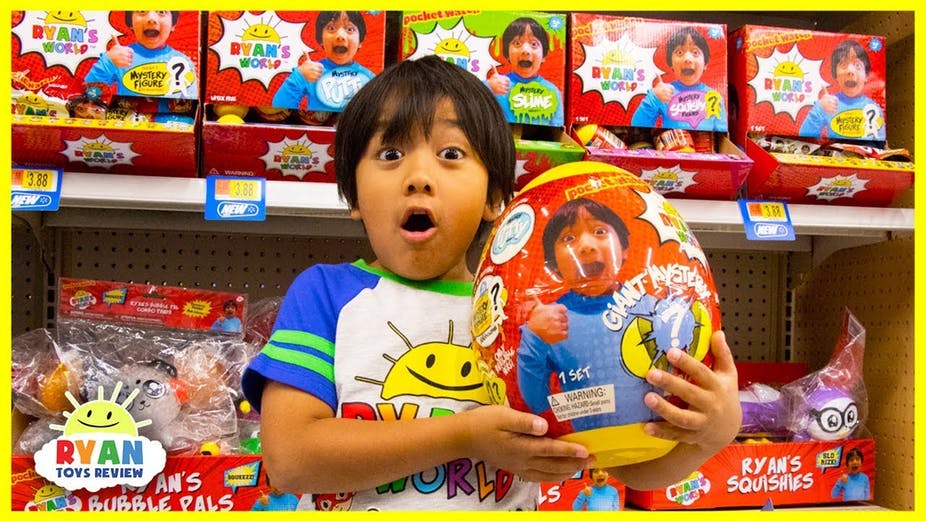 YouTube’s highest earning star in 2018 was a seven-year-old boy named Ryan. That’s right – a child out-earned the likes of the infamous Logan Paul, video game vlogger PewDiePie, and even make-up mogul Jeffree Star. Between June 2017 and June 2018, Ryan is estimated to have earned an impressive US$22m from the platform.
Guided by his parents, Ryan presents his own YouTube channel, Ryan ToysReview, where he unboxes and plays with the latest toys. Since joining YouTube in 2015, Ryan has amassed more than 18.5m subscribers, the majority of whom are, unsurprisingly, children. Discussing the appeal, Ryan’s mother explained that viewers feel like they’re “on a play date with him and going on fun, pretend play adventures”.
Talking to children about their favourite vloggers, and explaining that they promote toy products via their YouTube channel in order to earn money, will also sensitise them to the vlogger’s role as a marketer, making them more aware and critical of their embedded marketing messages. In the long term, however, YouTube must work with regulators to establish consistent disclosure mechanisms that can be easily identified and understood by their growing child user base.
See the full story here: https://theconversation.com/youtubes-child-viewers-may-struggle-to-recognise-adverts-in-videos-from-virtual-play-dates-113969