Facebook’s A.I. Whiz Now Faces the Task of Cleaning It Up. Sometimes That Brings Him to Tears.
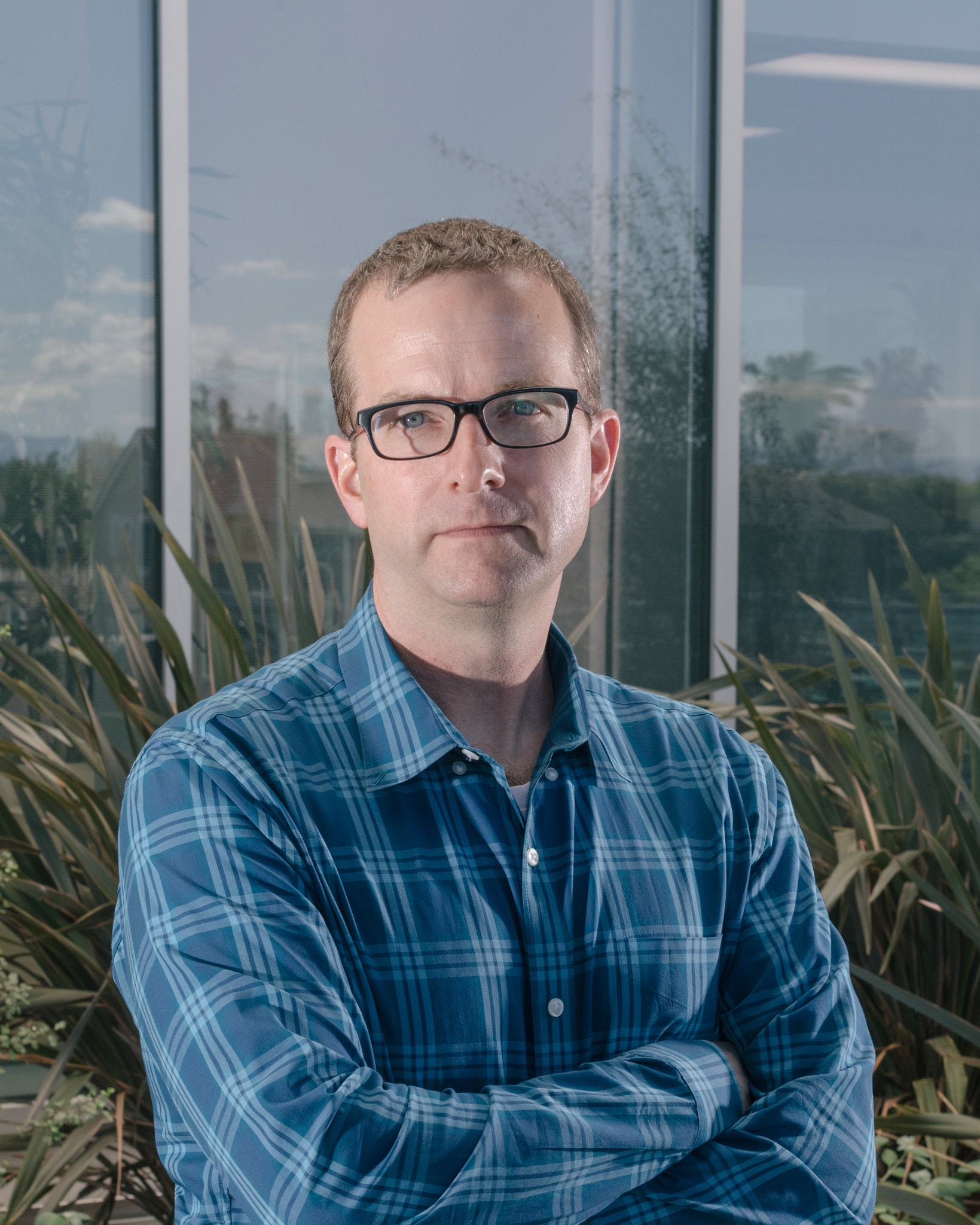 Mr. Schroepfer, 44, is in a position he never wanted to be in. For years, his job was to help the social network build a top-flight A.I. lab, where the brightest minds could tackle technological challenges like using machines to pick out people’s faces in photos. He and Mr. Zuckerberg wanted an A.I. operation to rival Google’s, which was widely seen as having the deepest stable of A.I. researchers. He recruited Ph.D.s from New York University, the University of London and the Pierre and Marie Curie University in Paris.
But along the way, his role evolved into one of threat removal and toxic content eliminator. Now he and his recruits spend much of their time applying A.I. to spotting and deleting death threats, videos of suicides, misinformation and outright lies.
“None of us have ever seen anything like this,” said John Lilly, a former chief executive of Mozilla and now a venture capitalist at Greylock Partners, who studied computer science with Mr. Schroepfer at Stanford University in the mid-1990s. “There is no one else to ask about how to solve these problems.”
...
In late 2015, some of the A.I. work started to shift. The catalyst was the Paris terrorist attack, in which Islamic militants killed 130 people and wounded nearly 500 during coordinated attacks in and around the French capital. Afterward, Mr. Zuckerberg asked the Applied Machine Learning team what it might do to combat terrorism on Facebook, according to a person with knowledge of the company who was not authorized to speak publicly.
In response, the team used technology developed inside the new Facebook A.I. lab to build a system to identify terrorist propaganda on the social network. The tool analyzed Facebook posts that mentioned the Islamic State or Al Qaeda and flagged those that most likely violated the company’s counterterrorism policies. Human curators then reviewed the posts.
It was a turning point in Facebook’s effort to use A.I. to weed through posts and eliminate the problematic ones.
...
Identifying rogue images is also one of the easier tasks for A.I. It is harder to build systems to identify false news stories or hate speech. False news stories can easily be fashioned to appear real. And hate speech is problematic because it is so difficult for machines to recognize linguistic nuances. Many nuances differ from language to language, while context around conversations rapidly evolves as they occur, making it difficult for the machines to keep up.
Delip Rao, head of research at A.I. Foundation, a nonprofit that explores how artificial intelligence can fight disinformation, described the challenge as “an arms race.” A.I. is built from what has come before. But so often, there is nothing to learn from. Behavior changes. Attackers create new techniques. By definition, it becomes a game of cat and mouse.
See the full story here: https://www.nytimes.com/2019/05/17/technology/facebook-ai-schroepfer.html