Industry review boards are needed to protect VR user privacy
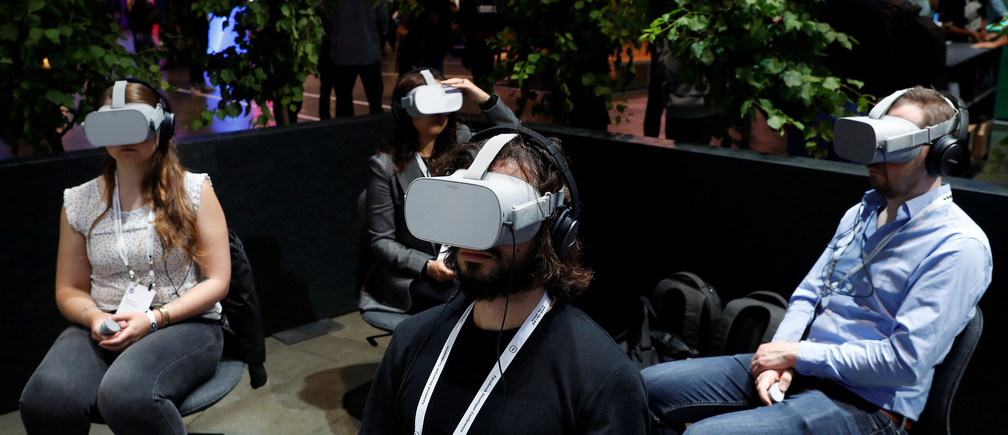 This is a hypothetical situation, but the science of using movements tracked in VR to predict dementia, and the technology to do so, are very real.
What Riley didn’t know was that the startup that created this game had decided to sell its users’ tracking data. Riley also didn’t know that a 20-minute VR game session recorded 2 million points of data about his body movement, and that an insurance company was one of the customers buying the game data. A month after playing the game, Riley was turned down for a new life-insurance policy. Given his excellent health, he couldn’t understand why. Several appeals later, the insurance company disclosed that Riley’s tracking data from the VR maze game revealed behavioral movement patterns often seen among people in the very early stages of dementia. Later, Riley’s sister, who had not played the VR maze game, was also rejected for life and long-term care insurance policies, as dementia tends to run in families.
Virtual and augmented reality (VR and AR) biometric tracking data - micro-movements of head, torso, hands, and eyes - can be medical data. It can diagnose or predict anxiety, depression, schizophrenia, addiction, ADHD, autism spectrum disorder and more about a person’s cognitive and physical function.
Anonymizing VR and AR tracking data is nearly impossible because individuals have unique patterns of movement.
See the full story here: https://www.weforum.org/agenda/2019/08/the-hidden-risk-of-virtual-reality-and-what-to-do-about-it/