AI can’t protect us from deepfakes, argues new report
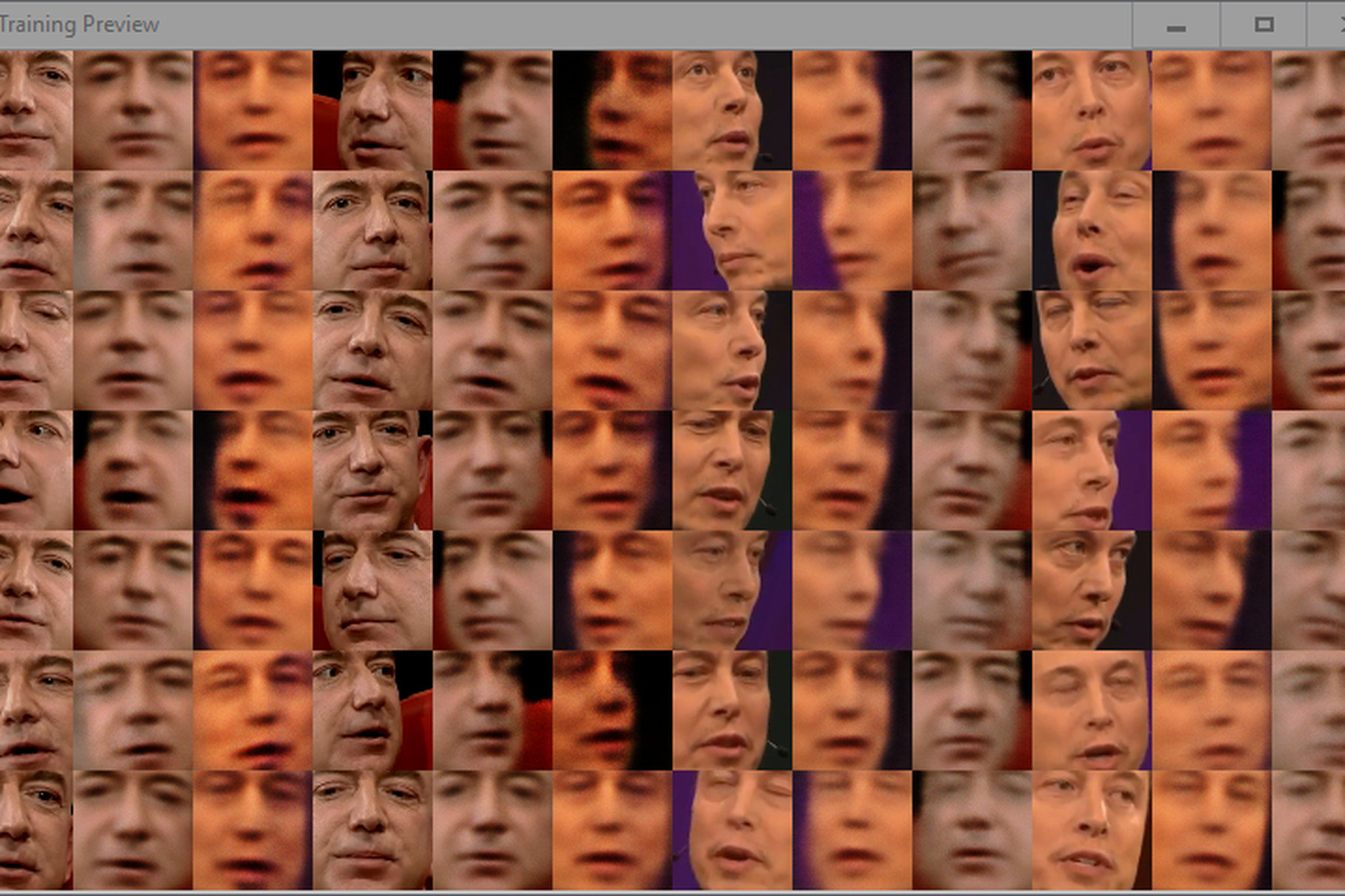 “The relationship between media and truth has never been stable,” the report reads. In the 1850s when judges began allowing photographic evidence in court, people mistrusted the new technology and preferred witness testimony and written records.
To combat this issue, Facebook recently announced that it was releasing a dataset to allow people to test out new models aimed at detecting deepfakes....But almost all of these solutions aim to fight manipulation at the point-of-capture (i.e., when a photo or video is taken) or at the detection level (to make it easier to differentiate between doctored and undoctored content).
Bobby Chesney, co-author of the paper “Deep Fakes: A Looming Challenge for Privacy, Democracy, and National Security,” does not view data collection as an issue. “I see the point that if left unregulated, private entities will have access to more information,” he said. “But the idea that that’s inherently bad strikes me as unpersuasive.”
Chesney and Paris agree that some sort of technical fix is needed and that it must work alongside the legal system to prosecute bad actors and stop the spread of faked videos. “We need to talk about mitigation and limiting harm, not solving this issue,” Chesney added. “Deepfakes aren’t going to disappear.”
See the full story here: https://www.theverge.com/2019/9/18/20872084/ai-deepfakes-solution-report-data-society-video-altered