Creativity and AI: The Next Step
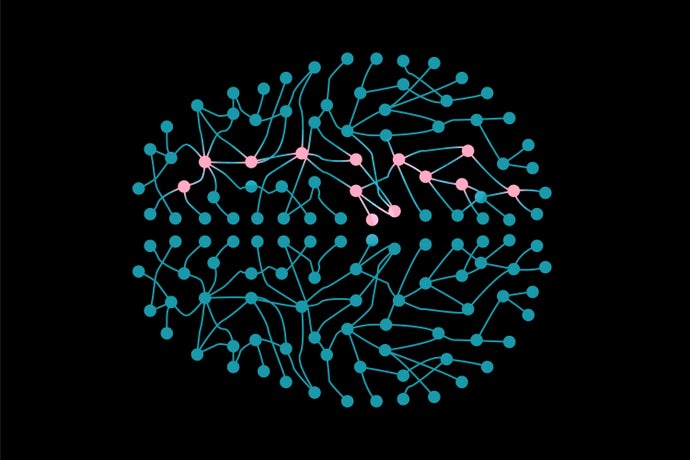 These are the two main sorts of AI around at present. Symbolic machines like Deep Blue are programmed to reason as humans do, working through a series of logical steps to solve specific problems. An example is a medical diagnosis system in which a machine deduces a patient’s illness from data by working through a decision tree of possibilities.
Artificial neural networks like AlphaGo Zero are loosely inspired by the wiring of the neurons in the human brain and need far less human input. Their forte is learning, which they do by analyzing huge amounts of input data or rules such as the rules of chess or Gogo. They have had notable success in recognizing faces and patterns in data and also power driverless cars. The big problem is that scientists don’t know as yet why they work as they do.
But it’s the art, literature and music that the two systems create that really points up the difference between them. Symbolic machines can create highly interesting work, having been fed enormous amounts of material and programmed to do so. Far more exciting are artificial neural networks, which actually teach themselves and which can therefore be said to be more truly creative.
All of these generate far more challenging and difficult works—the machine’s idea of art, not ours.
...artificial neural networks can spark human ingenuity. They can introduce us to new ideas and boost our own creativity.
What is needed is to develop a machine that includes the best features of both symbolic machines and artificial neural networks.
...combining the two systems could lead to more intelligent solutions and also to forms of art, literature and music which that are more accessible to human audiences while also being experimental, challenging, unpredictable and fun.
See the full story here: https://blogs.scientificamerican.com/observations/creativity-and-ai-the-next-step/