Islamic State Turns to Teen-Friendly TikTok, Adorning Posts With Pink Hearts
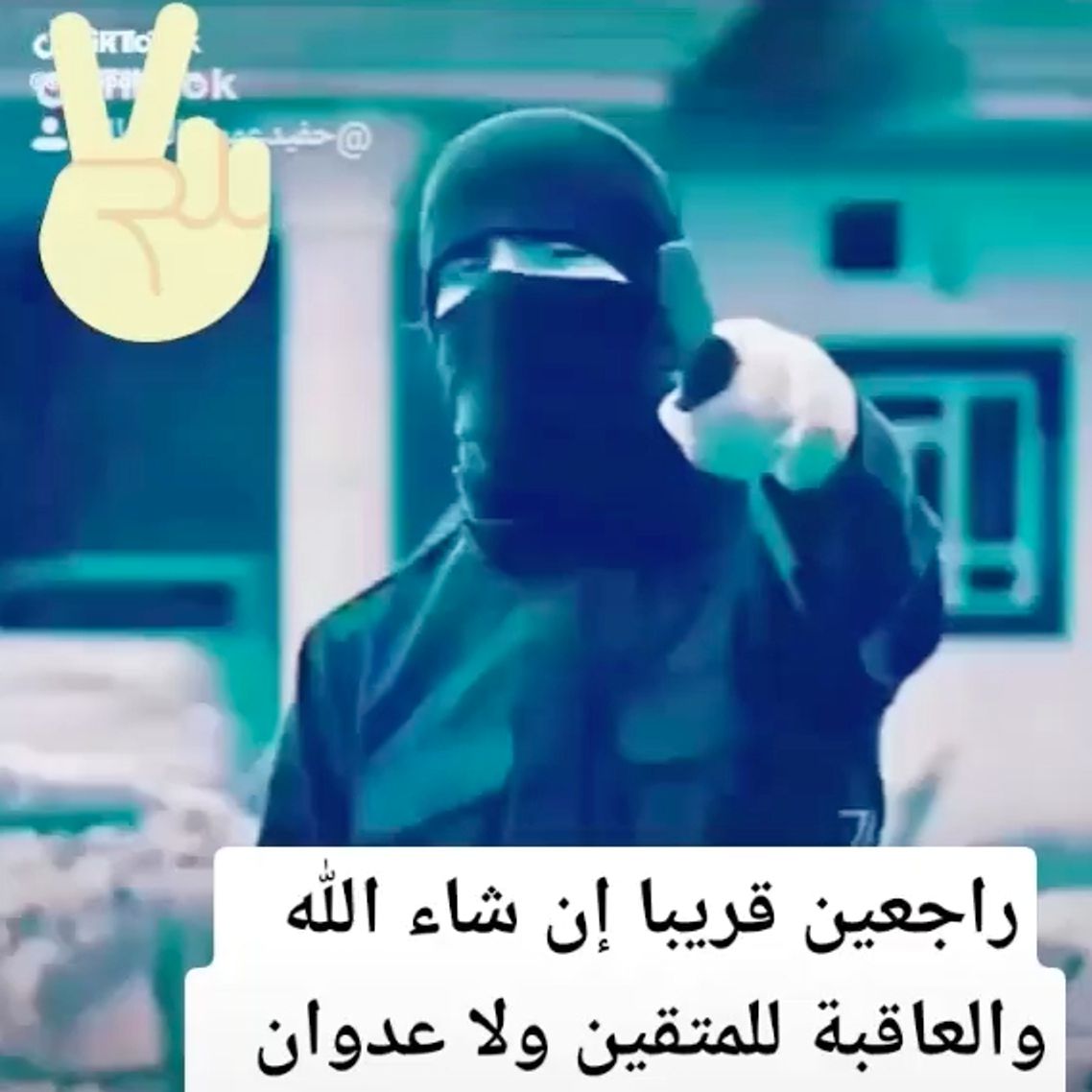 Videos, since removed, represent challenge for app’s Beijing owner, Bytedance, which has hired thousands of moderators to curate content.
The videos—since removed, in line with the app’s policy—featured corpses paraded through streets, Islamic State fighters with guns, and women who call themselves “jihadist and proud.” Many were set to Islamic State songs. Some included TikTok filters, or images, of stars and hearts that stream across the screen in an apparent attempt to resonate with young people.
The posts from approximately two dozen accounts, identified by social-media intelligence company Storyful, appeared to target TikTok’s users as part of a new show of strength—and possible enlistment tool—as U.S. troops withdraw from Syria. Islamic State has focused on online propaganda since its inception, including using social media to spread its message, setting it apart from other jihadist groups.
The extremist content marks a new challenge for TikTok. The app, owned by Beijing-based Bytedance Ltd., features short videos that started becoming popular in the U.S. in 2018 and has been embraced by teens. It was the third-most installed app world-wide in the first quarter, behind Facebook Inc.’s WhatsApp and Messenger, and about 30% of users are under the age of 18, according to internal TikTok documents viewed by the Journal.
To maintain its culture of light-hearted fun, TikTok has invested in advanced algorithms that people familiar with the matter say can detect many types of harmful content. TikTok has also hired thousands of content moderators in China, the U.S. and elsewhere to curate what ends up on the app.
The company’s rules prohibit terrorist and criminal organizations from using TikTok. “DO NOT use TikTok to promote and support these organizations,” the company says in its guidelines. The videos promoting Islamic State show that enforcing the guidelines proves difficult.
“This is an industry-wide challenge complicated by bad actors who actively seek to circumvent protective measures, but we have a team dedicated to aggressively protecting against malicious behavior on TikTok,” a spokeswoman for TikTok said.
Less extreme content now poses a bigger challenge for Facebook, Twitter and YouTube. Those companies are struggling at times with how to decide when to remove messages that promote conspiracy theories, racist tropes and other hateful or misleading content.
When those companies leave such posts on their sites, users charge them with facilitating harassment and abuse; other users charge the companies with censorship when the content is removed.
See the full story here: https://www.wsj.com/articles/islamic-state-turns-to-teen-friendly-tiktok-adorning-posts-with-pink-hearts-11571680389