AI can now read emotions—but should it?
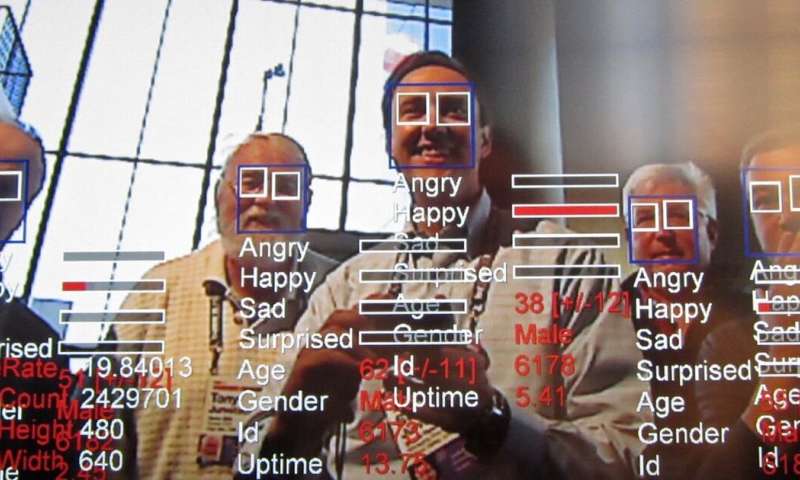 The report released by AI Now sheds light on some ways in which AI is being applied to the workforce in order to evaluate worker productivity and even as early as at the interview stage. Analyzing footage from interviews, especially for remote job-seekers, is already underway. If managers can get a sense of their subordinates' emotions from interview to evaluation, decision-making regarding other employment matters such as raises, promotions or assignments might end up being influenced by that information. But there are many other ways that this technology could be used.
Why the worry
These types of systems almost always have fairness, accountability, transparency and ethical ("FATE") flaws baked into their pattern-matching. For example, one study found that facial recognition algorithms rated faces of black people as angrier than white faces, even when they were smiling.
As the AI Now report highlights: "Despite the increase in AI ethics content … ethical principles and statements rarely focus on how AI ethics can be implemented and whether they're effective." It notes that such AI ethics statements largely ignore questions of how, where, and who will put such guidelines into operation.
There are useful applications however, for instance in helping spot warning signs to prevent youth suicide and detecting drunk drivers. That's one reason why even concerned researchers, regulators and citizens have generally stopped short of calling for blanket bans on AI-related technologies.
It's also well-known that humans tend to trust these systems more than other authority figures.
See the full story here: https://techxplore.com/news/2020-01-ai-emotionsbut.html?fbclid=IwAR3_G9XcmtctRqcGVunM46jHjPaw_ZRbGx-tfFUhGYgCqN8yZghrn-EGDEg
The photo is of Steve Jurvetson and his dad. He posted this on Facebook;
It reminds me of Yuval Noah Harari’s warning in 21 Lessons for the 21st Century: “AI is now beginning to outperform humans in the understanding of human emotions. In particular, AI can be better at jobs that demand intuitions about other people.
Feelings guide not just voters but their leaders as well. This reliance on the heart might prove to be the Achilles’ heel of liberal democracy. For once somebody (whether in Beijing or San Francisco) gains the technological ability to hack and manipulate the human heart, democratic politics will mutate into an emotional puppet show.”