KrattAI: Estonia’s National Artificial Intelligence Strategy
 In Estonia, there are around 30 Artificial Intelligence (AI) solutions deployed in the Estonian public sector that were identified as active as of the beginning of June 2020. The Baltic nation aims to have at least 50 AI use cases by the end of 2020.
... all part of e-Estonia.
But, how did Estonia, a small Baltic nation in Northern Europe, led by a female president, managed to be recognized as the most advanced digital society on the planet?
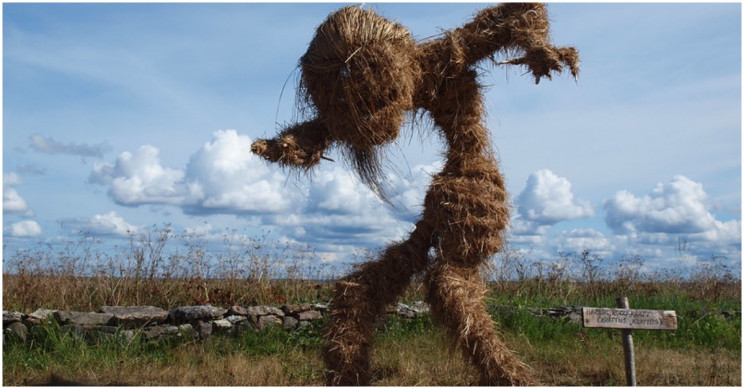
In Estonian mythology, a Kratt is a magical creature. A Kratt is a creature brought to life from hay or metal household objects, and it is animated by a human soul. Essentially, the Kratt was a servant made by its maker out of hay or old household items to help with tasks. The Estonian government uses this character as a metaphor for Artificial Intelligence and its complexities.
"A Kratt is a living being consisting of various objects. An interesting caveat is that you have to keep the Kratt busy. If you don't keep it occupied, it will focus all of its ability on attacking its owner. So, giving the Kratt lots of tasks is essential, the harder the better. And to complete the parallels with reality, the only way to get rid of the Kratt in its entirety is to give it impossible tasks. A very nice series of analogies for technology, if you ask me," Florian Marcus told me.
Suve: The Estonian chatbot for digital public services
The Suve chatbot is a relatively new addition to Estonia's digital services. Suve was an idea that came from the Hack the Crisis hackathon, which was organized by Garage48 and Accelerate Estonia.
The hackathon was organized to beat the global pandemic affecting Estonia. "Startup-government collaboration is in the DNA of our Estonian digital society," President of Estonia, Kersti Kaljulaid said.
Hack the Crisis is a global community that centralizes all the local events and information to participate in the online hackathons. The startups believe that the power of community has the power to fight and beat the pandemic. To achieve this, and after their local success, they also organize events to help countries around the world.
Estonia counts with approximately 1,000 startups, which positions the country among the top countries with more startups per capita. According to a study by Index Ventures in late 2018, Estonia is the best in the world in terms of startup regulation.
"Imagine you’re in a foreign country, pregnant, and you feel you’re about to go into labour. Wouldn’t it be great to just tell Siri or your Google Assistant that you’re about to have a baby, and in the background, the AI calls an ambulance to your location, forwards your medical data to the nearest hospital, alerts the Estonian embassy in that country, creates a new electronic ID for your baby, and also starts child benefit payments? Then, the voice assistant calmly informs you that everything has been sorted out and that the ambulance will reach your location in two minutes. This is amazing," says Marcus.
If you are thinking that the above has been taken from a science fiction book or movie, think again. Because it is exactly what the Estonian government is working on right now as you are reading this.
See the full story here: https://interestingengineering.com/krattai-estonias-national-artificial-intelligence-strategy