Thought-detection: AI has infiltrated our last bastion of privacy
Research published last week from Queen Mary University in London describes an application of a deep neural network that can determine a person’s emotional state by analyzing wireless signalsthat are used like radar. In this research, participants in the study watched a video while radio signals were sent towards them and measured when they bounced back. Analysis of body movements revealed “hidden” information about an individual’s heart and breathing rates. From these findings, the algorithm can determine one of four basic emotion types: anger, sadness, joy, and pleasure. The researchers proposed this work could help with the management of health and wellbeing and be used to perform tasks like detecting depressive states.
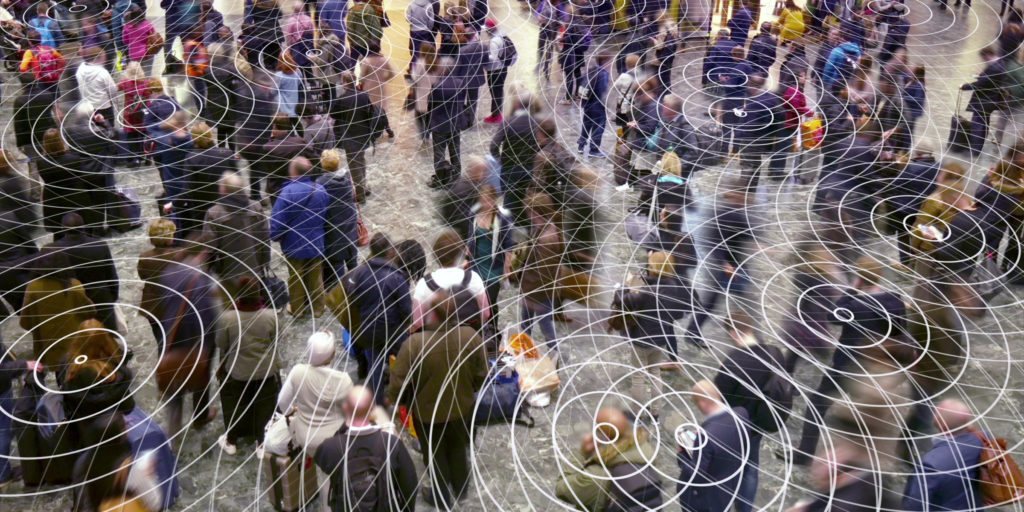
Ahsan Noor Khan, a PhD student and first author of the study, said: “We’re now looking to investigate how we could use low-cost existing systems, such as Wi-Fi routers, to detect emotions of a large number of people gathered, for instance in an office or work environment.” Among other things, this could be useful for HR departments to assess how new policies introduced in a meeting are being received, regardless of what the recipients might say. Outside of an office, police could use this technology to look for emotional changes in a crowd that might lead to violence.
The research team plans to examine public acceptance and ethical concerns around the use of this technology.
See the full story here: https://venturebeat.com/2021/02/13/thought-detection-ai-has-infiltrated-our-last-bastion-of-privacy/