Artificial intelligence unlocks a mystery behind a 2,000-year-old Dead Sea Scroll
In a new study, researchers at the University of Gronigen’s Qumran Institute have put together a robust investigation into the palaeography – the study of old handwriting – of one of the scrolls.
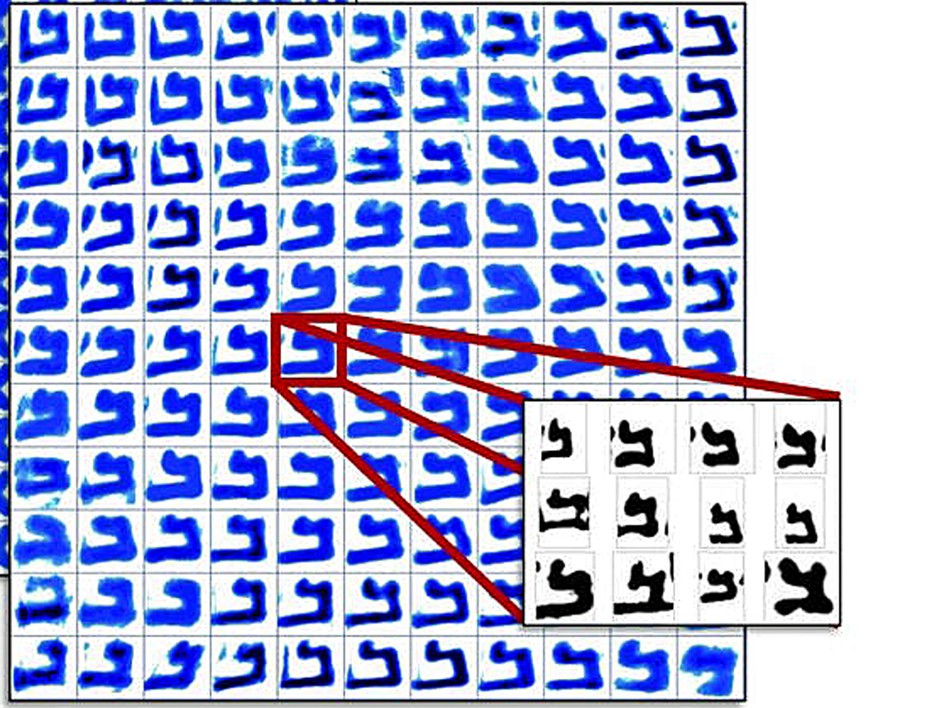
The authors trained an algorithm to separate the ink from its background, the leather or the papyrus of the scroll. Then, the algorithm studied every character, looking for small changes that might signal a different writer. This kind of algorithmic technology, shown in the image below, has started to be used in biblical studies, and the wider digital humanities, in just the last few years.
...suggesting there were perhaps teams of scribes who worked together on the Dead Sea Scrolls, with some working as apprentices to the more senior members.
A different scribe is not the only possible explanation, however. The authors note that a change of pen, the sharpening of a nib, a change in writing conditions or in the health of the scribe could contribute to the difference they found. Still, the difference seems pretty clear, and a change of scribe is the most likely conclusion.
See the full story here: https://nationalpost.com/news/world/artificial-intelligence-unlocks-a-mystery-behind-a-2000-year-old-dead-sea-scroll