Digital mapmaking innovations are revolutionizing travel
...
The great indoors
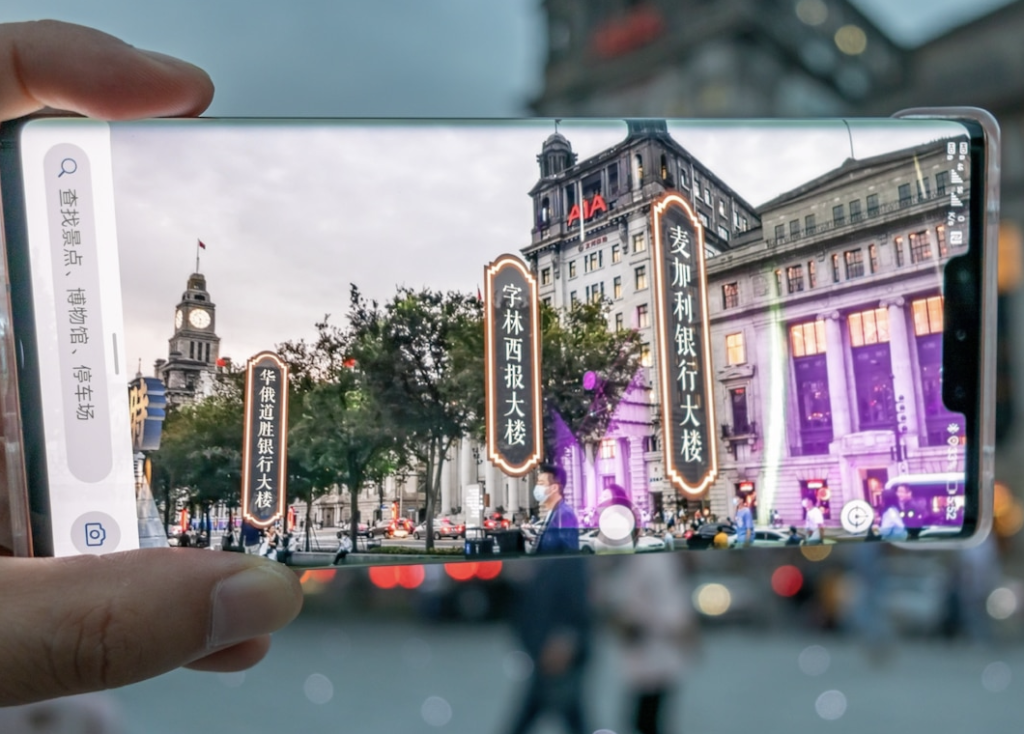
While radio waves are helpful, the biggest advances in indoor navigation may come from visible light. Smart phones will use their cameras and machine learning to interpret scenes, essentially becoming a substitute for the human eye and brain.
Google has already implemented just such a system with its “Live View” feature, which is available in the Zurich, Switzerland airport, some Japanese malls, and Australian transit stations. ...
Under the sea
Even with these advances, one major navigation dead zone remains: anything that’s under the surface of deep water. ...
Bivol’s company has come up with a small-scale solution to that problem. The DiveNET GPS system (which costs between $5,000 and $15,000) includes four buoys that, when deployed by a dive boat, commutate with GPS satellites to locate themselves, and then use sonar to track divers within about a one-mile range. The divers wear receivers that show them, in real time, where the other members of their group are, where the dive boat is, and points of interest on the ocean floor. “In the future, you might even have an underwater drone videotape your dive for you,” Bivol says.
See the full story here: https://www.nationalgeographic.com/travel/article/digital-mapmaking-innovations-are-revolutionizing-travel?loggedin=true