Inside the secret world of U.S. intelligence with Stanford scholar Amy Zegart
“Spy-themed entertainment has become adult education and appears to be influencing how Americans think about hot-button intelligence issues,” said Zegart, a senior scholar at the Freeman Spogli Institute for International Studies (FSI) and the Morris Arnold and Nona Jean Cox Senior Fellow at the Hoover Institution.
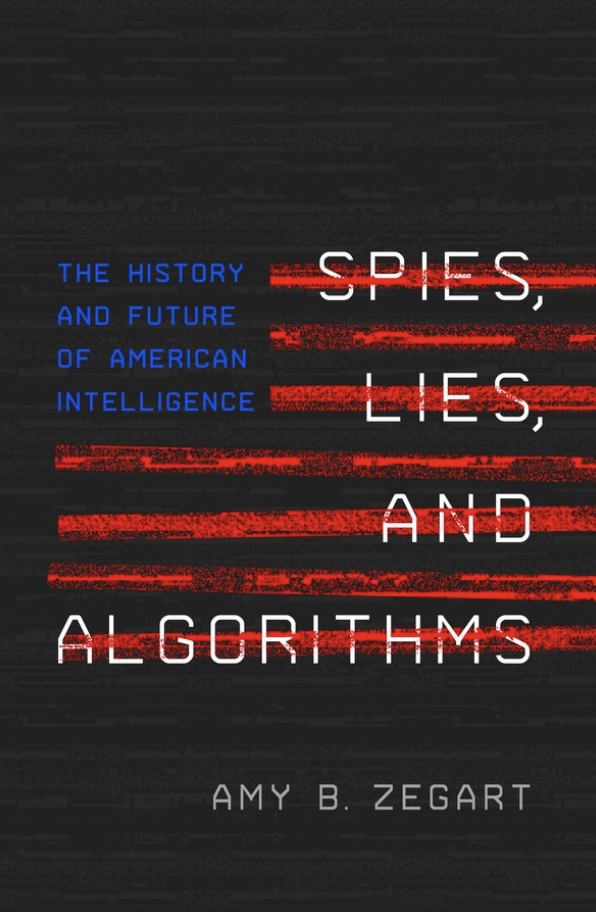
In Spies, Lies, and Algorithms: The History and Future of American Intelligence (Princeton University Press, 2022), Zegart also traces how American espionage has evolved over the centuries and what’s at stake in its future as technology rapidly changes and transforms all aspects of government and society. ...
When Zegart showed up to teach on the first day of her class, she expected protestors outside her classroom and empty seats inside. Instead, it was standing room only, with students eager to learn more about U.S. intelligence, Zegart recalled. ...
Zegart found that those who watched the TV show 24 – which frequently depicted the use of violence and torture to extract information from terror suspects – were statistically more likely to approve of waterboarding and justify other extreme forms of counterterrorism methods, like rendition, than those who didn’t tune in to spy-themed dramas. ...
Over the following years, Zegart has seen a similar lack of understanding among policymakers about how intelligence agencies operate. For example, in 2009 during the confirmation hearings for Leon Panetta to become the next director of the CIA, Zegart noticed members of the Senate Intelligence Committee using 24plotlines in the questions they posed to the nominee. ...
Understanding intelligence in a digital age ...
Intelligence is no longer shrouded in classified files at Langley; it’s found online in public spaces like Google Earth, where anyone can uncover government secrets hidden in plain sight. For example, thanks to the thousands of satellite images readily available, Stanford scholars – not special agents with security clearances – were able to sleuth out nuclear programs in Iran and North Korea. ...
When Russia invaded Ukraine in 2014, the most important intelligence about the annexation didn’t come from classified information, it came from selfies that Russian soldiers posted on social media with Ukrainian highway signs in the background, she pointed out. ...
Simultaneously, intelligence agencies themselves have also had to balance the advantages and disadvantages that new technologies, like artificial intelligence, quantum computing and social media, offer in gathering intelligence around the world. ...
“It’s an unnatural act for secret agencies to be public, but it’s really important for the American people to understand what they do,” Zegart said.
See the full story here: https://news.stanford.edu/2022/01/31/inside-secret-world-u-s-intelligence/