The Boneyard Principle: Why the Next Big Thing will Emerge from a Failed Idea
... Why do some consumer social products finally make it big after a series of misses? Part of the magic often hides within UX details — particularly, those that help people make fewer decisions and take fewer risks. The more opinionated an app is about how it should be used, the easier it is for users to act without fear of rejection. Products benefit from giving people the plausible deniability to say: “I’m not seeking attention, I’m just doing what this app tells me to do!” ...
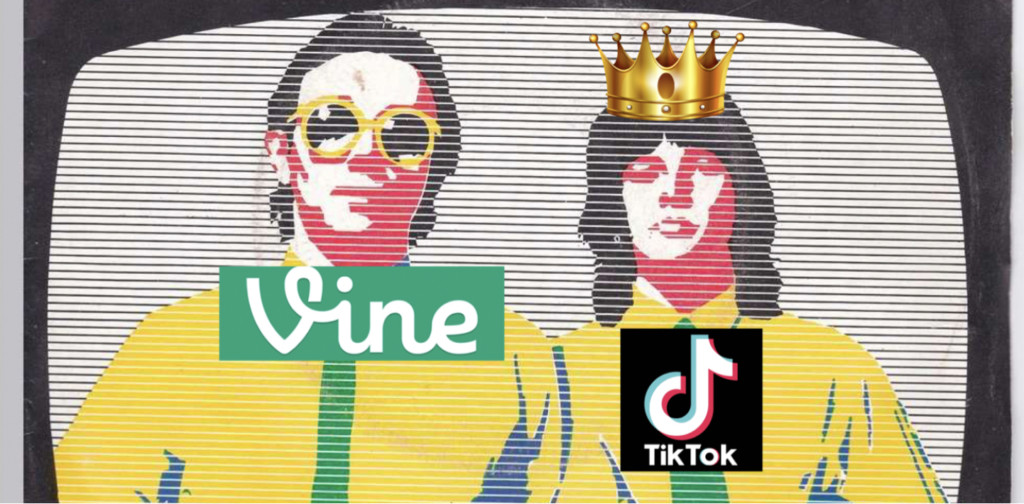
Vine's UX placed an enormous amount of decision-making baggage upon users. TikTok, on the other hand, gave users just one easy option: open the app and watch entertaining videos. ...
Just as importantly, the app helped new creators—even those without followers!—get attention for their videos, lessening their fear of rejection. When a creator posted a video, TikTok showed it to a sample audience and then expanded to bigger targeted audiences if it did well—a form of a recursive publishing feedback loop. ...
See the full story here: https://every.to/p/the-boneyard-principle?fbclid=IwAR2ZNSSz_-jHlLAwaN-5VG5QiDC3OiSNZdQedDW43XnNDjkfjZzknu0hvIg