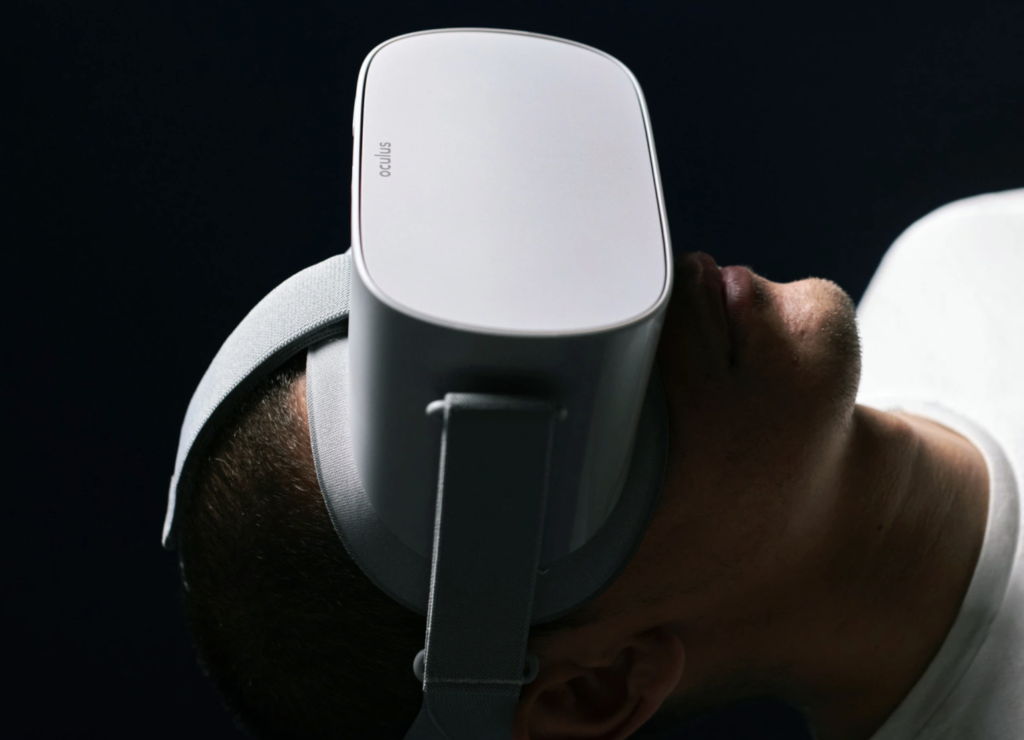
Patients immersed in virtual reality during surgery may need less anesthetic
A team of researchers at Beth Israel Deaconess Medical Center in Boston split 34 patients undergoing elective hand surgery into two equal-size groups. One group was given a VR headset and offered a range of relaxing immersive programs to view during surgery, while the other went without. The VR programs included 360-degree views of a peaceful meadow, mountaintop, or forest; guided meditation; or videos played against the backdrop of a starry sky.
The VR group requested significantly lower levels of the sedative propofol—in this case used to numb the pain in the hand— than the non-VR group. They received 125.3 milligrams per hour, in comparison to an average of 750.6 milligrams per hour during the study, described in PLoS ONE. The VR group also left the post-anesthesia recovery unit more quickly, spending an average of 63 minutes versus 75 minutes for the non-VR group. ...
See the full story here: https://www.technologyreview.com/2022/09/21/1059869/patients-virtual-reality-surgery-anesthetic/