Lytro, Google Glass and the elephant in the room
... Warren Craddock worked at Lytro from August 2011 to June 2013, before the XR phase. On Twitter, he recounts a key problem with Lytro’s light-field technology: the cameras could physically photograph only tiny objects, such as a single piece of sushi. But people prefer to photograph other people.
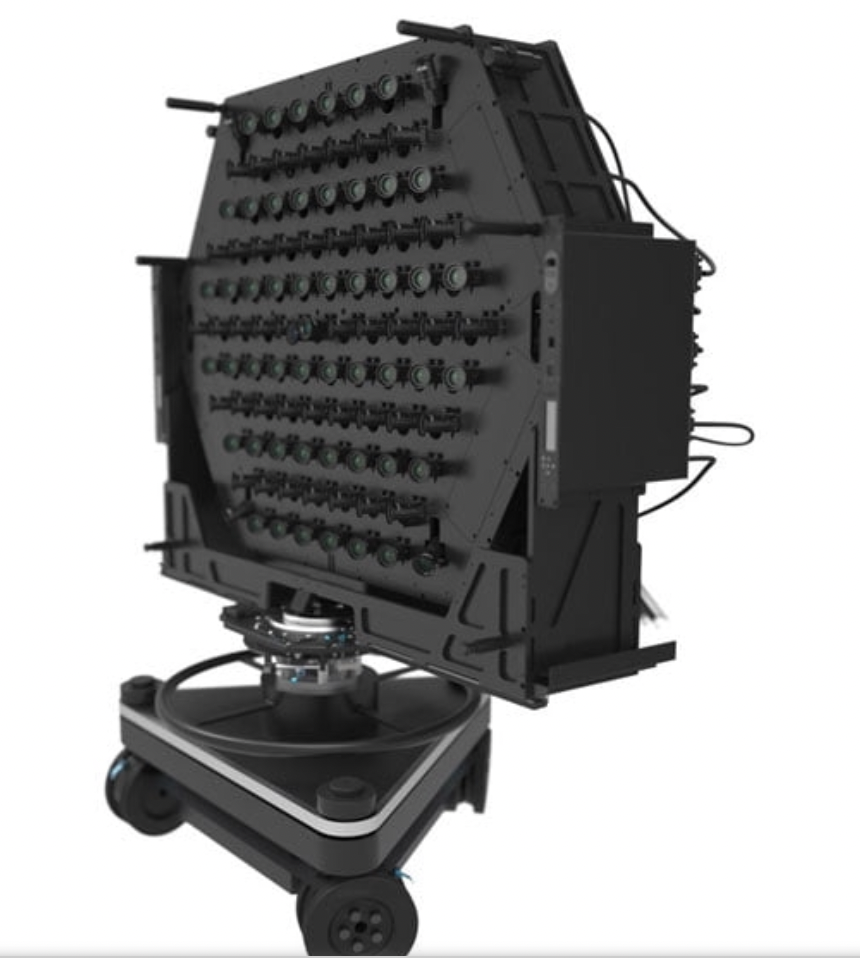
So as it refocused on XR, Lytro began building bigger, heavier cameras to capture larger scenes and objects as light field. In the process, the cameras became so large and heavy that they had to be moved to the location by crane. A fundamental issue, according to Craddock, that the team was aware of but ignored for years.
“Everyone knew, deep-down, that middle-school geometry doomed the design, but everyone also fervently believed that it could somehow be overcome by sheer will, or hard work, or a stroke of genius,” Craddock writes.
Craddock sees this behavior as a recurring problem in cultures that arise around products, methods, or inventions: Discussions about fatal flaws would be excluded. Instead, sophisticated ways to paper over them evolved, becoming more sophisticated over time. ...
Craddock experienced this phenomenon two more times in his career. After leaving Lytro, he hired on at Google in June 2013 to work on Google Glass, specifically on the design of the camera. ...
Craddock hit it a third time, with the AI-controlled automatic camera Google Clips. Here, the problem, according to Craddock, was that Clips took pictures from odd angles, but people preferred photos of other people at eye level. ...
See the full story here: https://mixed-news.com/en/lytro-google-glass-and-the-elephant-in-the-room/https://mixed-news.com/en/lytro-google-glass-and-the-elephant-in-the-room/