Virtual reality app puts you at the scene of Trayvon Martin’s shooting
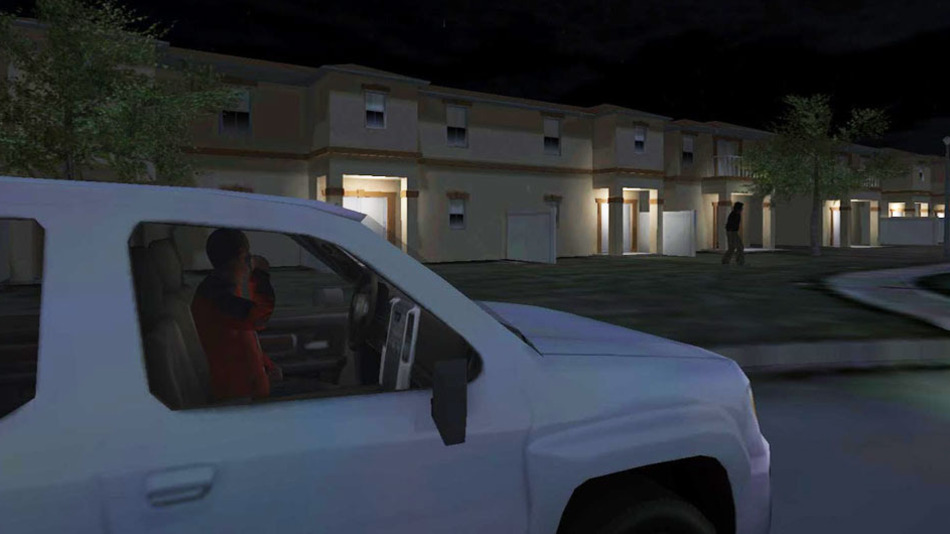 Using the audio files of real 911 calls, architectural drawings of the area and witness testimony from the subsequent trial of Zimmerman, who was found not guilty of second-degree murder in 2013, the VR experience is disturbingly effective in transmitting what being at the scene of the incident might have felt like.
Such a chilling, VR-powered reenactment could be incredibly helpful to future jury pools and investigators, which raises the question: Why aren't such VR reenactments already a common tool for attorneys and investigators in such cases? Is VR prohibitively expensive and too technical to deploy for the many cases hinging on how an event is perceived? According to de la Peña, applying such a solution to current cases is absolutely viable.
"We built it in two weeks, with one person full-time and two people part-time," says de la Peña. "We actually used Mixamo Animations, so we didn’t actually record any new animations. [And] we got some of the models from different model houses."
See the full story here: http://mashable.com/2015/04/22/trayvon-martin-vr/