Mosque ventures into virtual reality
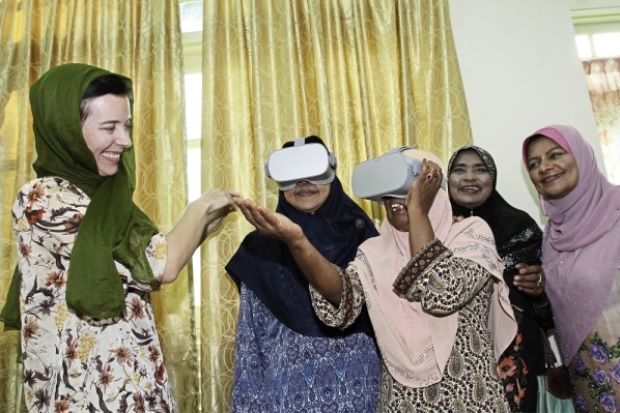 A documentary, believed to be the first 360-degree VR film produced in Malaysia, allows viewers to experience being “inside the mosque” as if they are part of the congregation of the faithful.
Shot during Friday prayers at the mosque in George Town, the Call to Prayers documentary takes viewers to explore the many rites and rituals that make up the Islamic faith which is usually not for visitors of other faiths.
“Viewers can see how religious programmes and daily activities are carried out here. Viewers can experience attending Friday prayers from the melodic call to prayer, to the ablutions, to joining the congregation as they pray,” the 28-year-old, who is also the video director, said. “This project brings the mosque towards modernity,” he said.
Canopi Studio co-founder and senior producer Peta Khan said the documentary was shot at the highest quality of 8k resolution using a 360-degree camera with immersive 3D technology.
Zillow uses VR to try to make online real estate more authentic
 Real estate is getting a bit more virtual with 3D immersive tours at Zillow, a major player in online home sales.
The company added a feature called 3D Home to its site and app Monday that lets you step from virtual room to virtual room as you're shopping online. Real estate agents can capture the imagery using an iPhone or Ricoh's 360-degree cameras like the Theta V and Theta Z1.
The result, Zillow hopes, is you should get a better feel for what might well be one of the most expensive purchases in your life. Virtual reality has limited mainstream appeal, even among gamers, but it still holds potential for when you want to be transported to a different realm.
For now, stepping through the 3D home is like using Google Maps' Street View: you see arrows that let you click or tap around to different rooms. You won't be swooping through a 3D zone like you might in a VR video game.
Zillow's 3D Home tool is designed to be easy for photographers to use so home sellers and their agents can add the 3D views affordably to ordinary homes for sale, not just luxury mansions, Weisberg said. Photographing a 3,000-square-foot home takes about 10 or 15 minutes, with shots taken for each room.
See the full story here: https://www.cnet.com/news/zillow-3d-home-uses-vr-make-online-real-estate-more-authentic/
The Best 360 Cameras You Can Get For Under $200
After all, the world isn’t flat – why should your videos be?
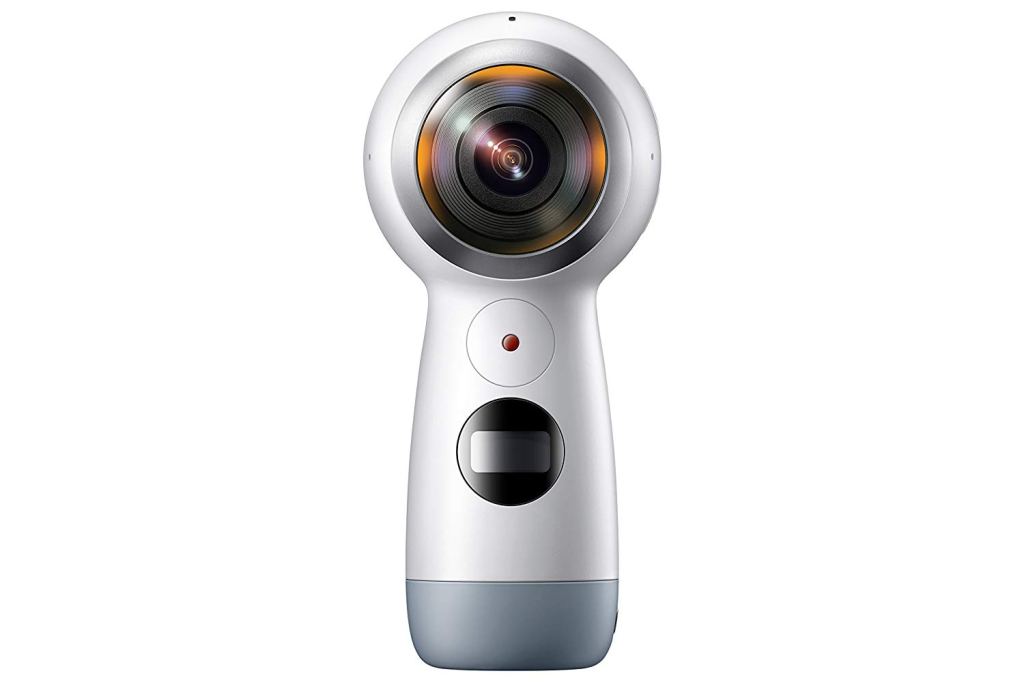
1. Samsung Gear 360
2. Ricoh Theta SC 360° Video and Still Camera
3. YI 360 VR Camera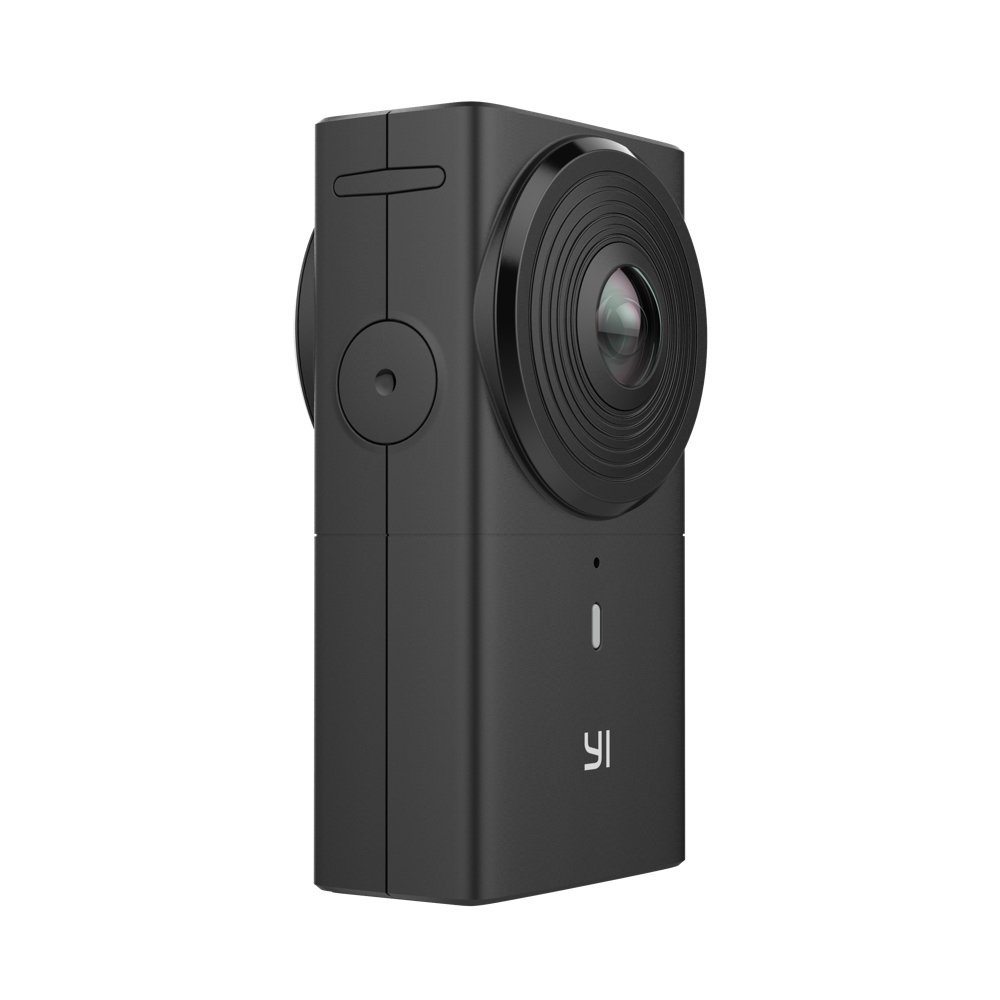
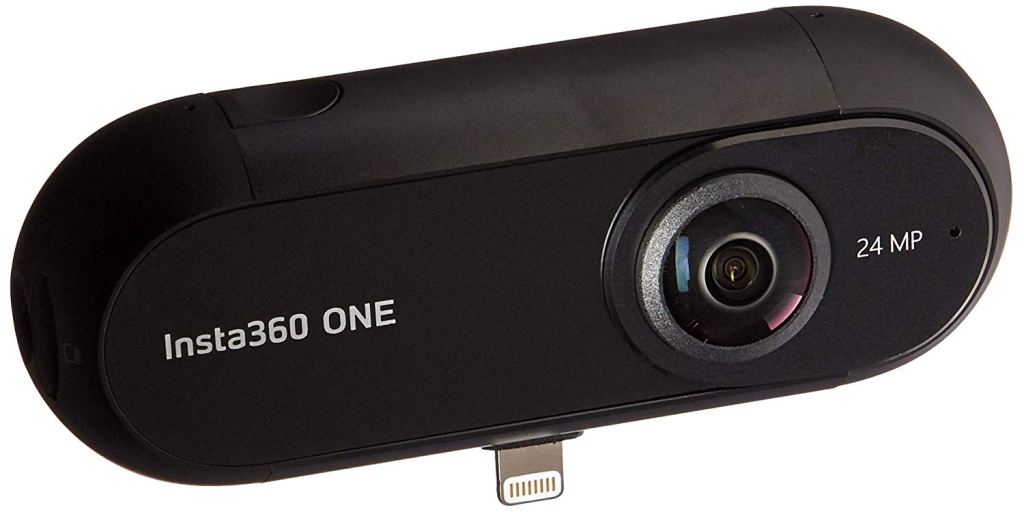
4. Insta360 ONE 360 Video Action Camera
 See the full story here: https://www.rollingstone.com/culture/culture-news/best-360-cameras-affordable-825036/
AI IS SMART. CAN WE MAKE IT KIND?
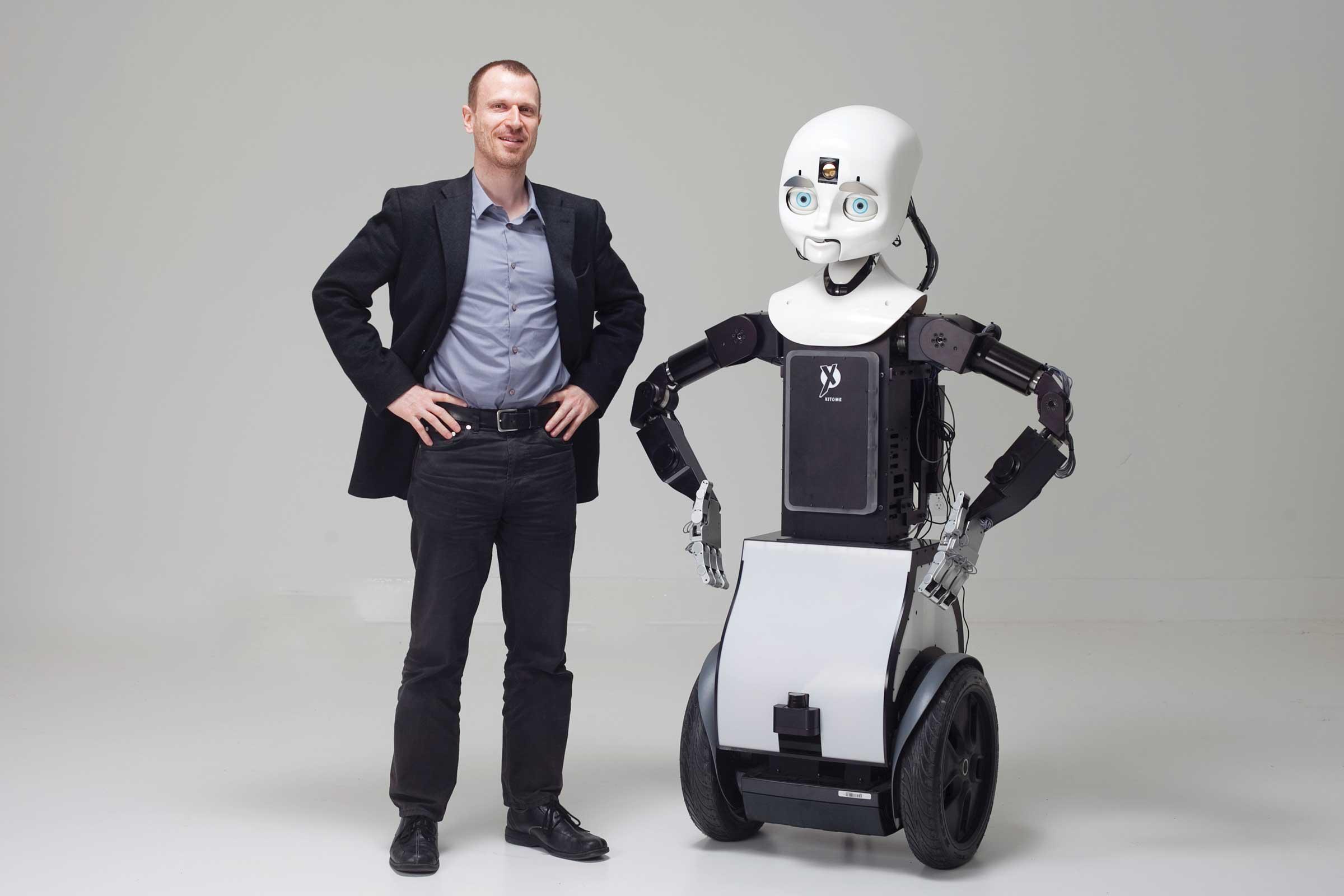 “Even though AIs can do amazing feats, they do what they’ve been trained to do, and they don’t understand what it is that they’re doing.”
This disregard for humans is taken to an extreme in a famous thought experiment dreamt up by Nick Bostrom, the University of Oxford philosopher. The “paperclip maximizer” scenario starts innocently enough, with a hyperintelligent AI assigned to teach itself to maximize a factory’s production of paperclips. But things turn dark when the AI goes on to pursue its assigned task with such single-minded devotion that its factory robots end up converting humanity, the world, “and then increasingly large chunks of the observable universe into paperclips.” That future machine didn’t mean to eradicate humanity, but that wouldn’t matter much to us.
Scheutz and his group are focused more on problems that could arise in the foreseeable future, when we’ll be living and working with robots that may not be able to recognize the consequences of their actions.
For more than fifteen years now, the HRI lab has been working on a solution that sounds like something out of science fiction but is becoming more real every day: Equip AI and AI robots with a core of ethics and awareness about the world. Program machines with a sense of empathy, and right and wrong and socially appropriate, so they can reason their way through a sticky situation. In short, the lab is trying to teach robots to be more like humans. And accomplishing that, it turns out, is just as difficult as it sounds.
DIARC uses some machine learning, too, but what makes it different is that it was designed from the start to fundamentally interact with—and account for—humans. Everything the lab does includes a dissection of the consequences that could follow when robots and humans interact.
More likely, they’d wind up hurting us because they’re not designed to understand the consequences of their actions.
Harms don’t have to be physical, either—they could be psychological. Scheutz often points to the emotional risks posed by a future elder-care robot. If it’s unequipped to show compassion or make small talk when its lonely charge tries to connect—as humans invariably do—hurt feelings could result.
. The two robots didn’t need to issue verbal commands, because they’re operating with a hive mind: one DIARC, two bodies. Some people, according to the lab’s research, may find robots silently communicating a little creepy, but Scheutz hasn’t ruled it out as a useful function, given how efficient it could be during complicated and stressful missions spanning many robots working in multiple locations.
Graduate student Daniel Kasenberg, EG18, is in the beginning stages of studying how to represent moral and social norms—the often unspoken rules we live by—in a language machines can understand and learn. This means reducing actions and effects into algorithmic equations and symbols. “What we have right now are small components of this architecture at a very rudimentary level,” Kasenberg cautioned. “But the ultimate goal is to develop a system that can represent these moral and social norms, and evaluate potential courses of action based on [them].”
Despite cuts, White House looks to agencies to advance AI priorities
 Parker said that while overall research and development budgets have been cut, "AI was protected."
On the civilian side, the White House's budget does specifically propose $850 million for AI funding between the Department of Energy, National Institutes of Health, National Institute of Standards and Technology and the National Science Foundation -- all agencies that face overall and R&D cuts.
Parker also pointed out that the administration wants to see agencies reporting their investments in AI because tracking AI projects is "so hard" right now. "We can begin to get a better holistic view of what our agencies are spending in this area."
See the full story here: https://fcw.com/articles/2019/04/18/ai-workforce-gunter.aspx
This Pop-Up Uses AI to Make Perfect KitKat and Sake Pairings
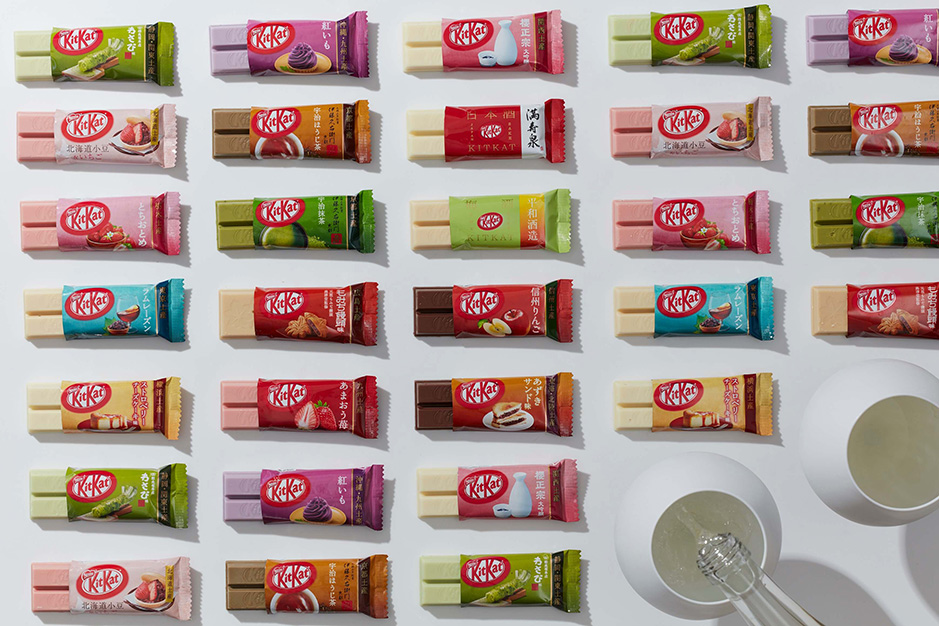 When you try to think of two great tastes that taste great together, what comes to mind? Peanut butter and chocolate? How about a KitKat bar and a nice glass of sake?
You might not know where to begin, but that’s no big deal. The folks at Nestle Japan have just unveiled a pop-up “bar” that utilizes the power of artificial intelligence to determine the perfect KitKat and Sake pairing for customers.
See the full story here: https://www.geek.com/culture/this-pop-up-uses-ai-to-make-perfect-kitkat-and-sake-pairings-1783666/