Yes, HTC is working on a ‘blockchain phone’
 So, what makes a phone a blockchain phone, exactly? Security and cryptocurrency support, mostly. According to HTC’s Exodus landing page, “Our vision is to expand the blockchain ecosystem by creating the world’s first phone dedicated to decentralized applications and security. With the release of the HTC Exodus we can now make this a reality.”
The Exodus will support Bitcoin and Ethereum, among others, courtesy of a universal wallet, secure hardware and decentralized apps. According to The Next Web, HTC has also outlined plans to create a native blockchain network, whereby cryptocurrency can be traded amongst Exodus users. Naturally, users will also be able to purchase the phone itself using cryptocurrency. That price and the release date, however, have yet to be revealed.
See the full story here; https://techcrunch.com/2018/05/15/yes-htc-is-working-on-a-blockchain-phone/?utm_medium=TCnewsletter
Amazon opens Sumerian 3D, AR, and VR creation tool to all developers
 Amazon has announced that Sumerian, a web-based tool leveraging Amazon services to create 3D, AR, and VR applications, is generally available as of today. The tool debuted in “limited preview” at AWS re:Invent last November.
Sumerian enables developers to construct “scenes” featuring interactive characters and environments that can be accessed across multiple platforms. Using a URL link to Amazon’s cloud, scenes can be viewed in browsers with WebGL or WebVR support, headsets such as HTC Vive and the Oculus Rift, plus iOS (ARKit) and Android (ARCore) devices.
The key to Sumerian’s developer appeal, Amazon notes, is that it “does not require any specialized programming or 3D graphics expertise,” instead using a web-based editor to create scenes and a visual scripting tool to chart how characters and objects will respond to users. Developers can also draw on Amazon’s Lex, Polly, AWS Lambda, AWS IoT, and Amazon DynamoDB services to power user-character interactions.
You’ll soon be able to use augmented reality to try on sneakers
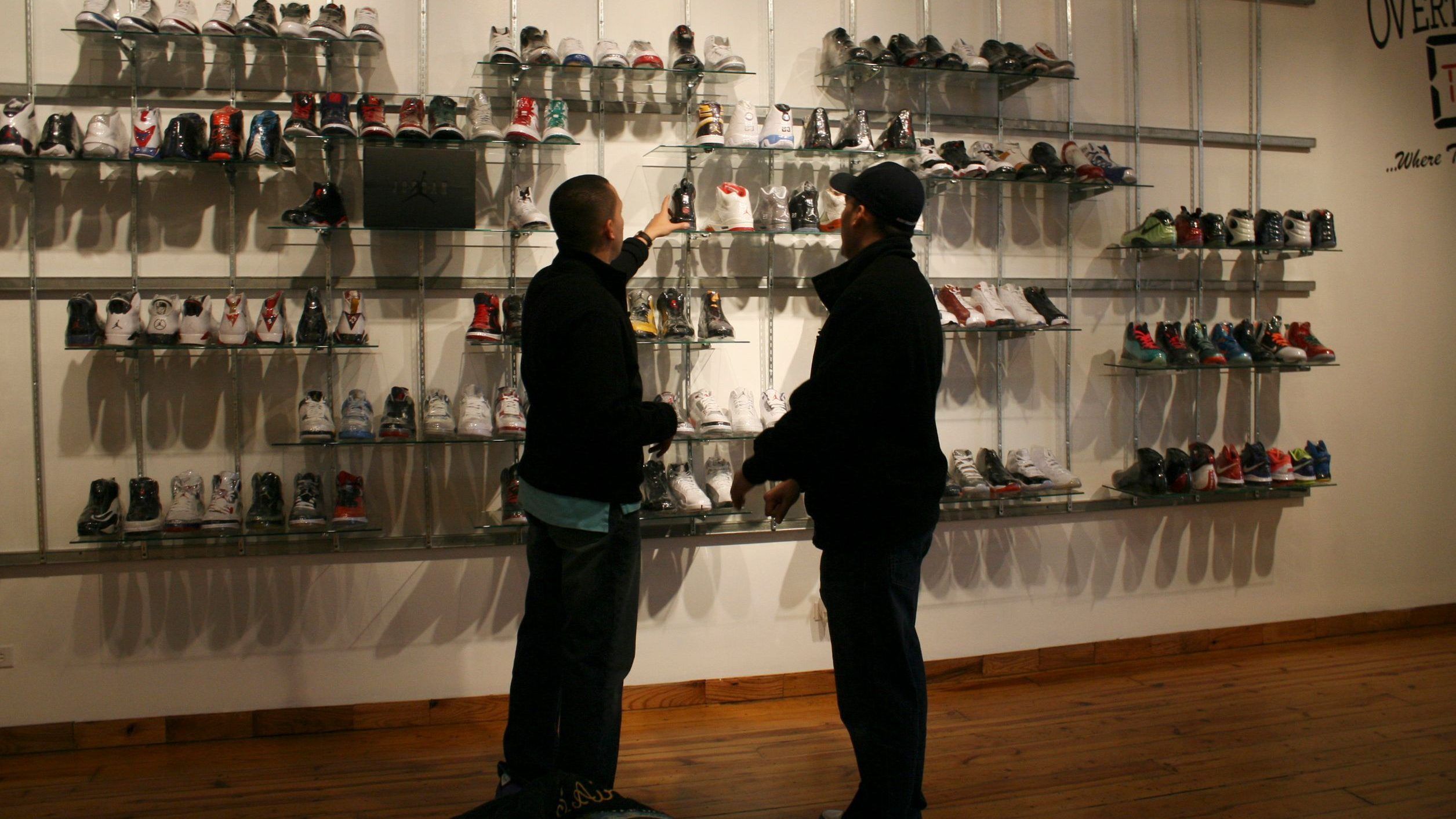 Augmented reality marketing startup Vyking is translating that buzz for sneakerheads, according to a video posted on the company’s Instagram. The video shows the ability to virtually try on a sneaker, so you can see how it’ll look on your foot before you buy the shoe online.
See the full story here: https://qz.com/1277466/a-startup-has-invented-an-augmented-reality-app-for-trying-on-shoes/
VRLA 2018 Highlights
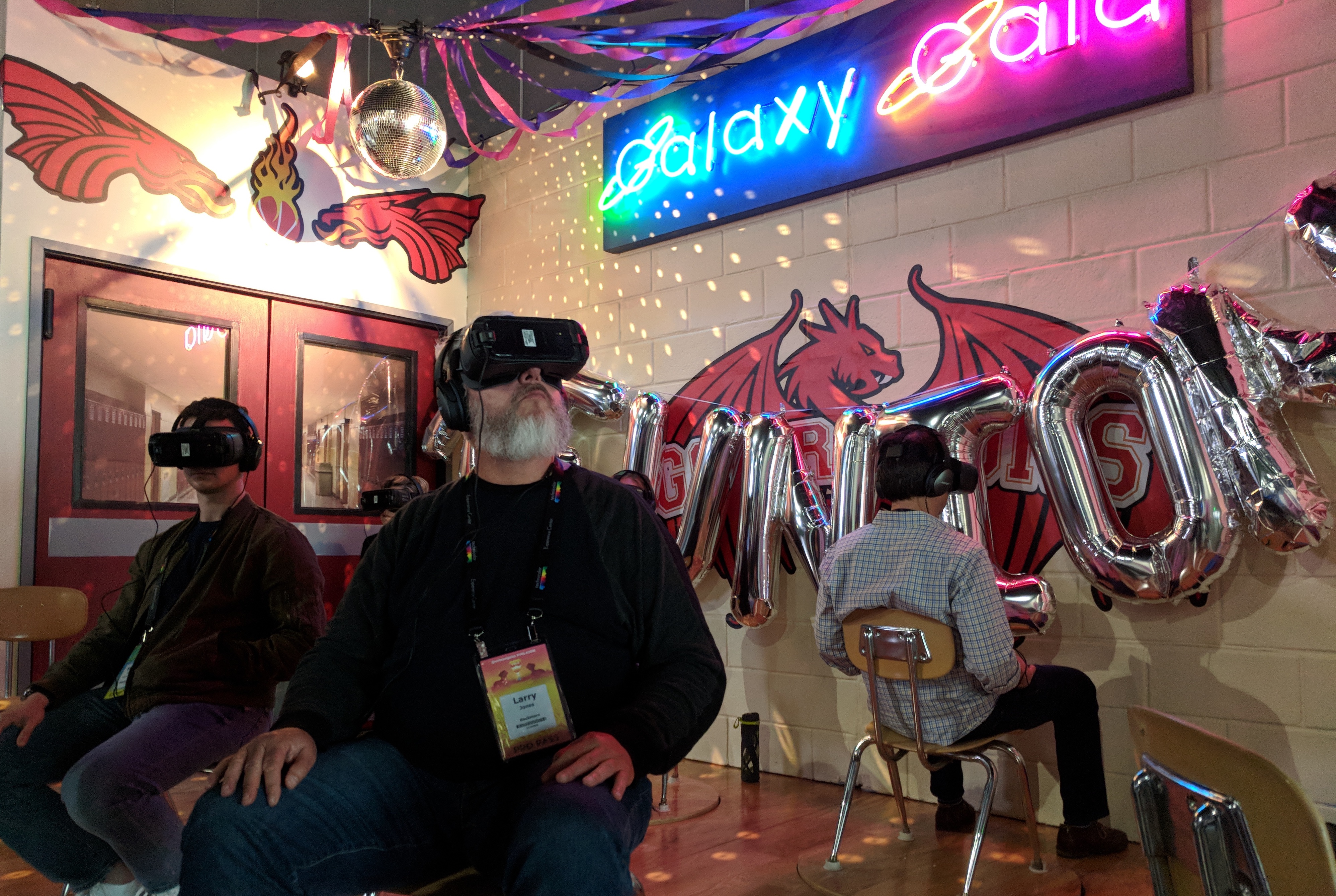 DOOR #1
Another comedic gem from the fine folks over at RYOT, DOOR #1 is a multinarrative 360-degree live action journey back to high school for a night of love, loss and maybe even some space travel. Users step into the shoes of a high school graduate returning to his old stomping grounds for his 10-year reunion.
Users have the chance to head down several different roads in this zany comedy, each leading to a unique outcome. Talk to your highschool sweetheart, or stick with your buddy? Accept a dance with an awkward aquantence from years past, or go smoke weed in the bathroom with the janitor?
The choice is up to you, leading to several outrageous endings from smoking weed with Snoop Dog (yes, the real Snoop Dog) as you travel the galaxy in search of adventure, to straight up dying. A witty script and a few cameos make this one of RYOT’s best pieces of content.
Disney World’s new monorails might include augmented reality windows
 He gives an example: When the monorail passes Spaceship Earth, the Epcot structure could be transformed into the Death Star from Star Wars with X-wing fighters flying around it. He also mentions that the technology would be able to recognize if it was a cloudy day and the augmented view would then include clouds.
See the full story here: https://www.orlandoweekly.com/Blogs/archives/2018/05/14/disney-worlds-new-monorails-might-include-augmented-reality-windows
VR’s next horizon: Retina displays right in front of your retinas
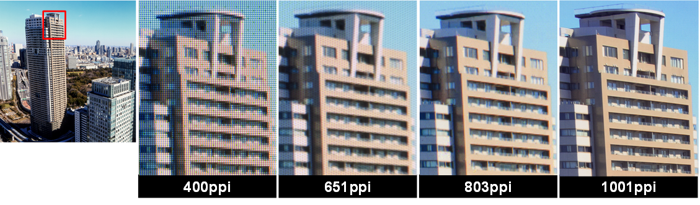 But the “Retina Display” concept is now only weeks away from taking a major step forward — because of screens that are being placed only an inch or two away from your actual retinas. Recent advances in technology are enabling screen makers to promise 1,000ppi and 2,000ppi displays for virtual reality headsets, and they should appear in public for the first time on May 22 at SID’s Display Week in Los Angeles.
If you can make the lens stronger while retaining clarity, you can make the screen smaller, which can reduce the size and weight of the VR headset as a whole.
That tradeoff — a bigger, clunkier VR headset or a smaller, lighter one — is why Sony’s joint venture Japan Display just disclosed that it created both 803ppi and 1001ppi screens for next-generation VR. It said explicitly that 1000ppi or greater screens, aided by new lenses, will be necessary to enable VR headsets to shrink.
Taiwan’s INT saysthat it’s developed an “ultra high pixel density” 2228ppi AMOLED for VR, but hasn’t provided any other specifications — the screen size, the refresh rate, colors, or overall resolution. And LG has co-developed a 4.3-inch, 18-megapixel 1443ppi OLED with Google for VR. All of these new screens will be shown off at Display Week. Apple has also been working on perfecting its own MicroLED screens, which could be used in future VR products.
So what does this all mean for VR?
Based on where screen technology is going, it’s safe to assume two major trends for VR over the next couple of years: Some headsets will just boast radically improved levels of detail, while others are going to get much sharper, smaller, and lighter at the same time. It’s fair to assume that companies will start trying to charge more for the smaller headsets, turning comfort into a “premium” feature, though realistically miniaturization rarely comes cheap.
The major limitation is going to be the pixel-pushing power of the computers connected to the headsets.
See the full story here: https://venturebeat.com/2018/05/13/vrs-next-horizon-retina-displays-right-in-front-of-your-retinas/
Google makes Ramadan on the Web easier
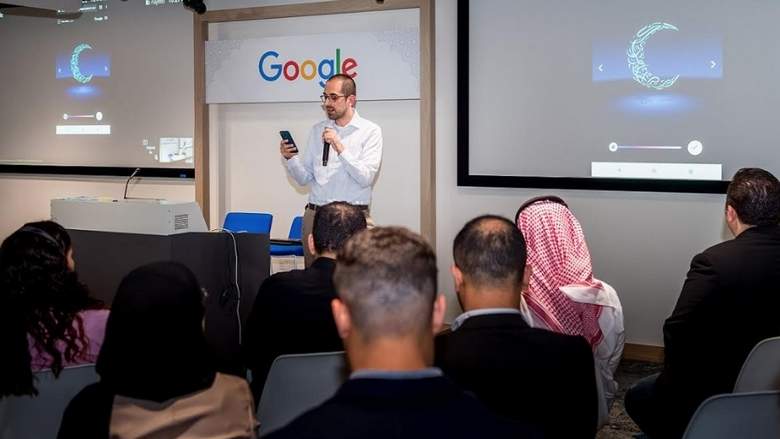 The Qibla Finder, an app launched last year that uses augmented reality on Android devices to identify the direction of the Qibla, will now be available even while offline. The update also allows Android users to add a shortcut to app on their home screen.
Qalam, Google's newest offering, is a browser app with which users can share greetings made from VR and calligraphy. Google worked with 9 world-renowned artists and calligraphists to create over 35 artworks which merge between virtual reality art and calligraphy.
"From augmented reality in Qibla Finder to virtual reality in Qalam, we brought Google's innovation to your fingertips this Ramadan," Jarrar added.
See the full story here: https://www.khaleejtimes.com/ramadan-2017/ramadan-news/search-is-over-google-makes-ramadan-on-the-web-easier