TikTok is rolling out longer videos to everyone
TikToks are about to get longer. The app is now rolling out the ability for everyone to publish videos up to three minutes in length, three times the existing one-minute limit.
TikTok didn’t say how longer clips might affect its much-loved recommendation algorithm. But it’s worth considering the possible parallels to YouTube: as the platform grew, YouTube biased its algorithm toward viewer retention, which meant longer and longer videos — it’s why just about everything on YouTube is over 10 minutes long now. TikTok may not take the same approach, but if it turns out that longer videos = longer TikTok usage, we might see less of the app’s short, snappy, and strange viral clips.
See the full story here: https://www.theverge.com/2021/7/1/22558856/tiktok-videos-three-minutes-length

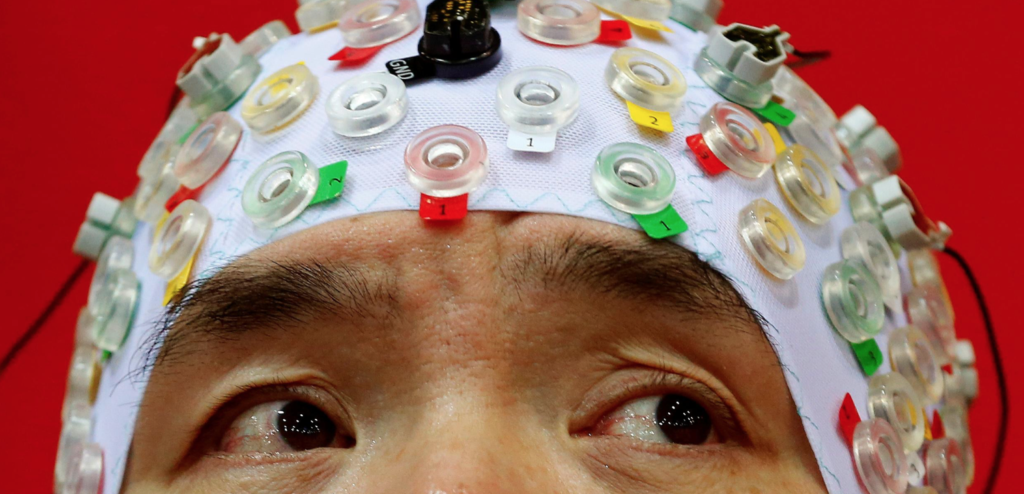
What Neuralink and other BCIs can and can’t do
...the prospect of using BCIs to not only heal injuries back to full functionality but to actively enhance human performance and cognition leads — as nearly all cutting edge technologies do — to a morass of ethical issues. Who gets access to the technology and when? Will having computers in our heads exacerbate existing societal inequality? How do we keep these machines secure from hacking attempts, and build public trust in a radically new form of biotechnology such as this?
See the full story here: https://www.engadget.com/what-neuralink-and-other-bc-is-can-and-cant-do-140014162.htmlhttps://www.engadget.com/what-neuralink-and-other-bc-is-can-and-cant-do-140014162.html
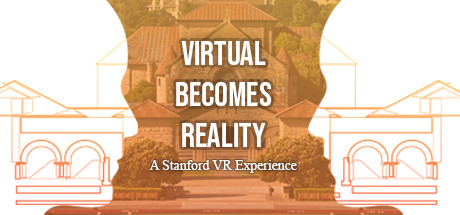
Stanford VR experiment library
Explore highlights of nearly two decades of research from Stanford's Virtual Human Interaction Lab and discover how we can use this medium to enhance our everyday lives.
Napster Group Embraces Heritage With New Brand and Membership Growth Campaign
Napster Group, which is live across 33 countries, was formed after Napster was acquired last year for $70 million by U.K. virtual reality company MelodyVR, which partners with music promoters such as Live Nation to stream concerts in 360-degree high definition virtual reality (VR).
According to its year-end figures, Napster Group, despite making an operating loss of more than $36 million (26 million pounds) for its last financial year alone, aims to launch a new brand identity and media campaign to grow its user base.

A beginner’s guide to AI: Policy
Artificial intelligence has traditionally been swept in with other technologies when it comes to policy and regulation.
That worked well in the days when algorithm-based tech was mostly used for data processing and crunching numbers. But the deep learning explosion that began around 2014 changed everything.
In the years since, we’ve seen the inception and mass adoption of privacy-smashing technologies such as virtual assistants, facial recognition, and online trackers.
Just a decade ago our biggest privacy concerns, as citizens, involved worrying about the government tracking us through our cell phone signals or snooping on our email.
Today, we know that AI trackers are following our every move online. Cameras record everything we do in public, even in our own neighborhoods, and there were at least 40 million smart speakers sold in Q4 of 2020 alone.
...
Putin, speaking to Russian students in 2017, said “whoever becomes the leader in this sphere will become the ruler of the world.”
...
The PRC intends on being the global leader in AI technology by 2030. It’s program to achieve this goal includes massive investments from the private sector, academia, and the government.
...
See the full article here: https://thenextweb.com/news/beginners-guide-to-artificial-intelligence-policy
How AI Is Taking Over Our Gadgets
[PhilNote: this is a really good short primer on AI at the edge and AI on board devices.]
Modern AI, which is primarily used to recognize patterns, can have difficulty coping with inputs outside of the data it was trained on. Operating in the real world only makes it tougher—just consider the classic example of a Tesla that brakes when it sees a stop sign on a billboard.
See the full story here: https://www.wsj.com/articles/how-ai-is-taking-over-our-gadgets-11624680004

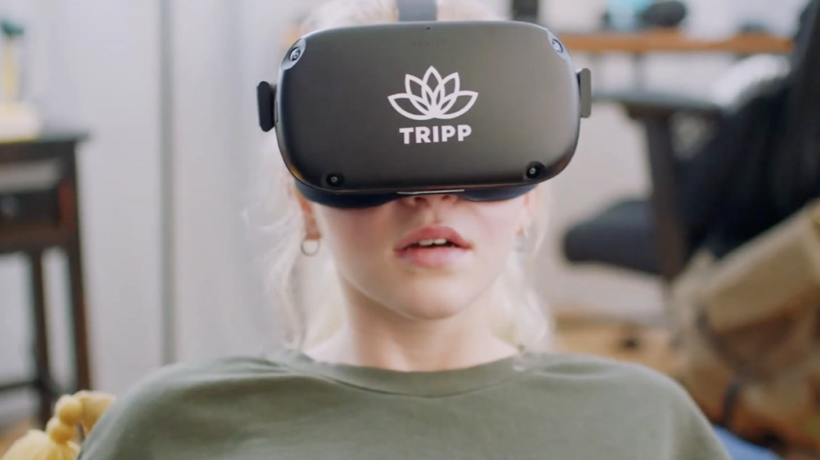
Psychedelic VR meditation startup Tripp raises $11 million Series A
As the name implies, there have been some efforts by the startup to create visuals and audio experiences that mimic the feelings people may have during a psychedelic trip — though doing so sans hallucinogens.
“Many people that will never feel comfortable taking a psychedelic, this is a low-friction alternative that can deliver some of that experience in a more benign way,” CEO Nanea Reeves tells TechCrunch. “The idea is to take mindfulness structures and video game mechanics together to see if we can actually hack the way that you feel.”
Tripp has apps on both the Oculus and PlayStation VR stores and subscription experiences that can be accessed for a $4.99 per month subscription.
See the full story here: https://techcrunch.com/2021/06/24/psychedelic-vr-meditation-startup-tripp-raises-11-million-series-a/