UNIVERSAL’S NEW $1.2BN MISSISSIPPI HOTEL TO BE COMPLETED IN 2023, WITH 12,000-CAP VENUE, HOLOGRAMS AND VIRTUAL REALITY ENTERTAINMENT
Construction on the $1.2 billion UMUSIC Broadwater hotel complex in Biloxi, Mississippi – the first of Universal Music Group’s recently announced “music-based experiential hotel properties” – will commence next year and will be completed in 2023.
UMUSIC Broadwater will also have a 12,000-capacity music venue.

UMUSIC Broadwater in Biloxi, Mississippi is first of three locations for the hotel series, with other locations to be announced for Atlanta, Georgia and Orlando, Florida. There are also plans for additional locations across the US and globally.
See the full story here: https://www.musicbusinessworldwide.com/universals-new-1-2bn-hotel-in-mississippi-to-be-completed-in-2023-with-12000-cap-venue-holograms-and-virtual-reality-entertainment/
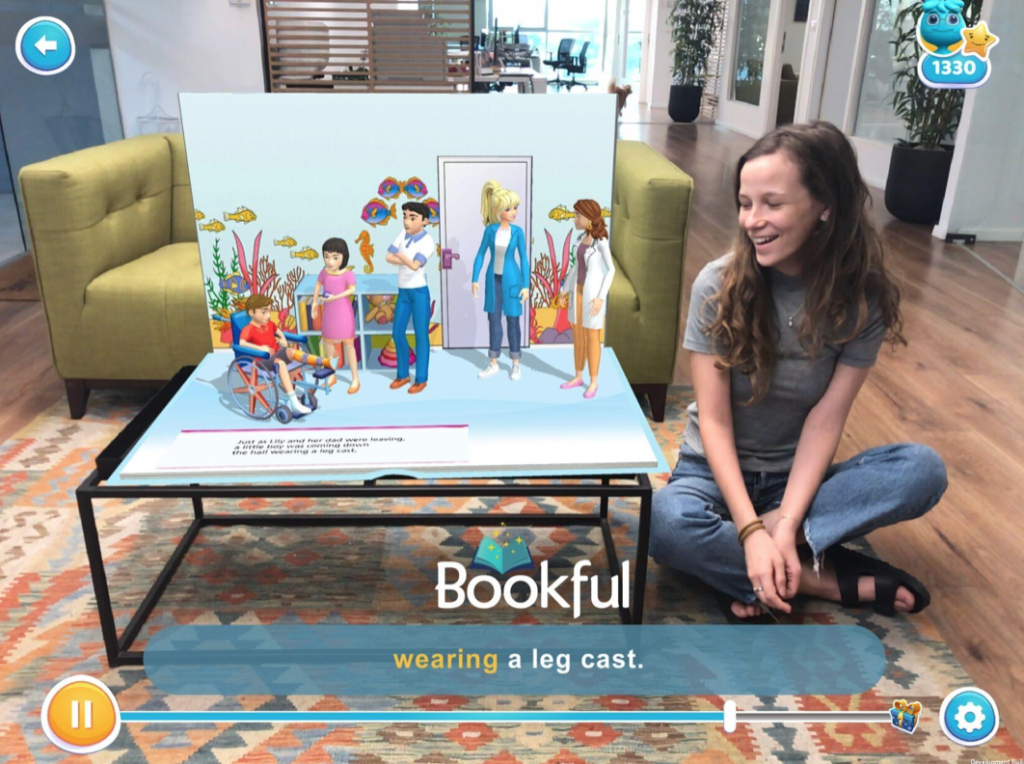
Bookful, World’s Largest Augmented Reality Library App, Welcomes Mattel’s Barbie® and Thomas & Friends™
It’s been more than half a century since the world was introduced to Barbie, the world's number 1 fashion doll. The iconic brand is so much more than a doll, with over 200 careers and counting, Barbie continues to inspire the limitless potential in every girl, and with new titles including Barbie: You Can Be a Doctor and You Can Be a Designer Bookful will empower young readers to bring to life Barbie’s ethos “You Can Be Anything”.
Thomas & Friends was created 75 years ago by Reverend Wilbert Awdry when he sought to entertain his young son, Christopher, while he was recovering from the measles. Today, Thomas is more than just an engine with hundreds of TV episodes, books, toys and even a theme park.
The Barbie and Thomas & Friends titles are joining Bookful’s library of top publishers and brands including Penguin Random House, Charlesbridge and DK.
Bookful by Inception brings children’s books to life with AR and 3D animations providing productive screen time while cultivating a love of reading and learning. With hundreds of books and educational games, Bookful is the world’s largest 3D/AR library.
See the full story here: https://www.valdostadailytimes.com/news/business/bookful-world-s-largest-augmented-reality-library-app-welcomes-mattel-s-barbie-and-thomas-friends/article_3b0f4eb1-2779-54b9-be87-6ec720a9d488.html
Meet the Man Who Wants to Reimagine Virtual Reality
I got to interview James Jensen, the CEO of JUMP, a virtual reality (VR) company designed for users to perform stunts with no training, parachuting, no cost for equipment, and no safety risks. As an amateur with no experience, expertise, or money to feel like virtual reality was accessible, Jensen dispelled my notions. Jensen has an objective for the virtual reality industry: to make it more accessible instead of having it mainly be perceived as an entertainment and video game tool:
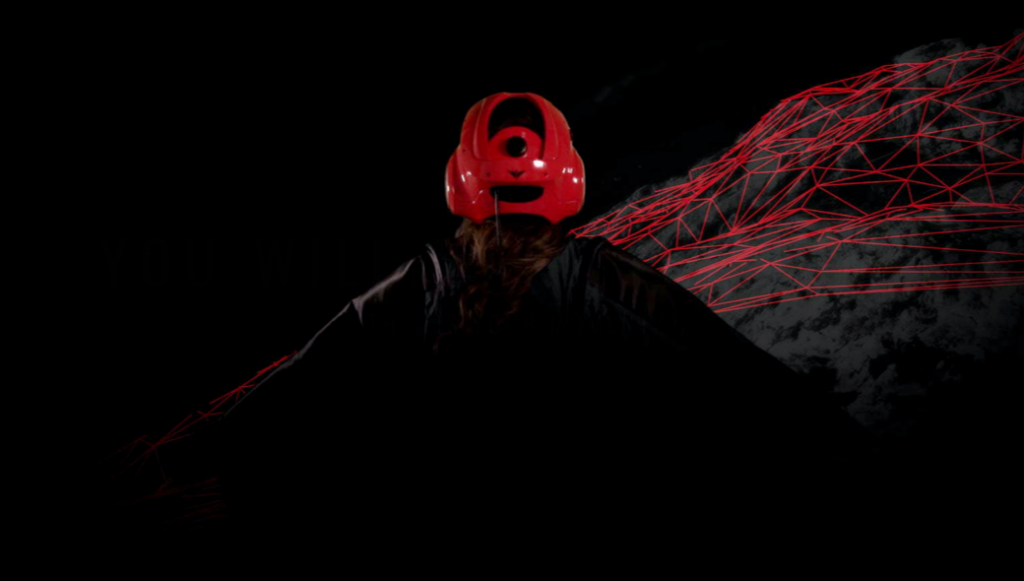
“I want people to know that hyperreality simulations are ways for us to learn new things to ourselves and to learn experiences that could influence our walking life,” Jensen told me.
See the full story here: https://medium.com/super-jump/meet-the-man-who-wants-to-reimagine-virtual-reality-353c9b9631ed
Kevin Williams: LBVR is not dead, it is rising again
... the reality of LBE VR post-COVID is a nuanced one. The industry has always had hygiene at the top of our needs, as with the bowling industry (shoes), the go-kart (helmets), and the 3D theater (glasses) regarding cleaning. The LBE VR scene is pushing the use of UV-C to great effect, and our cleaning protocols (such as the HOLOGATE Standard) are deployed to keep guests safe. Protocols that some in other industries are now copying.
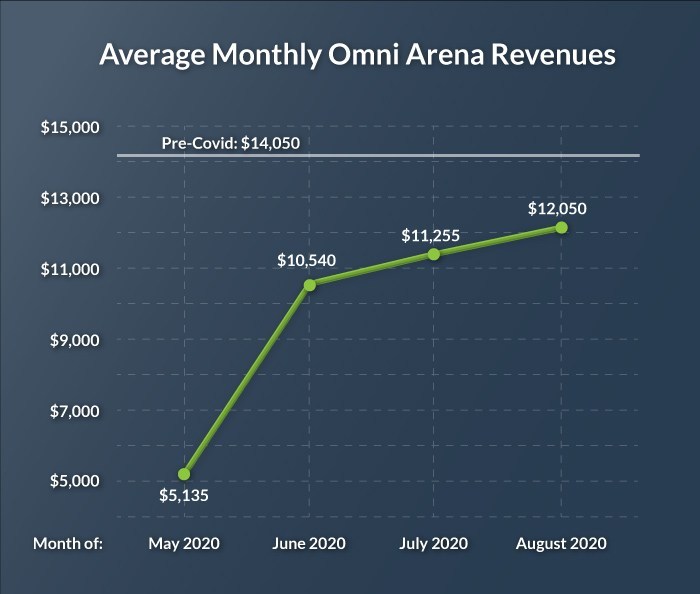
...To be frank I look forward to seeing how the Quest 2 deals in a Standalone market that will have competition next year from the new Sony PSVR2, along with Pico, Panasonic, and Samsung Standalone systems without walled gardens. We will get to see if a closed ecosystem against an open development market will work, and how much the Facebook login issues will impact buying habits.
The VOID was already in difficulties before COVID lockdown. it seems like with AMC and other big entertainment operations the debt was magnified when the ticket tap was turned off for a period. ... Once we know the situation with regards to Disney support of the VOID, and if the rumors are true, then we will know if they are going to survive.
What is your outlook for LBE VR in 5 years?
I envisage that LBE VR will be less about VR. The move towards more XR platforms in our sector has gained momentum, the use of new project mapping systems that can generate an immersive environment with a level of image quality far surpassing the current and future headsets is a strong draw, and also offer unencumbered immersion.
What are your future plans instead?
As a specialist consultancy in this sector, I am working with investors on these new Location-Based entertainment venue concepts. I am working with developers of new LBE XR hardware to be deployed into the market. I am working on a new media service to get the message out to the industry, and also trying to hunt down the next generation of immersive technology. It’s not a matter of “instead”, it’s a continuation of business.
See the full story here: https://www.virtualrealitypulse.com/edition/daily-amazon-apple-2020-10-13?open-article-id=14662405&article-title=kevin-williams--lbvr-is-not-dead--it-is-rising-again&blog-domain=skarredghost.com&blog-title=the-ghost-howls
Whisper announces $35M Series B to change hearing aids with AI and subscription model
[PhilNote: the business model price is outrageously high relative to the competition.]
Today, the company emerged from stealth with a new hearing aid built from the ground up. It uses artificial intelligence to learn and adjust in an automated way to different hearing situations like a noisy restaurant or watching TV. And you don't pay thousands of dollars up front, you pay a monthly fee on a three-year subscription, and you get free software updates along the way.
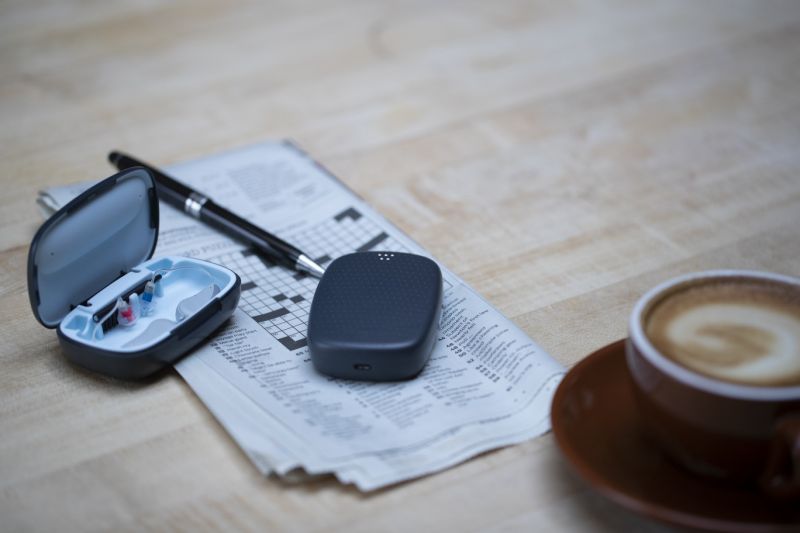
The technology they've built consists of three main components. For starters you have the hearing aids themselves that fit on the ear, along with a pocket-sized external box that they call the Whisper Brain, which the company says, "works wirelessly with the earpieces to enable a proprietary AI-based Sound Separation Engine," and finally there is a smart phone app to update the software on the system.
Whisper offers these hearing aids on a subscription basis for $179 per month on a three-year contract, which includes all of the hardware, the software updates, on-going support from the hearing care pro, a three-year loss and damage insurance and an industry-standard equipment warranty. They are offering an introductory price of $139 per month for a limited time.
At $179 per month, it comes to a total of $6,444 over the three-year period to essentially rent the aids. At the end of the subscription, customers can renew and get updated hardware or give the hardware back. They do not own the hearing aids.
It's worth noting that other hearing aid companies also use AI in their hearing aids, including Widex and Starkey, neither of which require an external hub. Many hearing aid companies also offer a variety of payment and subscription plans, but Whisper is an attempt to offer a different approach to hearing aids.
See the full story here https://www.yahoo.com/entertainment/whisper-announces-35m-series-b-160051724.html
Microsoft says its AI can describe images ‘as well as people do’
In 2016, Google said its artificial intelligence could caption images almost as well as humans, with 94 percent accuracy. Now Microsoft says it’s gone even further: Its researchers have built an AI system that’s even more accurate than humans — so much so that it now sits at the top of the leaderboard for the nocaps image captioning benchmark.
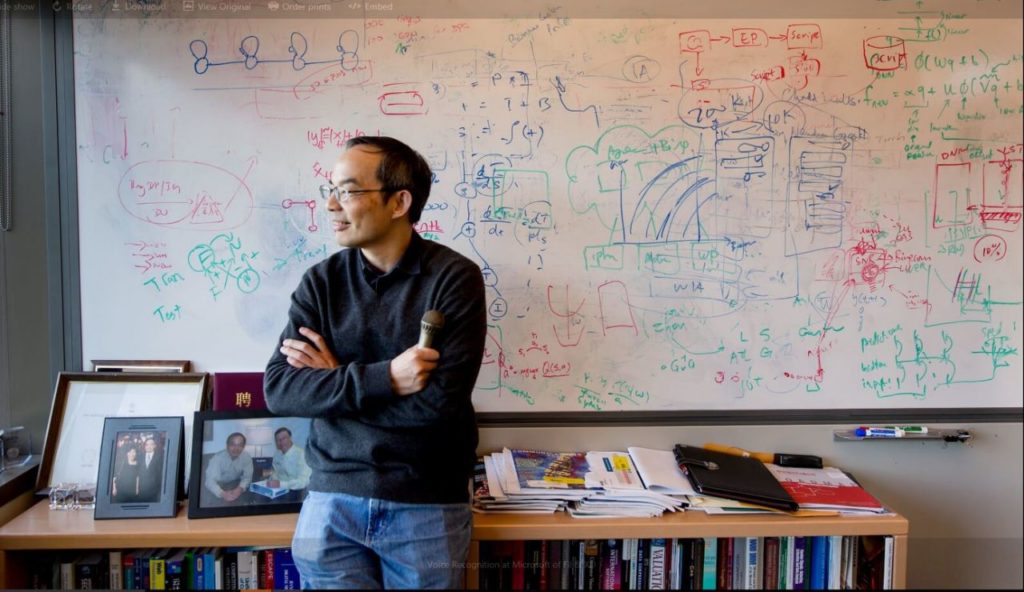
It’s not unusual to see companies tout their AI research innovations, but it’s far rarer for those discoveries to be quickly deployed to shipping products. Xuedong Huang, CTO of Azure AI cognitive services, pushed to integrate it into Azure quickly because of the potential benefits for users.
But while beating a benchmark is significant, the real test for Microsoft’s new model will be how it functions in the real world. According to Boyd, Seeing AI developer Saqib Shaik, who also pushes for greater accessibility at Microsoft as a blind person himself, describes it as a dramatic improvement over their previous offering.
See the full story here: https://www.yahoo.com/entertainment/microsoft-azure-ai-image-captions-humans-150040200.html
Do We Live in a Simulation? Chances Are about 50–50
It is not often that a comedian gives an astrophysicist goose bumps when discussing the laws of physics. But comic Chuck Nice managed to do just that in a recent episode of the podcast StarTalk. The show’s host Neil deGrasse Tyson had just explained the simulation argument—the idea that we could be virtual beings living in a computer simulation. If so, the simulation would most likely create perceptions of reality on demand rather than simulate all of reality all the time—much like a video game optimized to render only the parts of a scene visible to a player. “Maybe that’s why we can’t travel faster than the speed of light, because if we could, we’d be able to get to another galaxy,” said Nice, the show’s co-host, prompting Tyson to gleefully interrupt. “Before they can program it,” the astrophysicist said, delighting at the thought. “So the programmer put in that limit.”

Such conversations may seem flippant. But ever since Nick Bostrom of the University of Oxford wrote a seminal paper about the simulation argument in 2003, philosophers, physicists, technologists and, yes, comedians have been grappling with the idea of our reality being a simulacrum.
See the full story here: https://www.scientificamerican.com/article/do-we-live-in-a-simulation-chances-are-about-50-50/