Bose gives up on its augmented reality sound project
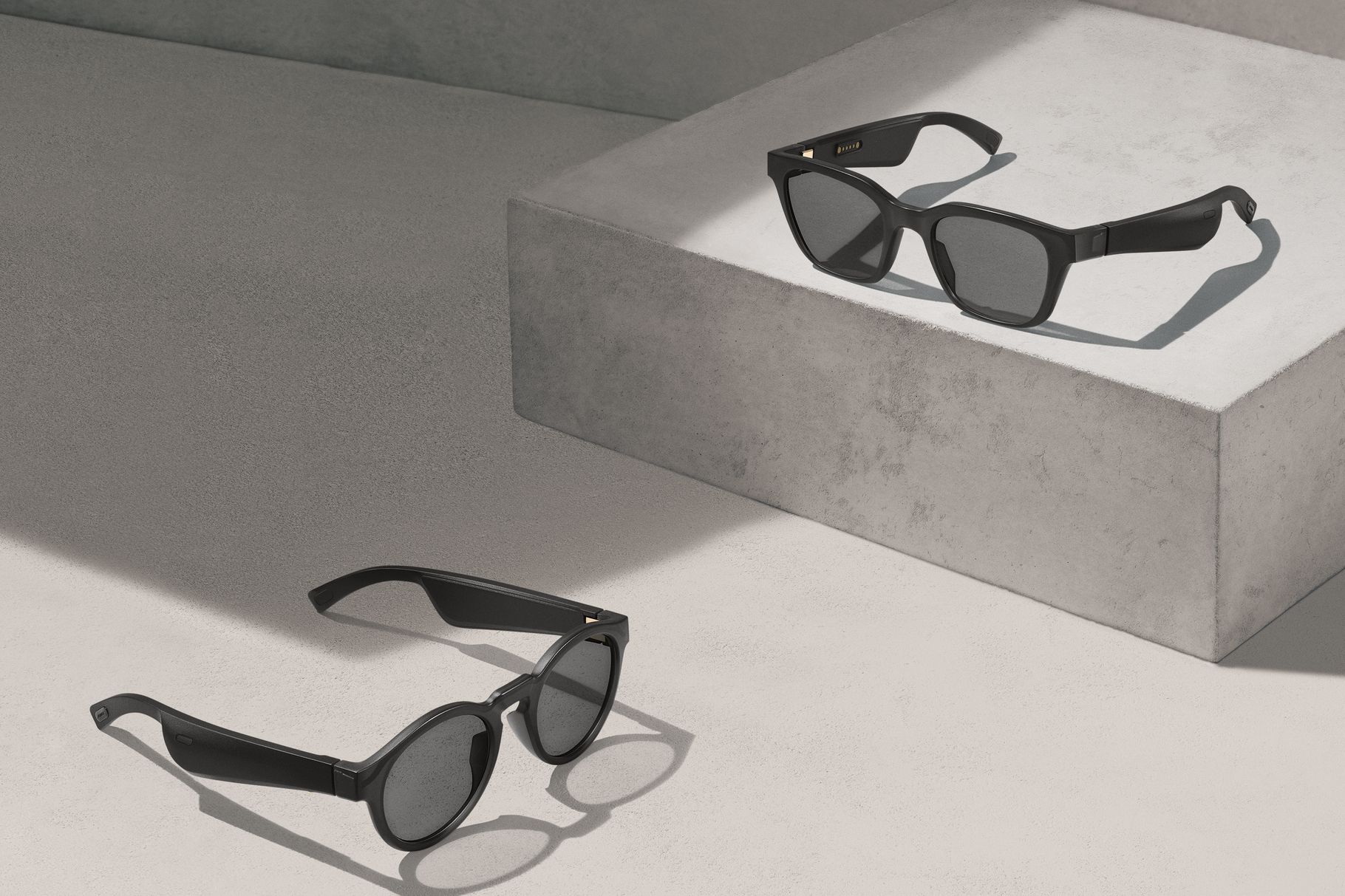 Bose is giving up on its augmented reality project, two years after debuting the idea at SXSW. As first reported by Protocol, employees working on AR at the company have left or were laid off; Bose’s partners were told their apps would stop working in the coming weeks; and the company scrubbed mentions of AR from its website in addition to closing its public AR SDK in April. The main proponent of AR at the company, SVP John Gordon, also left last summer.
Bose’s AR focused on sound rather than visuals. It established a $50 million fund for Bose AR developers, and initially worked with 11 software partners including Yelp and TripAdvisor. The company launched its Frames sunglasses in January 2019 for $199, which played audio from the arms. It also featured a microphone and embedded button, as well as app functionality. The AR feature relied on a smartphone’s GPS and a motion sensor to determine where a person was looking and standing. The idea was that the glasses could provide information on whatever someone was seeing.
Announcing the RLab Accelerator Spring 2020 AR/VR Cohort
 We’re thrilled to introduce the startups in the Spring 2020 RLab Accelerator. Selected by RLab and resident venture capital firm Super Ventures through a competitive global open call, these five startups represent an exciting range of consumer and enterprise applications for spatial computing, XR and related technologies in healthcare, architecture, engineering, fashion and art.
The companies convened in New York City in early March to begin a 3-month residency at RLab. Due to the COVID-19 outbreak, the program has moved online, and includes weekly curriculum sessions, mentorship and support to help startups navigate growth in the emerging XR ecosystem amid the unprecedented disruption of the global pandemic.
See the full story here: https://medium.com/@therlabnyc/announcing-the-rlab-accelerator-spring-2020-cohort-c81a0c25c853
The AR Roundup: May 2020 by Tom Emrich, 8th Wall
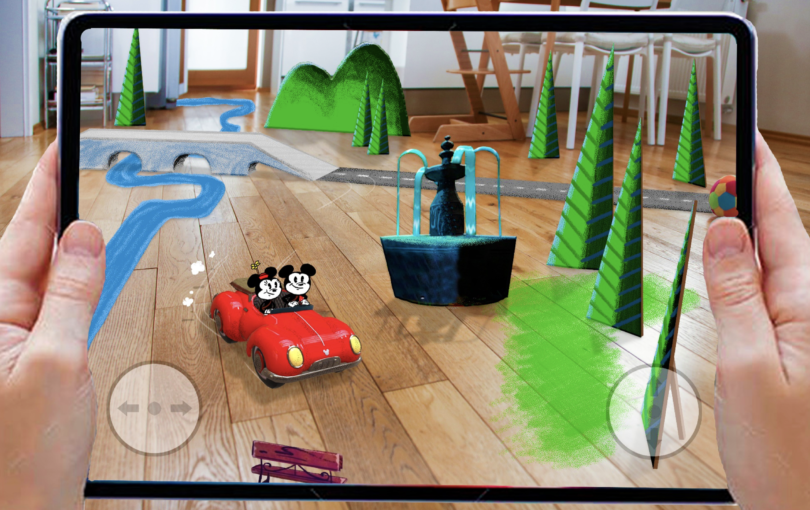 See the full story here: https://medium.com/@tomemrich/the-ar-roundup-may-2020-392c79b2a3d3
Marketing To Robots: Why CMOs Need To Start Thinking About Business To Robot To Consumer (B2R2C)
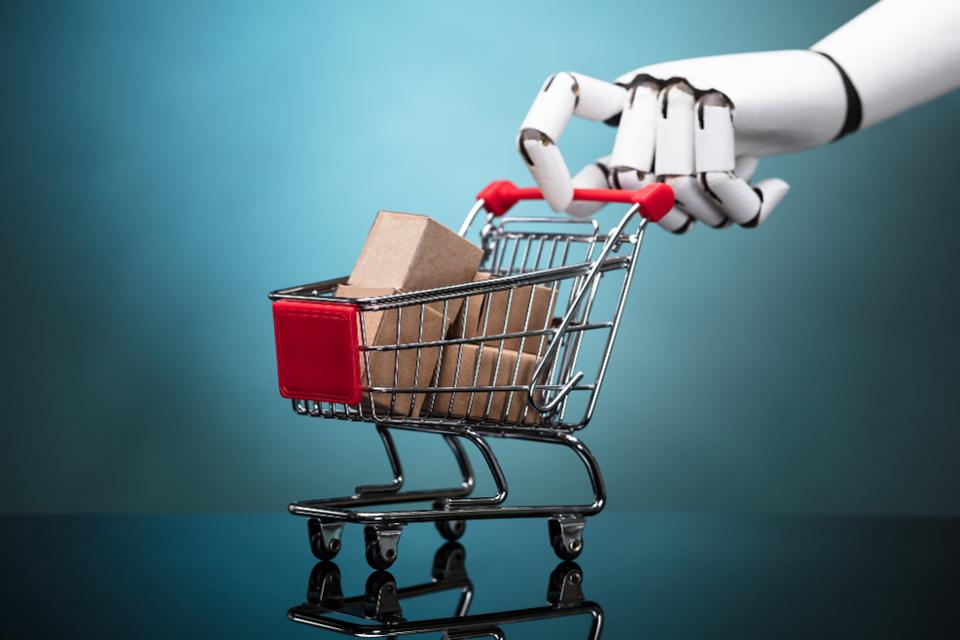 Marketing is changing as voice assistants, Artificial Intelligence (AI), drones, and digital avatars become the gatekeepers between brands and consumers. In this new age of technology, CMOs will have to rethink their strategies for creating winning brands. To prepare for the future, marketers and CMOs need to think how to market not just to people but to the robots who make decisions for them.
When robots deliver our food, cook our food, and take care of us, will brands need to reach the consumer via those robots?
According to Kim Bates, Chief Futurist at Faith Popcorn’s Brain Reserve, “The customer journey of the future will begin to emerge as Business to Robot to Consumer (B2R2C).” This will all begin within the comfort of our homes.
Today, robots are already engaging with customers on a personal level. Bots can qualify leads, personalize user experiences to create custom ads, simplify the purchase process, and even help customers shop and style themselves. For instance, H&M uses a messaging chatbot that helps customers find clothes and outfits using conversation, as if the customer was shopping with a friend. These examples are just a few as to how people already engage with robots.
Lil Miquela is one such virtual being with over 2.3 million followers on Instagram.
McCleary describes the relationship between digital gatekeepers and consumers, “The multiple layers of AI involved in unraveling to keep pace with the sovereigns like Google, Apple, and Microsoft, are exquisite. Marketing in the future is an entire paradigm shift where it's no longer the brand owning the relationship with the customer but rather the personal digital assistant, (and the platform it is run on), owning the relationship.”
Kim Bates says, “For CMOs, brand strategy may remain, but brand activation will forever change. There will be a new set of customers to persuade to consider a product or service.
See the full story here: https://www.forbes.com/sites/cathyhackl/2020/06/14/marketing-to-robots-why-cmos-need-to-start-thinking-about-business-to-robot-to-consumer-b2r2c/#5b7f859721b1
Sony promises redesigned PS5 dashboard with ‘no pixel untouched’
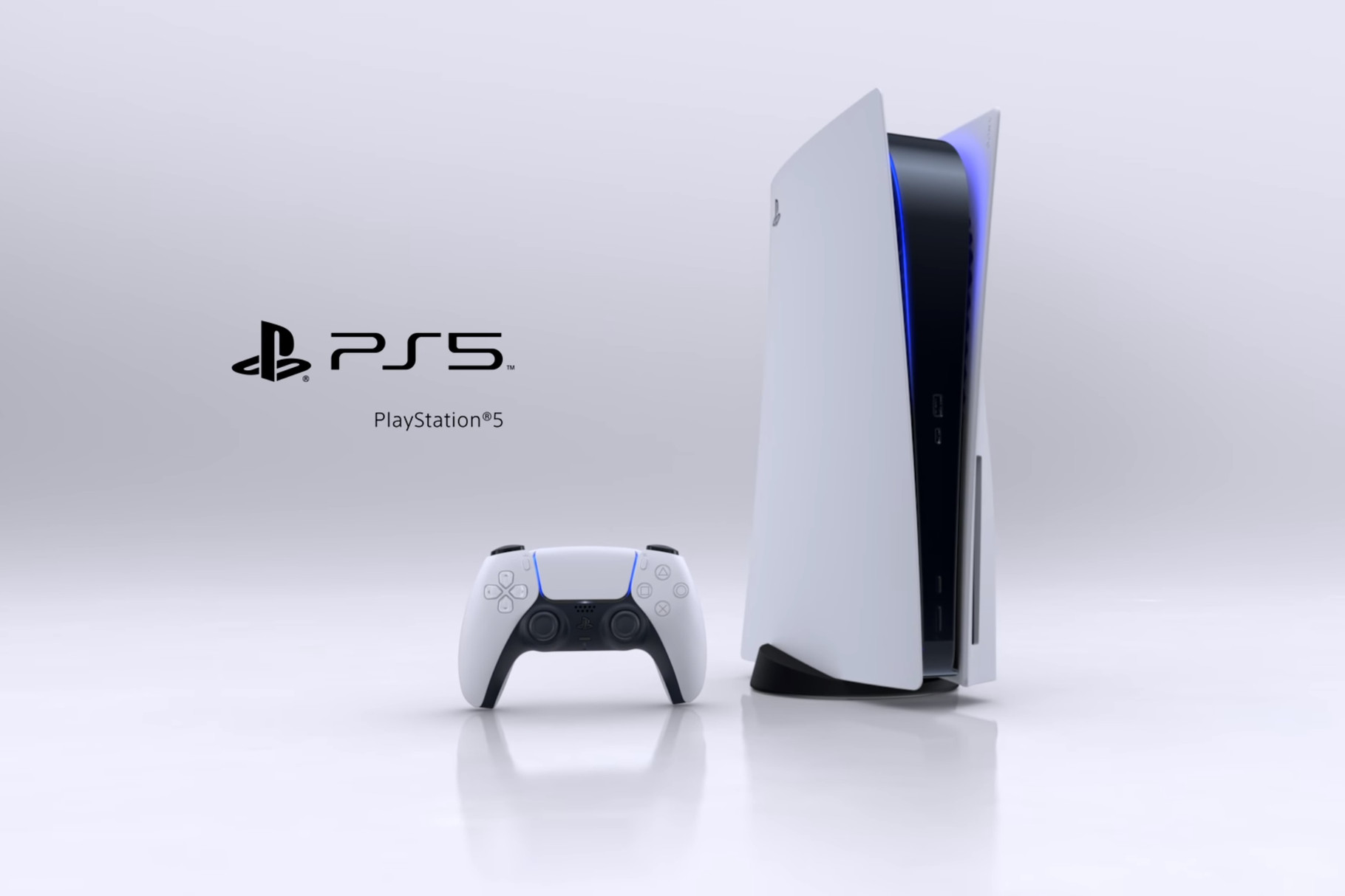 “As it’s UI it’s practical first, but it’s a whole new visual language and a complete rearchitecting of the user interface,” explains MacLaurin. The new PS5 OS is “more subtle than flashy, but no pixel is untouched,” he adds.
While Sony is promising a totally overhauled dashboard for the PS5, Microsoft is taking a slightly different approach. Instead of a radical redesign, Microsoft is focused on optimizing its existing Xbox One dashboard for the upcoming Xbox Series X so the UI is as familiar as possible.
See the full story here: https://www.theverge.com/2020/6/15/21291288/sony-ps5-software-user-interface-ui-design-dashboard-teaser-video
A Brief History of Augmented Reality
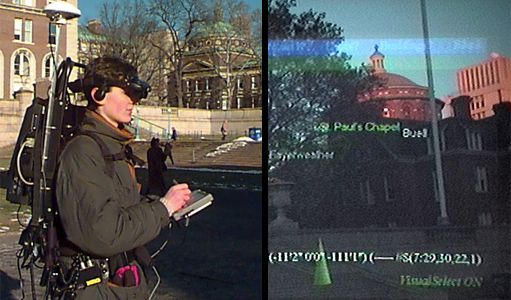 Then in 1997, Ronald Azuma provided a widely acknowledged definition for AR as identified by three characteristics: it combines real and virtual, it is interactive in real time and it is registered in 3D.
DirectIndustry magazine: What are those barriers that need to be overcome for there to be AR in the enterprise?
Michael Gervautz: You need to build the digital twin and digital thread to leverage all the digital data. So as long as you are not able to use digital data throughout your chain, you will not be able to see AR in an effective way. There are also challenges to creating a good AR user experience and having hands-free devices. And the recognition and tracking of products and environments is also a challenge.There are still products that computer vision and AR systems cannot recognize. There are still things to do but we are making progress.
DirectIndustry magazine: What are the next challenges?
Michael Gervautz: Indoor navigation, what people call spatial computing, is the next step. Spatial computing is a new form of computing that uses computer vision and artificial intelligence to seamlessly blend content into the real world. It’s a technology that allows you to recognize the environment, the spaces where you are. We are able to augment objects and products. Soon, we will be able to augment and track the environment. We will build a digital twin of the environment by using a 3D scan and thus create navigation applications and spatial instructions using the surroundings as interactive elements to be explored.That will be a huge step forward.
See the full story here: http://emag.directindustry.com/a-brief-history-of-augmented-reality/
How virtual reality will change the online gambling world
 Virtual reality casinos are coming, and when they do, they will change the face of online gambling forever.
- VR Could Save Slot Games
- VR Casinos Would Create Hospitality and Dealer Jobs
- Online Gambling Would Be More Social than Ever
See the full story here: https://knowtechie.com/how-virtual-reality-will-change-the-online-gambling-world/
How virtual reality takes the ‘work’ out of workouts
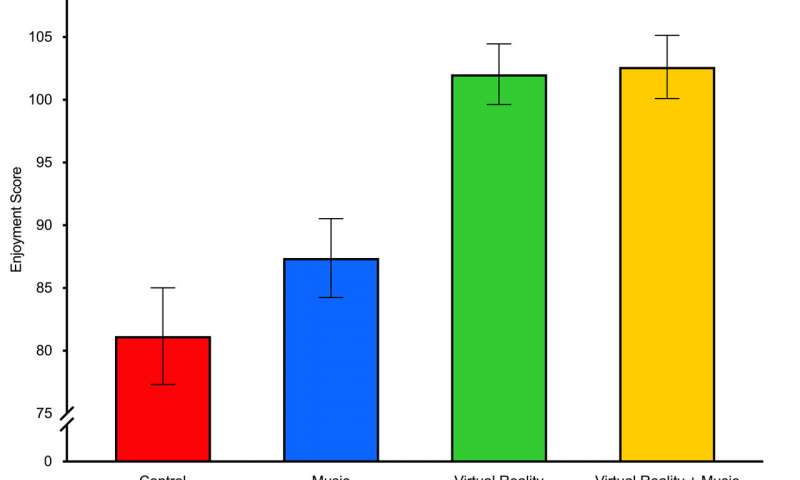
 Brunel University London and the University of Exeter joined virtual workout games creators VirZOOM to see how VR dials up pleasure and helps people lose 'exercise consciousness'.
In a controlled experiment with 24 volunteers on exercise bikes, experiencing VR with music raised perceived enjoyment by 26.4%, compared with a control condition of no VR or music. And the VR combined with music raised enjoyment by 17.5% when compared to music on its own.
See the full story here: https://medicalxpress.com/news/2020-06-virtual-reality-workouts.html