Davenport University using virtual reality to deliver ‘you are there’ classes, events
Davenport is using virtual reality software VirBELA to run its virtual reality program.
"We want to try to make sure we are in front of the curve," said Brian Miller, Davenport's dean of the global campus. "What really makes a school is a sense of place. That's missing in most online-learning programs."
Personalized avatars in different settings
Through the software, Davenport can designate classroom space, auditorium space, conference rooms and other places. Each person can set up their avatar, personalizing clothing, hair, skin color and other items. It is not photo-realistic.
The school recently held a career fair using the software, setting up business representatives on a virtual soccer field. Students visiting the fair could walk their avatar around the fair and see the different booths.
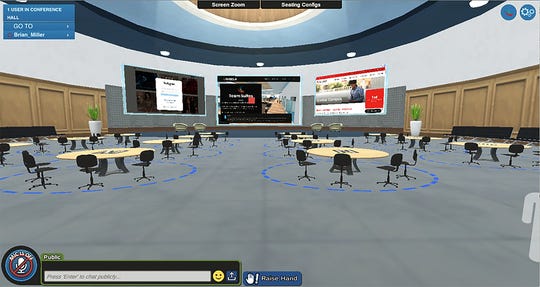 There also can be conference rooms, where students can gather around a table, with screens and boards in the background. The screens are saved even when users log out. The users' avatars sit at the table. Nobody else can get in. A professor can knock on the door to come in and check on students. The students' avatars will stand up and go open the virtual door to let the teacher in.
Rooms can be set up differently. For example, a large space could handle round tables with space for eight people at each table, or rows of chairs, or other configurations.
Yes, you can raise your hand
Once in, people using their avatar can raise hands, look puzzled or take other actions. If there is a conference going on, when one speaker introduces the next speaker, that person's avatar steps out of the audience and talks at the podium.
"It creates visual clues and a sense of being there," Miller said. "It's also good for helping with skills for students. For example, it's hard to replicate in online classes the feeling you get when standing up and looking at a bunch of people sitting there looking at you. This does that. It also offers visual feedback from the audience, so you can learn how to read an audience and adapt your message."
See the full story here: https://www.freep.com/story/news/education/2020/03/31/davenport-university-virtual-reality-classes/2914918001/
The VirBELA site - https://www.virbela.com
Welcoming 3D Spatial Mapping Leader 6D.ai to Niantic: Accelerating Real-World AR Innovation
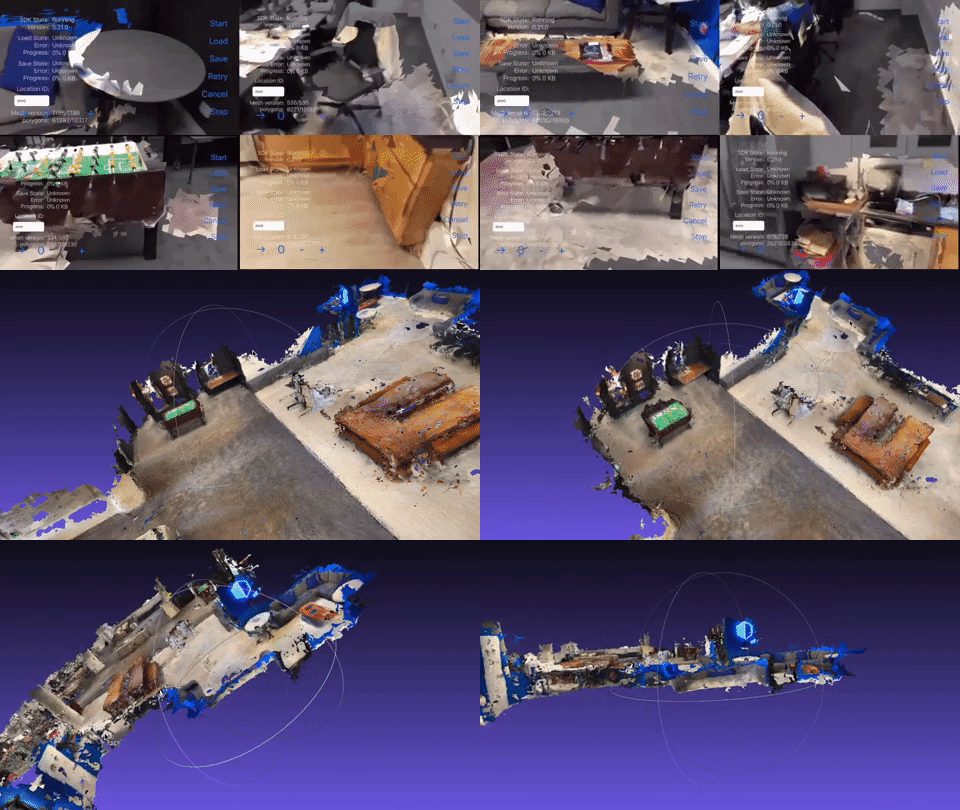 Today, we are announcing the acquisition of 6D.ai and welcoming members of the talented team to Niantic. Together, we’re building a dynamic, 3D map of the world so we can enable new kinds of planet-scale AR experiences. This means we're even closer to an AR platform that will unlock the ability for any developer to make content for current and future AR hardware.
Founded in 2017, 6D.ai was spun out from Oxford University’s Active Vision Lab, building computer vision-based technologies and developer tools that solve fundamental AR problems, such as 3D reconstruction and AR persistence.
See the full story here: https://nianticlabs.com/blog?fbclid=IwAR0Hcw95FXQi6YbjnkB2u6qICXHCiHbcHeBdC_iIzcyiiMSowApwaZkt4EE
Here’s how virtual reality can bring ancient cities back to life (Ugarit, 3,000 BC)
[PhilNote: it is amazing ANY of it survives. It is in coastal Syria.]
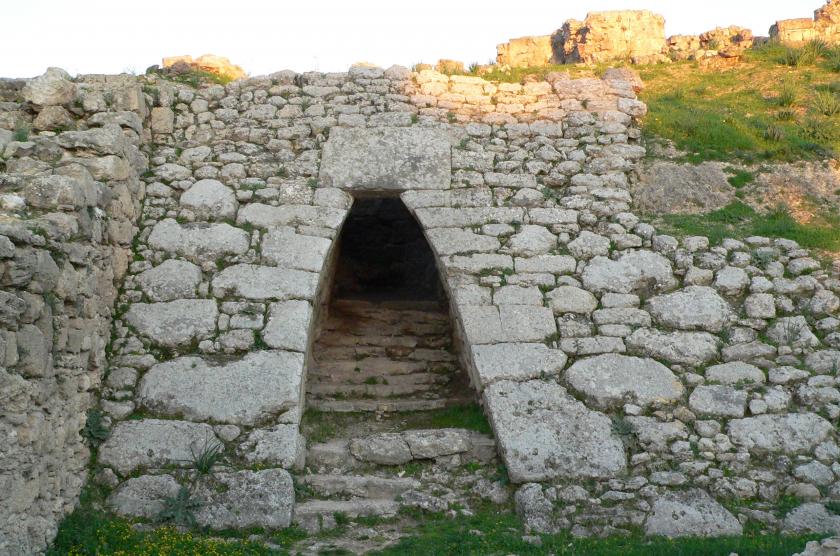 Although only 30 per cent of Ugarit has been excavated, the discovered areas give clues about the organisation of the city. The buildings include royal palaces, large houses, tombs, sanctuaries, public buildings and temples. Ugarit’s golden age was between the 14th and 12th century BC, and the excavated ruins show that interesting political, social and economic evolution took place in the city.
Virtual conservation
A shift toward using virtual technologies as preservation methods to document historic sites and provide educational opportunities has taken place in recent years. This prevents misguided architectural conservation, which can damage a site.
Preserving a sacred route
Excavations have revealed a key sacred route that linked the Royal Palace with the main Temple of Baal and passed through public areas of Ugarit. Researchers believe that the king followed this sacred path to practice cult sacrifices at the temple.
Virtual reconstruction is an effective tool to assess these proposals and judge their ability to protect the ruins, as well as revealing intangible aspects, such as the atmosphere of a street, which are lost to time. We have developed virtual tours which create an opportunity for screen displays to be installed on the site before the actual proposal is implemented.
This political situation also means that it is not possible to visit Ugarit at the moment – a position shared by hundreds of archaeological sites around the world. So the virtual reconstructions serve another purpose: they allow those interested a glimpse of this fascinating city and provide an opportunity to raise awareness of the site’s cultural importance with an international audience.
See the full story here: https://www.citymetric.com/horizons/heres-how-virtual-reality-can-bring-ancient-cities-back-life-4958
Google 3D animals: Which ones are available and how to use them
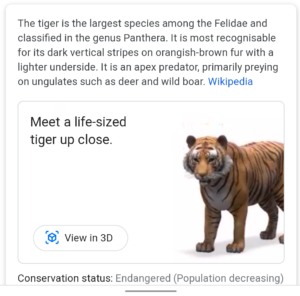 List: 3D animals available on Google Search
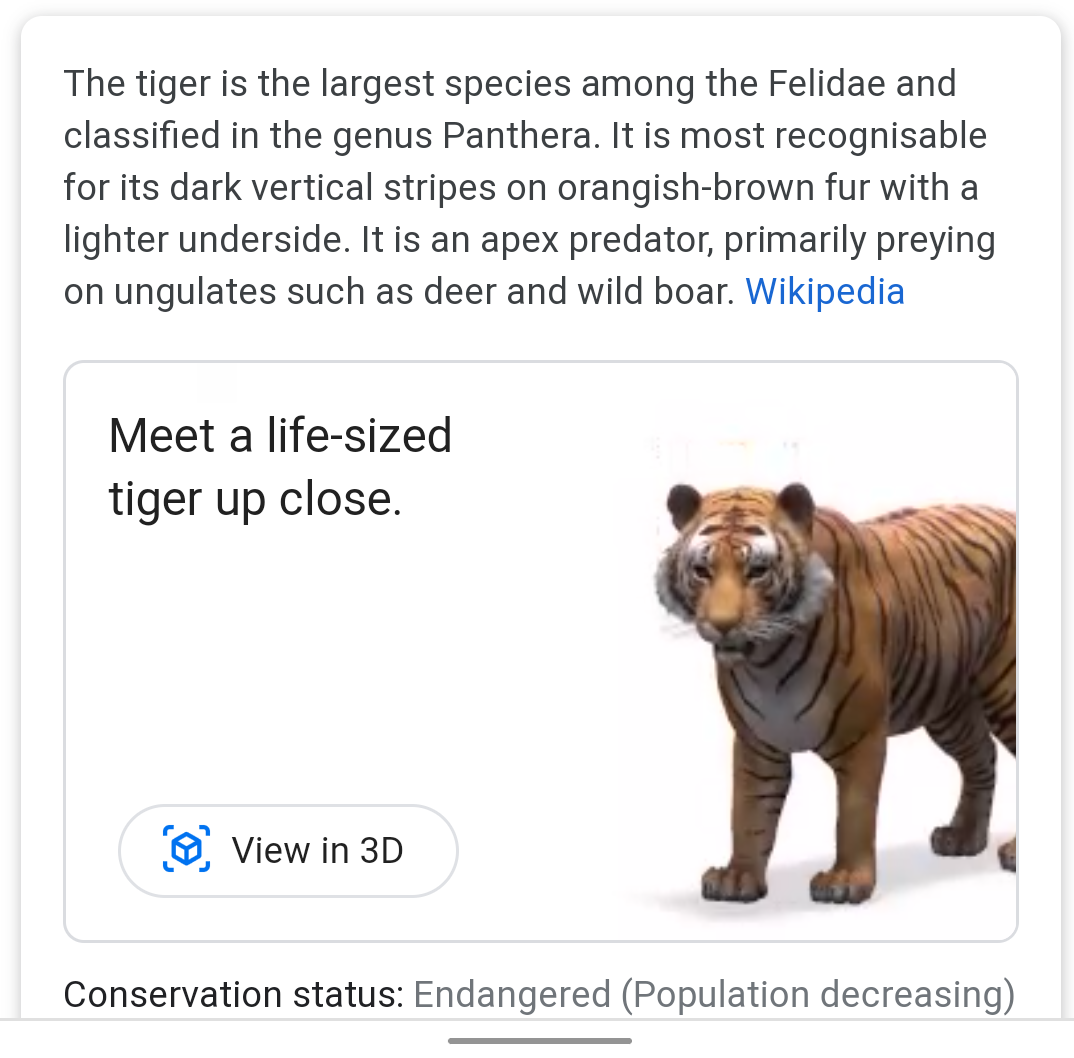
What other AR objects are available in Google Search?
What you need to view AR objects on Google
Google’s 3D animals are different on every device. Typically speaking, you might not see AR or 3D objects on a desktop computer or laptop. Rather, you’ll need a supported smartphone to view these objects.
The good news? Most modern smartphones are supported!
See the full story here: https://9to5google.com/2020/03/28/google-3d-animals-list/
Half-Life: Alyx Didn’t Need Virtual Reality, Virtual Reality Needed Half-Life: Alyx
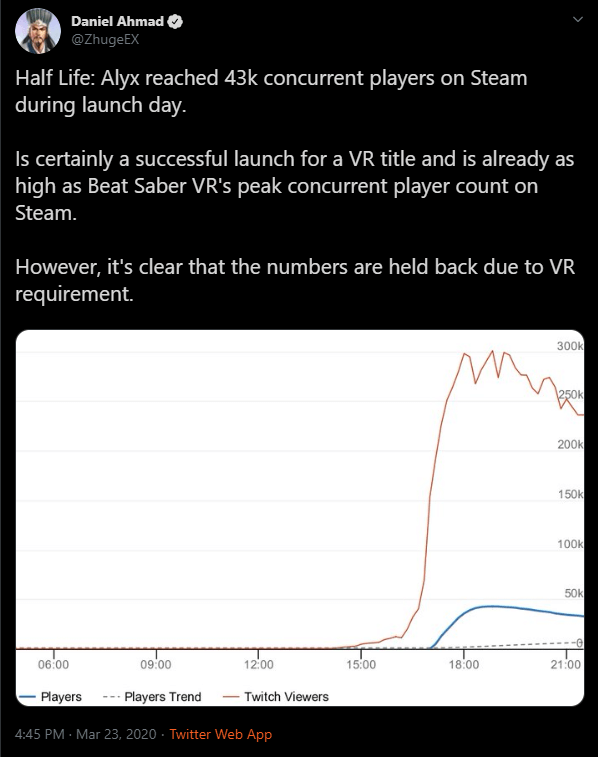 Virtual Reality gaming couldn't have had a better developer and a gaming franchise batting for it.
 - Half-Life: Alyx is exclusive to VR headsets.
- This limitation angers longtime fans.
- However, a VR Half-Life is the only way to push headset adoption.
Despite near-perfect reviews, debate still surrounds Valve’s Half-Life: Alyx and virtual reality exclusivity. Many don’t have access to VR. How could Valve put such a beloved franchise on a limited platform?
Well, to get more people buying virtual reality headsets.
See the full story here: https://www.ccn.com/half-life-alyx-didnt-need-virtual-reality-virtual-reality-needed-half-life-alyx/
Deeper Dive—What is Facebank and why did it merge with fuboTV?
 When virtual MVPD fuboTV this week announced plans to merge with Facebank Group and form a new company called fuboTV Inc., it may have left some wondering what exactly is Facebank.
FuboTV has emerged as a frequently mentioned independent competitor in the vMVPD space that is dominated by services like Hulu + Live TV, YouTube TV and Sling TV, all tied to much bigger companies and household names Disney, Google and Dish Network, respectively.
Facebank, which sounds a little like Facebook opened a financial institution, is not as commonly known. The company describes itself as a “developer of hyper-realistic digital humans” that can be distributed across traditional media as well as live entertainment, virtual reality, augmented reality, mobile, interactive and artificial intelligence applications. Remember the Tupac hologram from Coachella a few years ago? That was Facebank, back when it was called Pulse Evolution.
FuboTV has proven remarkably resilient in competing against its bigger vMVPD peers and if it can grow internationally, it will have accomplished something that its rivals have not.
See the full story here: https://www.fiercevideo.com/video/deeper-dive-what-facebank-and-why-did-it-merge-fubotv
NEWS 5G augmented reality bus tour trialled in Barcelona
 The tour displays real-time visual content on the front window of the bus, creating what is said to be a unique tour experience for the passengers.
For example, the tour included a display of the inactive Montjuic fountains, and although they’re not currently functioning, the screen displayed them as if they were. It also displayed historical information on buildings and monuments as the bus moved through the city.
Mediapro Group designed the experience, selected and generated the tourist information, and developed the software and augmented reality content. It was also responsible for the installation of the transparent screens.
Telefónica arranged the high-speed network that provides 5G large bandwidth downstream and upstream, allowing optimised quality of content and real-time broadcasting.
See the full story here: https://www.intelligenttransport.com/transport-news/97639/5g-augmented-reality-bus-tour-trialled-in-barcelona/