Augmented reality contacts are real, and could be here sooner than you think
 Mojo Vision isn't the only company betting on an AR-powered future, though it appears to be farther along than its competitors. Samsung has patentedsmart contact lens concepts. Apple is reportedly working on an augmented reality headset, as well as AR glasses that could one day replace the iPhone. Facebook is also working on AR glasses, but has indicated the project is still in the early research stage.
See the full story here: https://mashable.com/article/augmented-reality-contact-lenses-mojo-vision/
Pal-Mac schools use virtual reality goggles to provide an immersive experience
 “It takes whatever is on the paper and makes it come alive,” Grammatico said.
Science teacher Jeffery Cheramie uses a tablet to control the lesson. He can also monitor which headsets are in use in this magical experience. It’s almost like…
“People in my generation know the ‘Magic School Bus,’ where everybody said Ms. Frizzle can go into the human body, that’s what we’re able to do now,” Cheramie said.
So far, there only seems to be one drawback.
“If you have motion sickness, standing up can really make you wobbly, so they recommend that you sit down,” Dolce said.
As fun and flashy as it is, this technology helps kids learn in a time that is filled with other distractions… and gives everyone greater access, from the human brain, to world itself.
See the full story here: https://www.rochesterfirst.com/news/digital-exclusives/palmyra-macedon-schools-use-virtual-reality-goggles-to-provide-an-immersive-experience/
Top Consumer Trends for 2020 (WSJ)
What are the biggest consumer trends set to shape 2020? Technology will drive many of the changes, predicts market researcher Euromonitor International.
People will face challenges in safeguarding their privacy online as they rely more on artificial-intelligence devices at home, seek better transportation options and expect highly personalized digital communication, Euromonitor says in its annual trend report. The year ahead will also bring clean-air activism, heightened demand for reusable products and greater inclusivity for all consumers, the firm predicts.
Euromonitor, a London-based global market research firm, has released its forecasts since 2010. Four years ago, it correctly predicted the rise of the “buying time” trend, which flagged how consumers wanted apps and online tools to save them time. In 2018, Euromonitor also noted the rise of “clean lifers,” consumers who choose to live more healthfully and ethically.
SHARE YOUR THOUGHTS
What major consumer trend do you foresee for 2020? Join the conversation below.
But their forecasts haven’t always come true, yet: In 2018, a prediction that consumers would participate in the product-creation process ended up being “less impactful that year,” Euromonitor says, noting that it could still happen in the years ahead. The trend of companies using DNA-based personalization also didn’t take off in 2018, as Euromonitor predicted, but by 2019 there was an uptick in activity, the company said.
Here are its predictions for the biggest global consumer trends:
Privacy Concerns Mount
More consumers expect brands to customize products and services for them, but hesitate when such personalization requires surrendering personal information. Consumers remain suspicious of data-collection efforts, with more than 40% of consumers believing that targeted ads based on online searches are an invasion of privacy, according to a 2019 Euromonitor survey. Younger consumers are more willing to share their data in exchange for personalized offers but want transparency in how it will be used.
Euromonitor predicts that legislation will shift more privacy control to consumers and will enable them to more proactively opt out of companies tracking their digital habits if it doesn’t directly benefit them. “Consumers will surely become progressively less trusting of companies extracting and using their data without transparency, adequate security and opt-out options,” Euromonitor says.
More Robots
Consumers are beginning to accept that robots or other types of artificial intelligence can perform jobs traditionally done by humans. They are buying more AI-enabled home appliances and virtual assistants, like Amazon Alexa, and adopting new habits to use them, including voice commands. “Though complete trust of and universal access to this technology will take more time, we are embracing the concept of AI-driven robots for our own welfare, convenience and comfort,” Euromonitor says.
Homebodies
During times of economic, political or personal uncertainty, consumers often want to retreat to their homes. Now, thanks to high-speed internet access, more at-home services and faster delivery times, many fully can. The percentage of global households with access to broadband internet has doubled since 2010, allowing many consumers to work from home, according to Euromonitor research.
“Without having to leave the house to go to the office, consumers are reluctant to leave for any reason,” the firm says. “As a result, remote workers are fueling growth in areas such as internet retailing, home-fitness providers and ready-to-eat food and grocery delivery at the expense of brick-and-mortar stores, gyms and restaurants.”
Instant Gratification
Shorter attention spans means that people expect information to be as accessible as possible in the quickest possible time frame. Euromonitor calls this the “catch me in seconds” trend, flagging brands that offer “drops,” or the practice of selling exclusive merchandise for a short period of time, and the increasing availability of faster video-playback speeds, which allow consumers to watch more online content in less time. Friends, family and independent consumers are becoming the most trusted sources as consumers try to quickly decipher the most relevant information amid the vast trove they can now access.

Better Travel
As the world’s population becomes increasingly urban, residents are growing frustrated with congested roads and overcrowded public transportation. More people now turn to navigation apps to plan their journeys and offer real-time updates on the best way to travel via train, taxi, electric bike, scooter, helicopter or a customized combination of them all depending on time, budget, weather and occasion.
“Consumers want their transportation across cities to be modular and personalized to their individual needs in 2020 as they embrace a crowded world that is no longer seen as car-first,” Euromonitor says.
Inclusivity
As more consumers want products that satisfy their needs as well as reflect their values, brands are shifting their products and services to be more accessible to everyone and adopting marketing that represents individuals beyond the mainstream. More products and services are highlighting “inclusivity for all,” including people with physical and mental disabilities. “From fashion to toys, games, foodservice and interior design, brands are responding to a societal push for change,” Euromonitor says.
Local Pride
More consumers want local brands and products, seeing them as more authentic and better representing their individuality, Euromonitor says. In addition to pride in hometown goods and an appetite for niche brands, environmental concerns are also motivating consumers to prioritize local businesses. “For North America, the shopping mall and chained retail experience feels homogenized and steadily less appealing,” says Euromonitor. “People want to connect to their neighborhood again and support local, independent traders.”
Clean-Air Activism
Awareness of air pollution is affecting more consumers’ purchase decisions and pushing more brands to position themselves as environmentally conscious. As many cities exceed safe air pollution limits, eco-anxiety is pushing shoppers to buy more sustainable products that allow for a guilt-free experience.
Euromonitor expects climate activists to intensify their stance against carbon emissions, further pushing consumers and businesses to do their part in the year ahead. The firm predicts brands will fight for market share based on their efforts to contribute to environmental protection. “Vegan, fair trade and natural are becoming must-have brand credentials,” Euromonitor says.

Reuse Is the New Recycle
New circular business models aim to promote sharing, reusing, refilling and renting to avoid waste. The move is powered by increased environmental awareness, especially among younger generations who prioritize experiences over ownership.
Still, companies trying to tap into this trend need to balance between sustainability and convenience as consumers still prioritize efficacy, value and aesthetics, Euromonitor says, advising that brands should incentivize consumers to switch to reusable or refillable options that are both convenient and affordable. “As more companies integrate reusable packaging into their product lines, this option will be less of a competitive advantage and more of a must-have,” Euromonitor says.
Mood Enhancement
Consumers are increasingly making purchase decisions to improve personal needs like anxiety or low energy, seeking products that offer mood-enhancement and brain function boosts. Legal cannabis is a leader of catering to the broad spectrum of mental well-being, Euromonitor says, estimating that the global legal market will reach $166 billion by 2025. The firm predicts more functional botanicals in food and beverage products including turmeric, mushrooms and matcha, and hormone stimulants in cosmetics.
“For decades people all over the world used substances such as tobacco and alcohol, despite consequences, to self-regulate their mental health,” Euromonitor says. “However savvy consumers are seeking a more diversified, subtle and targeted approach to the age-old problem of mental wellbeing.”
See the full story with graphics here: https://www.wsj.com/articles/robots-mood-enhancers-and-scooters-top-consumer-trends-for-2020-11579005000
Bose is closing all of its retail stores in North America, Europe, Japan, and Australia
 Bose plans to close its entire retail store footprint in North America, Europe, Japan, and Australia. The company announced the decision earlier today and pointed to the fact that its headphones, speakers, and other products “are increasingly purchased through e-commerce” as the reasoning. Hundreds of employees will be laid off as a result.
Bose opened its first physical retail store in 1993 and currently has locations in many shopping centers and the remaining malls scattered across the US. The stores are used to showcase the company’s product lineup, which has grown beyond Bose’s signature noise-canceling headphones in recent years to include smart speakers and sunglasses that double as earbuds. There are often similar demo areas at retailers like Best Buy, though Bose has plenty of competition to worry about in that environment.
The Framingham, Massachusetts-based company is privately held and is not revealing exactly how many workers are being impacted by its decision to pull out of physical retail.
“In other parts of the world, Bose stores will remain open, including approximately 130 stores located in Greater China and the United Arab Emirates; and additional stores in India, Southeast Asia, and South Korea,” the company told The Verge by email.
Facebook’s Augmented Reality Push Causes Leap in U.S. Patents
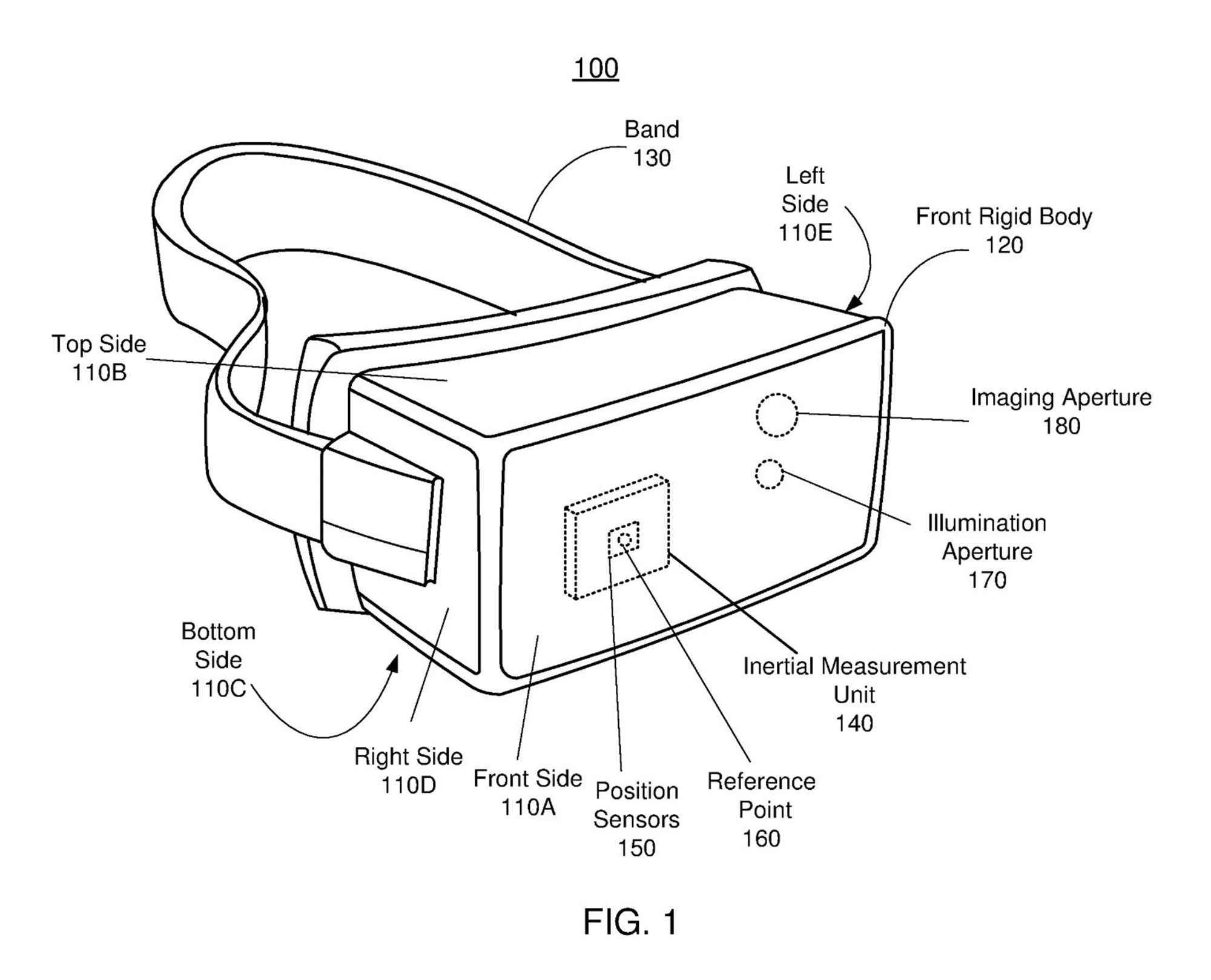 The Menlo Park, California-based social media company won 64% more patents in 2019 than in 2018, according to an analysis of figures from the U.S. Patent and Trademark Office by Fairview Research’s IFI Patent Claims Services. Facebook’s total of 989 patents last year was more than triple the amount it received just five years earlier -- it got 279 in 2014.
Facebook’s 169 patents in the Optical Elements category marked a nearly six-fold jump. Most of that growth stems from the Heads-Up Displays sub-category, which Cady said probably is related to virtual-reality headsets.
See the full story here: https://www.bloomberg.com/news/articles/2020-01-14/facebook-s-leap-in-u-s-patents-hints-at-eye-on-virtual-reality?utm_source=google&utm_medium=bd&cmpId=google
10 innovative tech startups from Warsaw you should know about in 2020
 Brand24

Founders: Michał Sadowski
Funding: €540k
Founded year: 2010
Why its hot: Brand24 is an award-winning app, which lets you track and engage people talking about your company. Several brands of all sizes such as H&M, IKEA, Intel, etc. use Brand24 to identify and analyse online conversations about their products, brands, and competitors. The company provides an easy-to-use, affordable, and reliable solution letting you track and engage online conversations about your business.
Hotailors
Founders: Filip Maksymilian Bloch, Maciej Stopierzyński, Michał Szeksztełło
Founded year: 2016
Why its hot: Hotailors is a platform for organising business travels that grant access to the best real-time offers from over 2.000.000 hotels and over 700 airlines across the world. With the next-generation AI-powered travel tech platform, you can organise your corporate travel faster and better at a lower cost. With its integrations and real-time analytics, you can easily control your travel policy, minimise spendings and increase the efficiency of your business.
InteliWISE
Founders: Marcin Strzalkowski
Funding: €1.8 million
Founded year: 2006
Why its hot: InteliWISE is a Conversational AI company that enables the digital transformation of customer service and engagement. It provides intelligence, AI-powered and industry-leading cloud-based services. The company’s solutions are used for both live-assisted and automated customer engagement and e-commerce applications.
See the full story here: https://siliconcanals.com/news/10-innovative-tech-startups-warsaw-in-2020/
OVR Technology Is Creating Olfactory Virtual Reality for Health Care, Education and Training
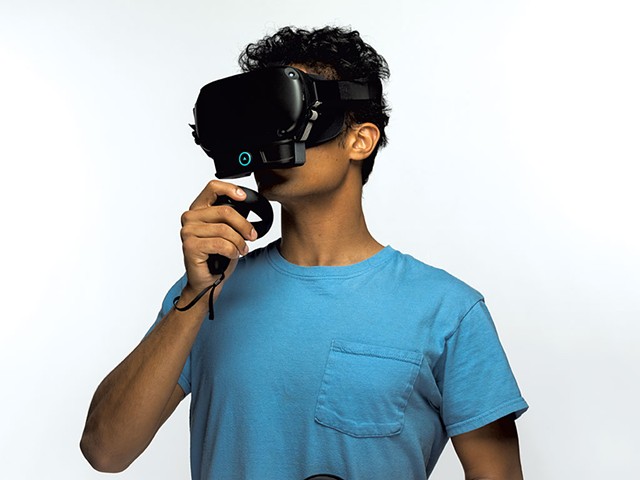 The company aims to improve health care, education and training, and its first product is a three-component platform called Architecture of Scent. One component is the small ION device, which straps onto a VR headset, close to the wearer's nose. ION contains the second component, nine cartridges that store and emit highly realistic scents created by the company, or "scentware." The third component is software that interacts with VR software to cue delivery of scents in precisely measured doses timed to correspond to the headset wearer's behavior.
The scent of a rose should "be more intense the closer you get to it," Stein said. "Or, if there's a wind blowing" in the VR environment, the software calibrates "how the wind carries that scent."
A key collaborator who has helped guide development of the Architecture of Scent is Albert "Skip" Rizzo, a research professor at the University of Southern California and director for medical virtual reality at USC's Institute for Creative Technologies.
See the full story here: https://www.sevendaysvt.com/vermont/ovr-technology-is-creating-olfactory-virtual-reality-for-health-care-education-and-training/Content?oid=29413819
Here’s The Good News About Virtual Reality
 Boneworks and Superhot VR
Boneworks, the experimental physics VR adventure which launched just before the holiday season, reached 100,000 players in its first week. This equates to an estimated $3 million in revenue. To put this into perspective, Beat Saber made $2 million in revenue in its first month. In addition, Boneworks was only released on Steam, making those figures even more impressive!
Superhot VR, one of the most popular VR games out there, also saw great success over the holiday period. The company announced the game grossed $2 million across all platforms in the week over Christmas. This roughly equates to 80,000 copies of the game being purchased across PSVR and Oculus platforms in seven days.
Oculus Quest
Since its release in 2019, Oculus Quest has seen steady sales and helped to thrust VR into the mainstream. Oculus Quest is Facebook’s first all-in-one headset that offers six degrees of freedom (6DoF) tracking.
The Quest was such a hot item over the holidays, the device sold out pre-Christmas and we saw the resale price of the headset going up to 157% of the retail price.
Valve Index And Half-Life
Valve’s flagship Half-Life: Alyx VR game garnered a lot of positive media attention at the end of 2019. With more than 10 million views of the traileracross YouTube and Twitter in its first 24 hours, widespread media coverage, and tens of thousands of social media comments, it was impossible to ignore the news.
The announcement of the game has resulted in the Valve Index VR headset selling out across all 31 regions where sold.
See the full story here: https://www.forbes.com/sites/solrogers/2020/01/15/heres-the-good-news-about-virtual-reality/#7534bfed3196
Apple’s Reality Converter simplifies creating 3D augmented reality objects
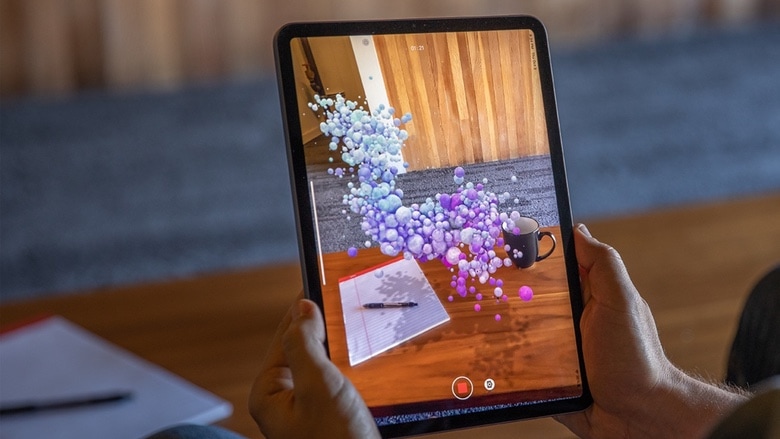 Apple’s Reality Converter gives developers a free tool to convert, view, and customize 3D objects into USDZ, the file format Apple uses for augmented reality content. This is clearly part of the company’s drive to play a significant role in AR development.
Play around with reality in Apple’s Reality Converter
Reality Converter, Apple’s new AR tool for macOS, lets users drag-and-drop common 3D file formats, such as .obj, .gltf and .usd, to view the converted USDZ result. Users can then change textures and edit file metadata.
Once finished, Reality Converter can preview the USDZ object under a variety of lighting and environment conditions with built-in IBL (image-based lighting) options.
The first Reality Converter beta is available now on Apple’s website for developers. Being a registered developer is required to access this software. It’s Mac-only — there’s no iPad version.
See the full story here: https://www.cultofmac.com/677309/apple-reality-converter-tool-3d-augmented-reality-objects/