Random Item Generator — A Story About Joy and Exploding Kittens
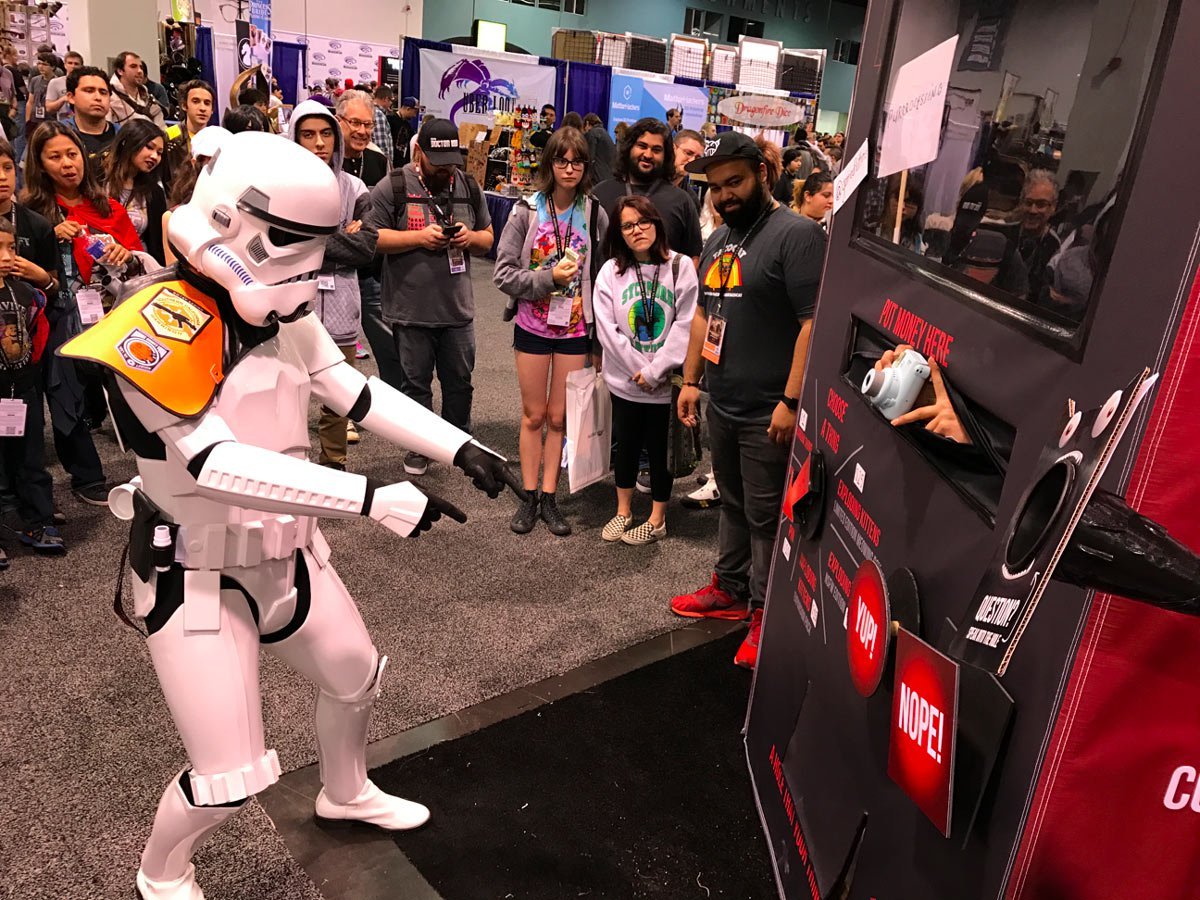 We had to learn a lot in a very short amount of time. We learned that balloon animals were a huge crowd favorite, and so we had to frantically watch YouTube videos backstage to learn how to make them. We learned that in many states you have to be a registered grocer to have produce delivered to a convention hall, so Exploding Kittens is now a registered grocer in 14 states. We learned that we could interact with the audience on a personal level, like when we spotted someone dressed as Daenerys Targaryen (the Mother of Dragons from Game of Thrones) in line, we bedazzled an entire watermelon so that when she got to the front of the line, we could instantly deliver a dragon egg and blow up her brain.
We worked so hard to play with the crowd, and they played right back.
They wrote love notes to the machine, and one person actually proposed marriage (for which she received a massive bouquet of 50 red roses). People shared their stories all over the convention floor, in the hallways, and on social media. It was one of the biggest hits at every convention we brought it to.
See the full story here: https://makezine.com/2019/02/28/exploding-kittens-vending-machine/
Video: Jump in the BMW iNext thanks to Virtual Reality
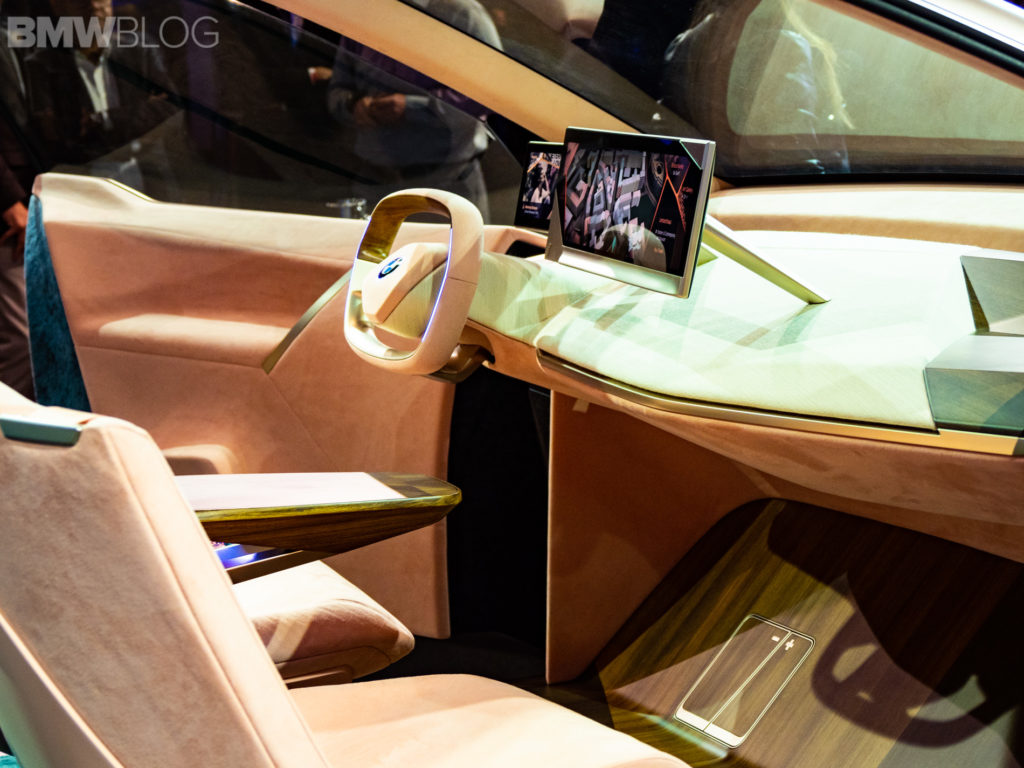 With the 2021 iNEXT, BMW aims to deliver a car like no other in its range today. ...
BMW is studying human behavior and how we interact with one another and wants the personal assistant on board the BMW iNext to work like a friend instead of a computer. In that regard, the car’s software will know how to read your body language and actual words to figure out what to do. The video below shows that thanks to a virtual reality simulation. In the video, a person is going for a joyride and admiring the scenery.
That’s probably going to be possible as BMW is promising Level 4 autonomous functions on the iNext, which allow you to take your hands off the wheel and your eyes off the road completely. Then, just by pointing at things you look at, you can give your car various commands.
See the full story here: https://www.bmwblog.com/2019/02/27/video-jump-in-the-bmw-inext-thanks-to-virtual-reality/
We’ve Been to Star Wars: Galaxy’s Edge and Life Will Never Be the Same
This is a lengthy mid-c0nstruction walk-thru with lots of images!
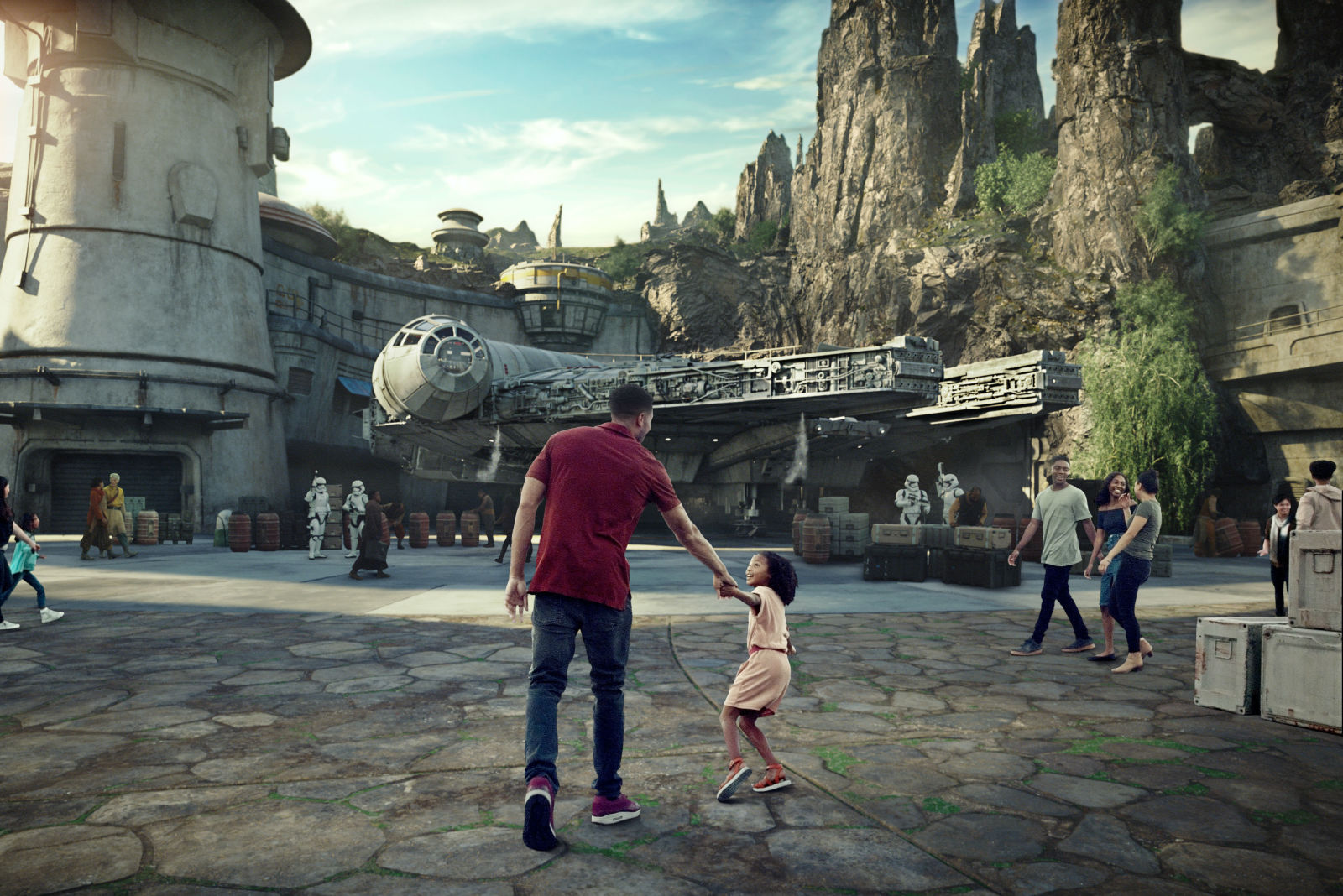 https://io9.gizmodo.com/weve-been-to-star-wars-galaxys-edge-and-life-will-never-1832878349
“Designing” A Successful Career Path: UX As A Profession
 It is imperative that those on the verge of deciding a career path consider UX/UI as a prospect after reading this article, because it is not just a design approach – rather it is a communication process which will reap huge benefits both for professionals and users in the long run. The digital realm has transcended business ideology from customer service to ‘customer experience’, offering engagement through customization and personalization.
[The article contains brief descriptions of these careers;]
- User Research
- Usability Analyst
- Information Architect
- Interactive Designer
- Visual Designer
- UX Designer
See the full story here: http://bweducation.businessworld.in/article/-Designing-A-Successful-Career-Path-UX-As-A-Profession/27-02-2019-167600/
Why augmented reality is the future of smart toys
PaiBotz
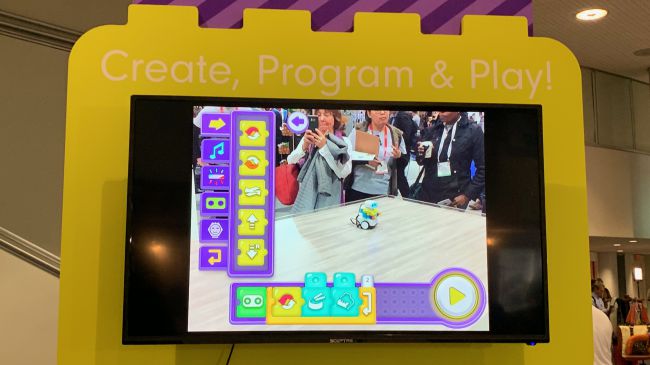 A lot of parents are looking to cut down on kids' screen time; an entire Toy Fair panel titled "Screenless Is In" was devoted to covering tech toys that don't use screens. So it's safe to say that toys with corresponding AR apps aren't going to be popular with parents unless they combine recreation with learning.
PaiBotz is one such toy that strikes that balance. It teaches young children about Block-based coding languages and techniques like sequencing and looping. But not just through the AR app shown above, but also through the 150 physical building blocks your kid will use to build and rebuild the robot.
Pictionary Air
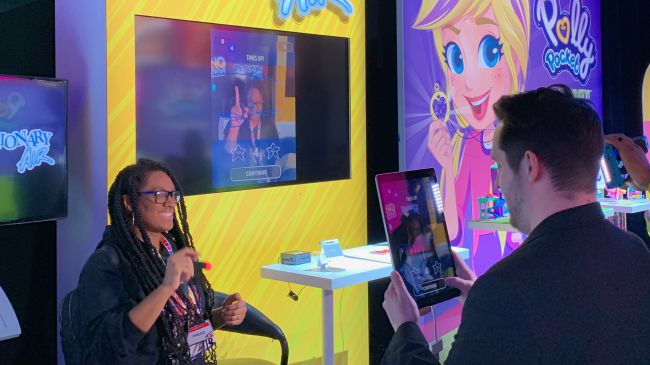 At the other end of the spectrum from the highly independent Hidden Side LEGO sets, Pictionary Air relies entirely on augmented reality tech for its playing experience: You draw in the air using a light-tracked pen, in front of someone holding a phone or tablet camera. The camera tracks your drawing and projects it onto the screen for everyone else to see, and they guess what you're drawing.
See the full story here; https://www.techradar.com/news/why-augmented-reality-is-the-future-of-smart-toys