Fornite’s revenue dropped 48% in January, but the lull won’t last long
 While a 48 percent revenue drop might sound like a mortal wound, the game’s unique sales model and seasonal trends mean that we shouldn’t start prepping any Fortnite obituaries any time soon. With a free-to-play model, Fortnite relies on in-game purchases of digital goods like dance animations and elaborate character skins to drive revenue. With no recurring subscription fees apart from quarterly season passes, Fortnite’s revenues were never going to track a more traditional game’s numbers.
Case in point: Fortnite maker Epic looks to have socked away $3 billion in profit over the course of last year. By November, data from Sensor Tower estimated that Fortnite players were spending $1.23 million a day just on iOS. Given Fortnite’s platform agnosticism, that’s just one stream of many, from mobile to console to PC.
For Fortnite, a dip in revenue also doesn’t necessarily indicate declining user numbers or less play overall — it just means people were less likely to spend money on virtual goods. Those purchases are purely cosmetic and don’t confer a meaningful competitive advantage, so it’s kind of a strange metric to judge the game’s overall current health, though obviously an important one for the business of the game.
See the full story here: https://techcrunch.com/2019/02/25/fortnite-january-revenue-report/
Cinemark’s CEO On VR, Esports And The Future Of Movie Theaters
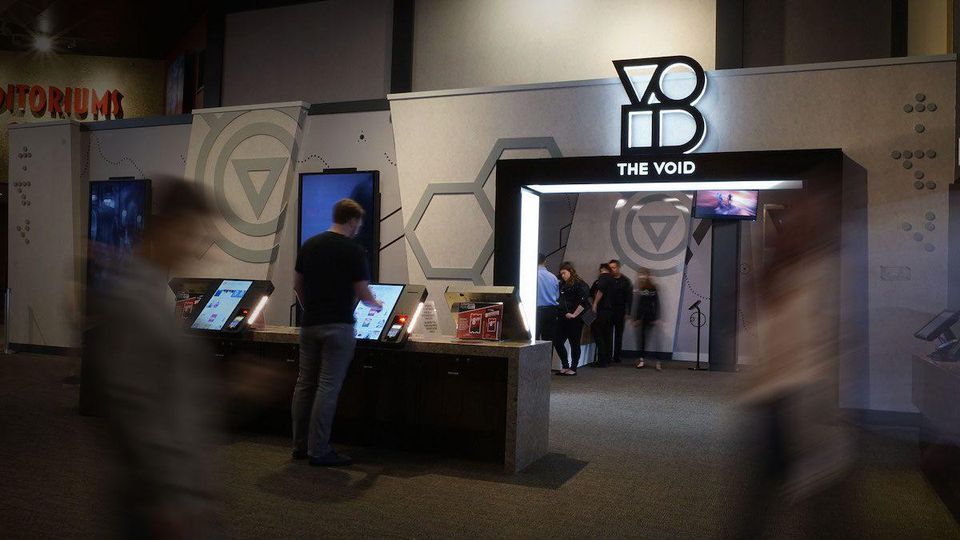 To be sure, Zoradi said, Cinemark is still showing lots of movies, lighting up a film 27,000 times a day across 6,000 screens in most every country in the Western Hemisphere. But the chain is doing a lot of other things too, trying to find new ways to entice people to come, stick around, and spend more money.
The sexiest experiment might be with virtual reality. Earlier this month, Cinemark opened its second VR experience, this one built by SPACES and based on the Terminator franchise. That launched in a new facility in the lobby of a 20-screen complex in San Jose, Calif.
The Void also built its own haunted-house experience, Nicodemus, that it was able to switch over to every evening during the Halloween season in about 45 minutes.
"I’m very optimistic about it, but I still put it in the category of R&D," said Zoradi, with a much more cautious embrace of VR's potential than many early adopters, or even Dave & Buster's, whose Jurassic World Expedition proved a big hit last summer for that restaurant chain/arcade operator.
"We’re waiting to see what happens in months seven through 12," Zoradi said.
...the company believes one key for in-theater VR installations is to make sure they are "front and center in the lobby," instead of tucked away in Screen 18 in the back of the facility.
The company has been experimenting with other kinds of new technologies too, especially esports. It made a small investment in Super League Gaming, which runs two kinds of gatherings in Cinemark theaters.
In the afternoon, Super League runs tournaments built around Microsoft's huge Minecraft franchise, focused on the tween set of Under-12 gamers. Later in the day, the tournaments shift to teens and older gamers playing Riot Games' League of Legends and Supercell's Clash Royale.
That too, remains an experiment, if a more broadly conducted one across perhaps 25 Cinemark facilities, Zoradi said.
...
That said, all is not lost when it comes to movie-watching by teens and 20-somethings.
Indahash, an international content-marketing platform, surveyed 1,300 influencers about their movie-going preferences and found that though most said they go to theaters less often since the rise of Netflix and other online streaming sites, 65 percent still see a movie in a theater once a month. About one in seven say they still go to movies at least three times a month. That's an opportunity.
But it's important to change the way people think about theaters, Zoradi said. The VR and esports experiments will help a lot in changing perceptions, particularly if they lead to sustainable business models for Cinemark and other theater chains.
See the full story here: https://www.forbes.com/sites/dbloom/2019/02/25/cinemark-ceo-mark-zoradi-virtual-reality-esports-theaters-movies-film/#44c738101ec3
Microsoft Unveils New HoloLens 2 Augmented Reality Headset— and Makes a Big Promise to Users
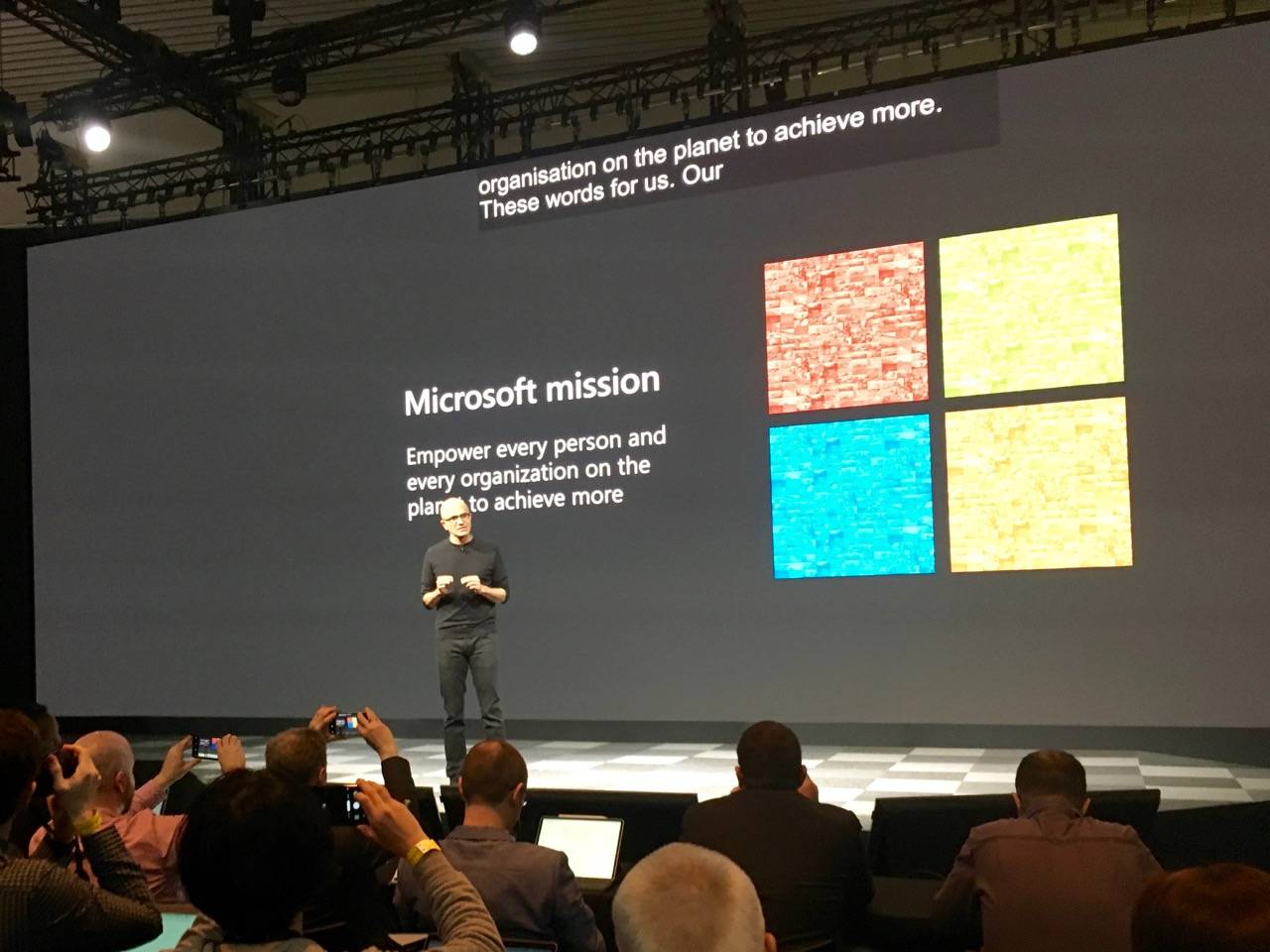 Microsoft has unveiled the second generation of its augmented reality headset, HoloLens 2, a lighter, more capable, and slightly cheaper version of the original that it released three years ago.
But perhaps most significantly, Microsoft on Sunday also promised that it was committed to openness in the “core principles” of its mixed reality efforts. Specifically, this means that Microsoft’s hardware would work with the software of other companies and that other developers could create their own app stores for the HoloLens—stores where Microsoft presumably wouldn’t get a cut of every sale.
“The walls that make our world feel divided make our world feel broken,” Alex Kipman, Microsoft’s technical fellow for artificial intelligence and mixed reality who helped invent HoloLens, said at the Mobile World Congress in Barcelona. “As members of the mixed reality community, we want the future to be open—open to your creativity, open to your ideas, open to your vision. Now imagine what we could accomplish as a mixed-reality community when barriers are removed and we transition from walled gardens to a communal garden.”
Microsoft also said the HoloLens environment would be open to web browsers from other companies. Mozilla’s Firefox is already developing a competing browser, Microsoft announced.
Microsoft doubled the field of view in the HoloLens, meaning the holograms can spread across more of the user’s field of vision, as well. The new model, which is mainly aimed at corporate users and developers, will cost $3,500, down from $5,000 for the original commercial model which debuted in 2016.
See the full story here: http://fortune.com/2019/02/24/microsoft-hololens2-augmented-reality/
Magic Leap’s ideas for a ‘spatial internet’ could be a glimpse of our 5G future
 See the full story here: https://mashable.com/article/5g-magicverse-magic-leap/#qqmVO6H63uqu
Group of employees calls for end to Microsoft’s $480M HoloLens military contract
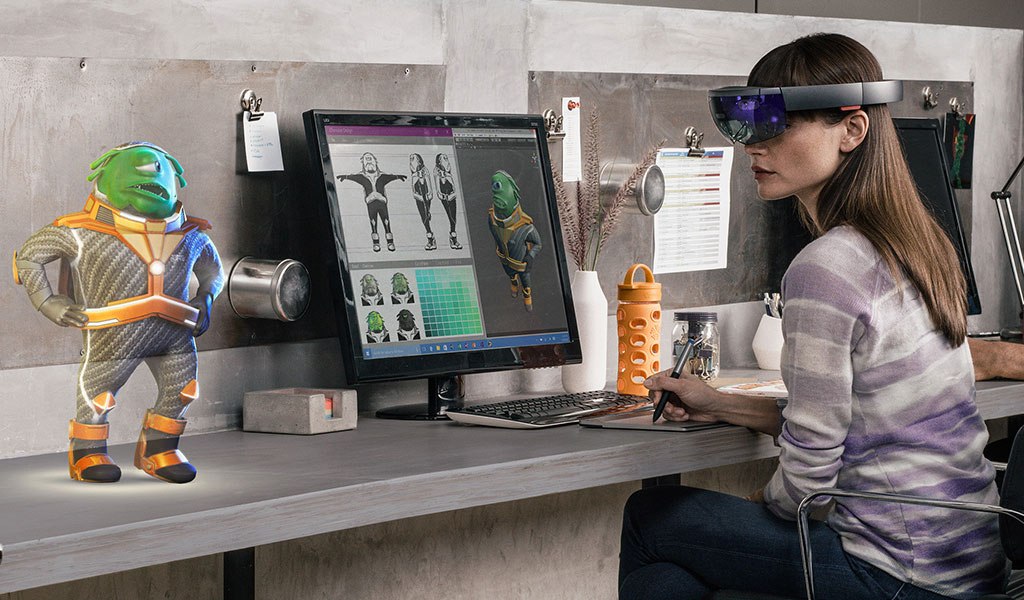 More than 100 Microsoft employees have signed a letter sent to CEO Satya Nadella and President Brad Smith criticizing the company’s plans to build HoloLens AR tech for the military, the organizing group said Friday. The development is part of a $480 million military contract that Microsoft won this past November.
The group’s letter demands that the company cancel their work on the contract and cease development of weapons technologies. “We did not sign up to develop weapons, and we demand a say in how our work is used,” the letter further states.
Microsoft has been focusing its augmented reality efforts on enterprise customers but had aggressively pursued the military contract, beating out other applicants including billions-backed startup Magic Leap. The contract is essentially a pilot program to begin outfitting the U.S. military with augmented reality visors and software tools to help with training and combat.
The letter protesting the nearly half-billion-dollar deal came just a couple days before Microsoft was expected to release a second-generation HoloLens at an event in Barcelona.
See the full story here: https://techcrunch.com/2019/02/23/group-of-employees-call-for-end-to-microsofts-480m-hololens-military-contract/
Steam now supports NextVR’s virtual reality broadcasts
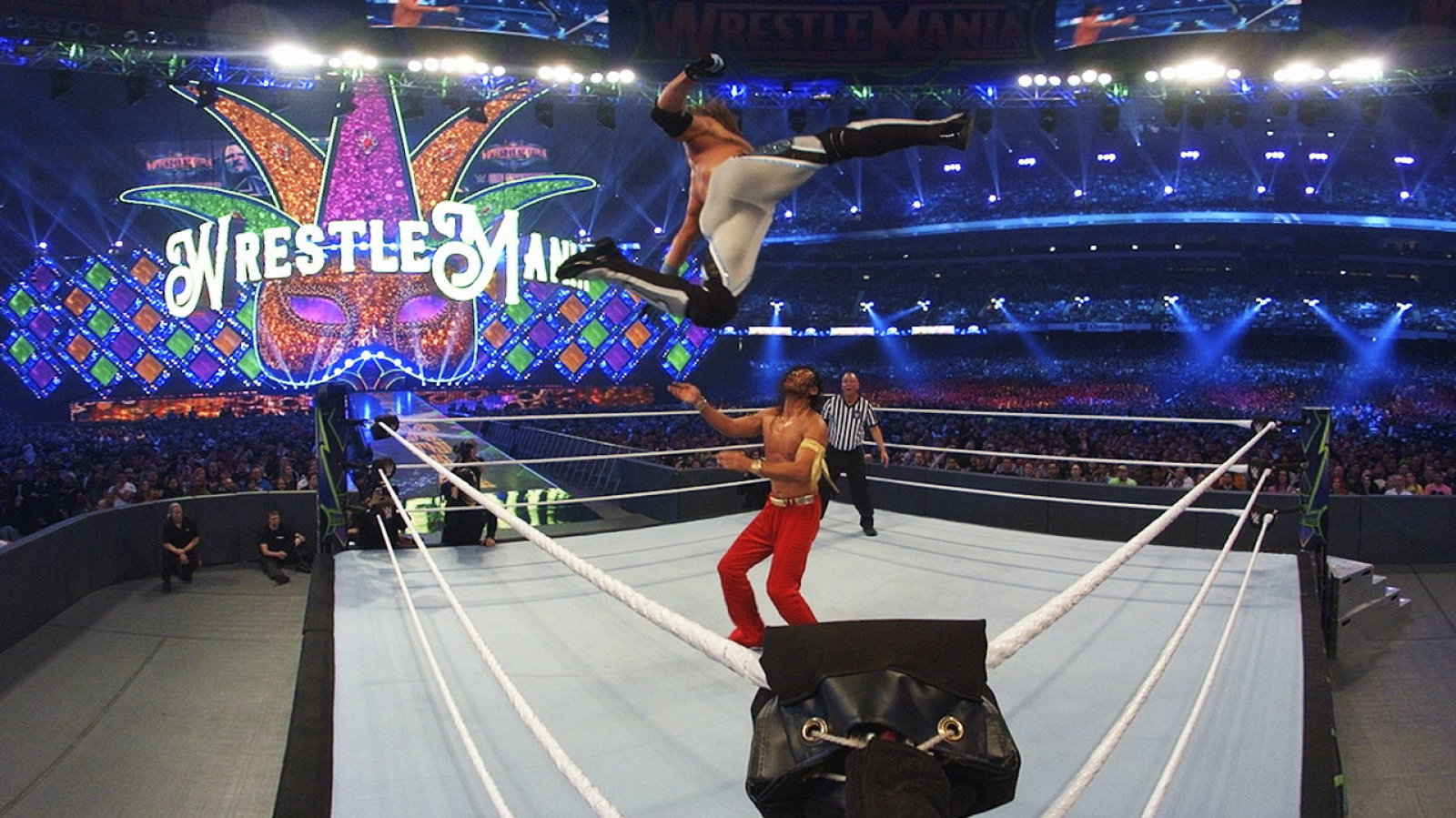 The Steam version of the software works with the Oculus Rift, the HTC Vive and Windows Mixed Reality devices. NextVR rolled out an iteration of the app for the Rift late last year, and it has supported the Vive and Windows Mixed Reality headsets longer than that. Its arrival on Steam means users don't have to download it from the headsets' app stores, though, such as HTC's Viveport, which used to be infamously buggy.
David Cole, NextVR CEO, said in a statement:
"NextVR is driven to engage the largest possible audience to experience our content in virtual reality. Steam is a critically important platform to reach active virtual reality users. We're excited to put our unparalleled live sports and entertainment experiences at the fingertips of the vibrant Steam user-base."