Palestine Techno Park launches virtual/augmented reality lab
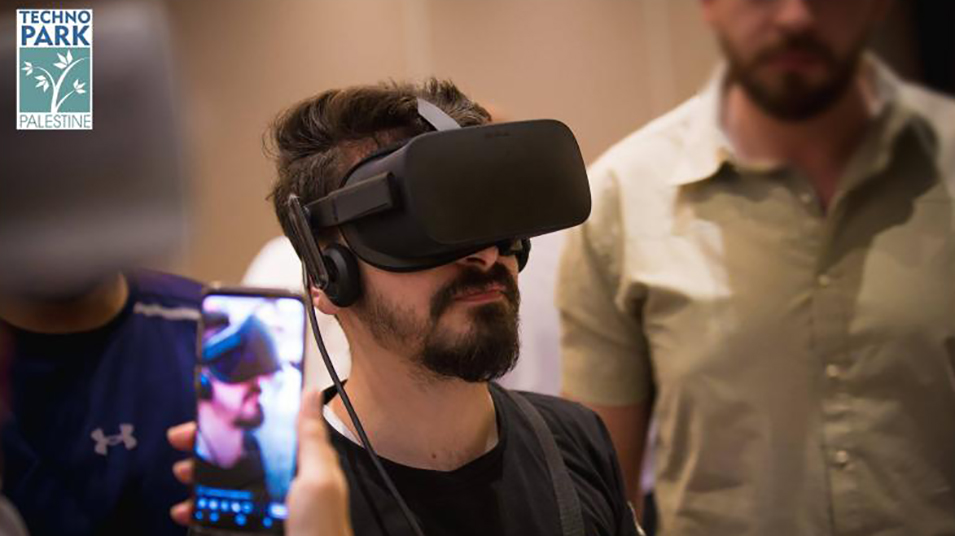 The integrated training program is part of the Palestine Techno Park’s efforts to promote newly-developed VR and AR technologies in Palestine by holding and organizing a number of courses, seminars, and workshops on the topic. The first of these workshops, “Virtual Reality and Journalism,” was held in November of 2018 with a focus on integrating VR technologies within news media reporting.
Beginning in February of 2019, the Palestine Techno Park will amplify its efforts to promote VR and AR by holding monthly workshops and courses that each highlight applications of these technologies in specific fields, such as education, tourism, and medicine.
See the full story here: https://www.birzeit.edu/en/news/palestine-techno-park-launches-virtualaugmented-reality-lab
How 3 Augmented Reality Hardware Startups Are Preparing for the Consumer Market
Focals by North
North actually released its consumer AR glasses, simply dubbed Focals, late last year. The company still used CES as a kind of public coming-out, and showed off one of the most polished takes on AR eyeware yet. Focals look and feel just like a pair of regular glasses, and even come with multiple frame designs.
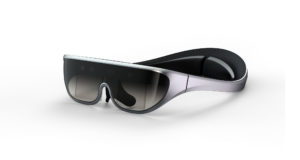 Project Aurora
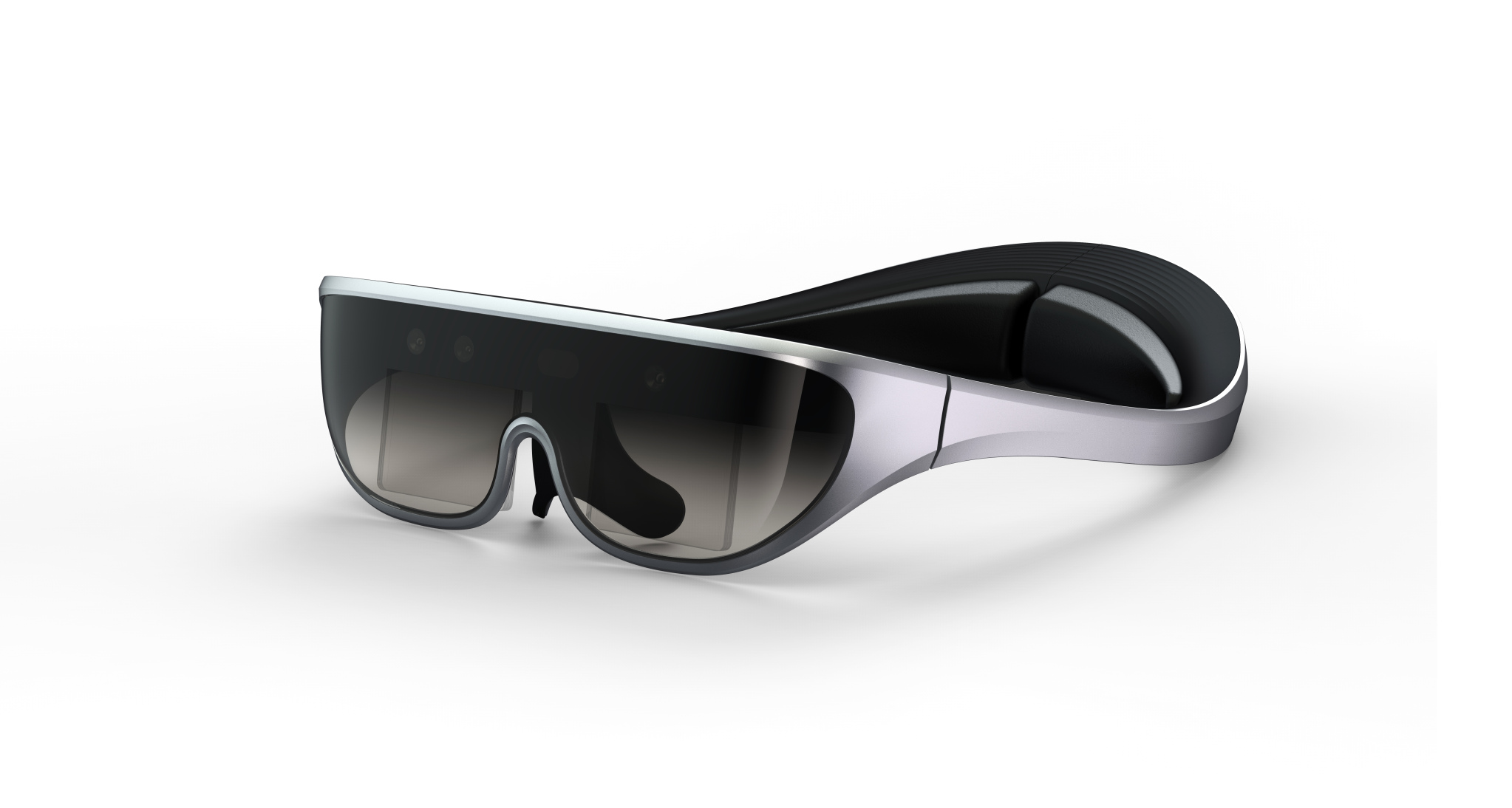
Chinese consumer electronics upstart Rokid, which is also active in the smart speaker and voice assistant space, showed off two different pairs of glasses at CES: A productized version of its first-generation model dubbed Rokid Glass, which includes a camera and offers facial and object recognition technology, and a new consumer prototype.
Nreal Light
Some of the biggest names in AR, including Microsoft with its Hololens and Magic Leap, were virtually absent from CES. That gave others a chance to steal the spotlight, and no other company was as successful at this than Nreal with its Light glasses. Positioned as a more stylish Magic Leap competitor, Nreal showed off an impressive demo reel of 3D AR experiences.
See the full story here: https://variety.com/2019/digital/news/ces-2019-ar-headset-startups-1203107460/
CES Takeaways for AMD and Intel, Alibaba and JD.com and Augmented Reality
 2. Augmented Reality Headsets Are Getting Much Better
We're still not at the point where a mass-market for AR headsets is ready to emerge. But considering how much better the state of the art looks relative to 2016 or 2017, the arrival of one in a couple years' time doesn't seem so far-fetched.
I'll second much of The Verge's praise for Chinese startup Nreal's Nreal Light headsets: With the help of Qualcomm's (QCOM - Get Report) Snapdragon 845 processor (launched in 2018), a relatively large 52-degree field of view (FOV) and lenses projecting content at a 1080p resolution per eye at 60 frames per second (fps), the Nreal Light's visuals easily topped those of startup Magic Leap's One headset as well as Microsoft's (MSFT - Get Report) first-gen HoloLens, which features a relatively modest 35-degree FOV and a resolution of 1268x720 per eye.
Also deserving attention: Hong Kong startup RealMax's Qian headset, which runs on a Snapdragon 835 and supports an impressive 100-degree diagonal FOV to go with a resolution of 1080p per eye. With an FOV similar to that of many VR headsets, RealMax states Qian users can switch between AR and VR modes.
Neither headset is perfect.
4. Alibaba and JD.com's Tech Investments Are Not Being Fully Appreciated
China's online retailers were both eager to use CES to show off tech strengths that U.S. tech observers might not be familiar with. Alibaba (BABA - Get Report) dedicated plenty of space to devices supporting its AliGenie personal assistant, and also had a Volvo S60 featuring an infotainment system powered by its YunOS operating system.
And at a conference where Google unveiled a new interpreter mode for Assistant, Alibaba ran a video call demo in which participants speaking different languages automatically had their remarks translated and shown in the other participant's language.
See the full story here: https://www.thestreet.com/opinion/ces-takeaways-for-amd-intel-alibaba-and-more-14832467
Nreal Banks $15 Million in Funding to Produce Fashionable Smartglasses with Plane Detection & Object Recognition
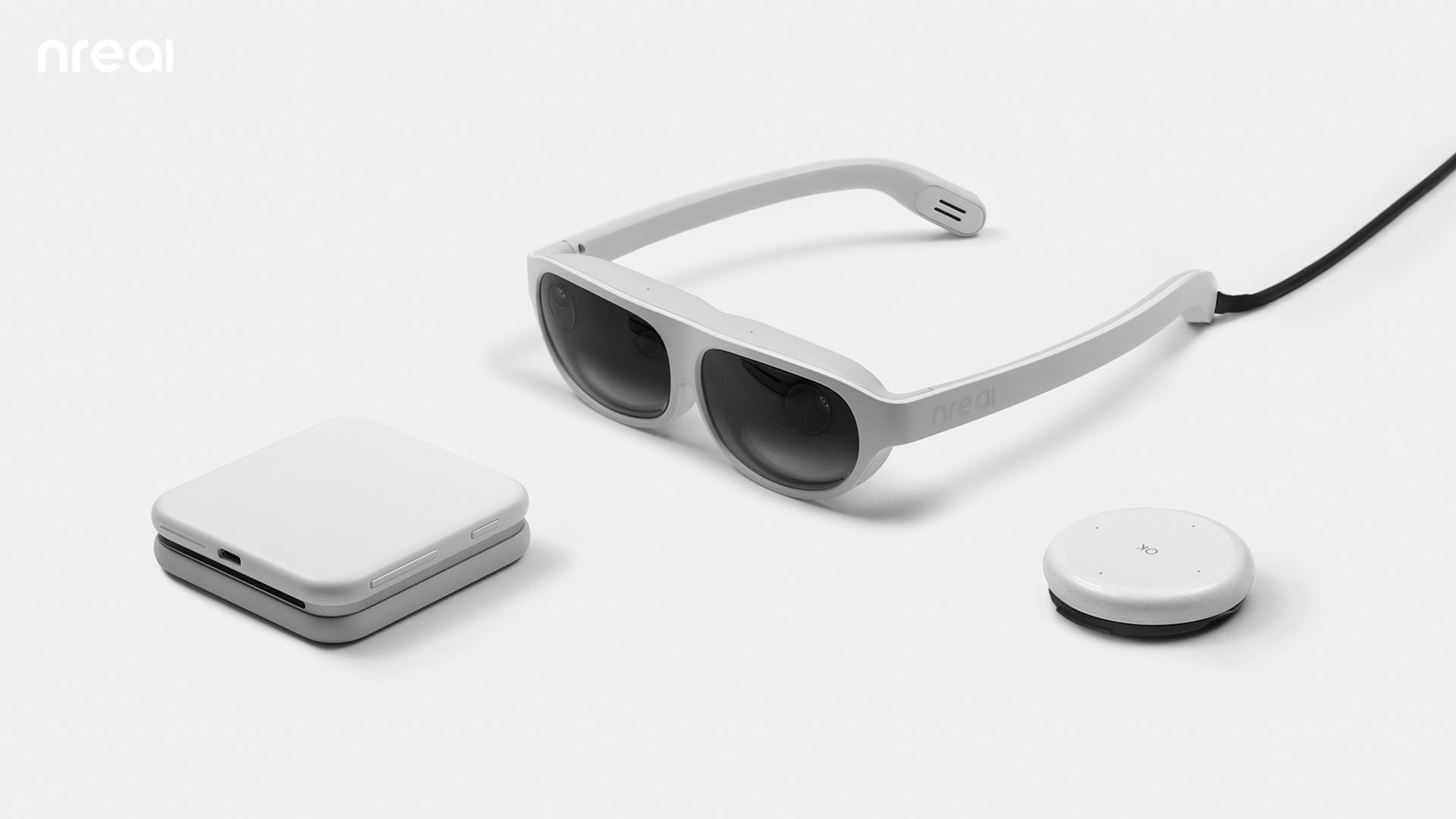 The emerging narrative as CES begins is that consumer-grade smartglasses require a heavy compromise in functionality in order to arrive at a form factor and price point that appeal to mainstream customers.
China-based startup Nreal is ready to subvert those expectations with Nreal Light, stylish smartglasses available in a variety of colors that match North Focals and Vuzix Blade in form factor, but with features more similar to those found on high-end AR headsets.
We are optimistic to the 'fourth screen' and looking forward to shaping the future entertainment experience with more partners such as Nreal."
Announced at CES 2019, Nreal Light weighs in at less than 85 grams (or nearly three ounces), yet the smartglasses offer 52 degrees field of view and 1080p display resolution, along with environmental mapping capabilities via two cameras and sensors in a sleek package. Nreal Light also includes stereo speakers for spatial audio and dual microphones for voice commands in its slim form.
Nreal offloads computing power to a tethered computer pack running on Qualcomm's Snapdragon 845 chipset. However, while Magic Leap One is permanently tethered to its Lightpack, Nreal Light is also capable of plugging into other devices with USB-C connectivity.
There are still a couple of missing pieces of the puzzle for Nreal Light, namely price and availability, but, if it can deliver on affordability and better performance, then we may have a contender on our hands.
See the full story here: https://next.reality.news/news/nreal-banks-15-million-funding-produce-fashionable-smartglasses-with-plane-detection-object-recognition-0192339/
Future of cars includes watching a movie while your car drives you to work and turning your car into a Disney theme park with VR
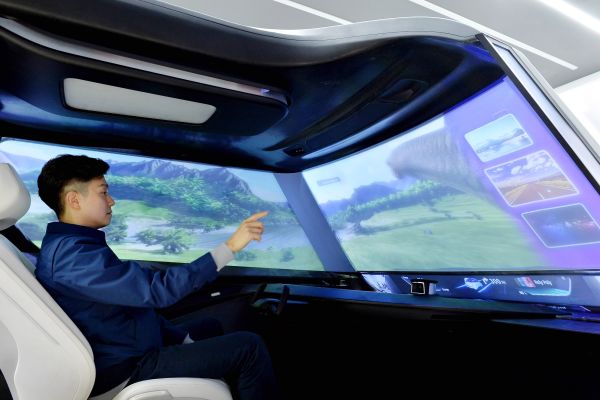 Other features on display among the autonomous vehicles at CES this year include the "car of tomorrow" displayed by Hyundai's Mobis division. The South Korean company is showing off a concept car that features "Virtual Touch," a gesture-based system that would allow the car's driver and passengers to point their fingers or wave their hands to navigate an interactive screen in the vehicle's windshield.
BMW gets touchy-feely
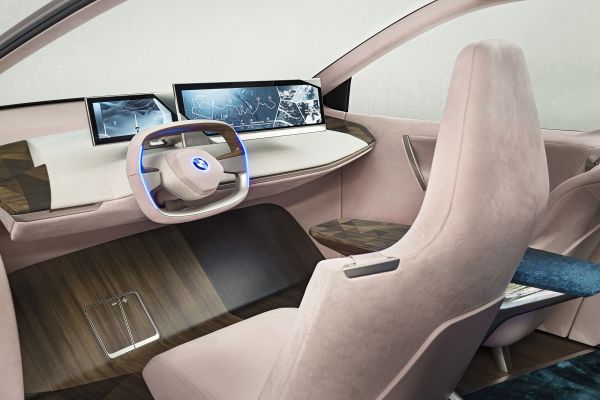
Byton
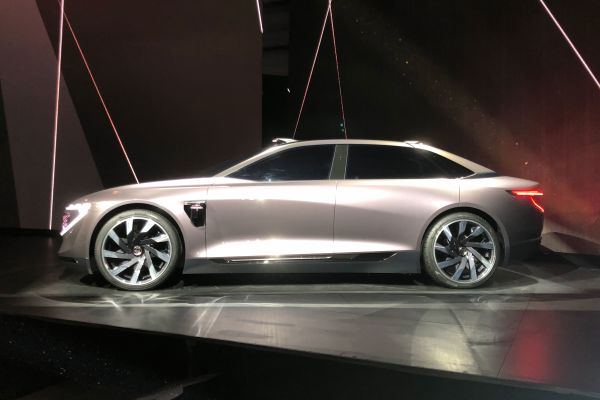 China's Byton showed off its M-Byte electric vehicle, which offers Level 3 autonomy (allowing drivers to go hands-free on most highways, while remaining ready to take the wheel in an emergency) and comes with a 48-inch touch screen that stretches across the car's dashboard. Byton is also displaying its K-Byte premium sedan, which also features large touch screens and will offer Level 4 autonomous driving (meaning you could conceivably complete an entire trip without a human touching the wheel) by 2021.
See the full story here: https://www.cnbc.com/2019/01/10/at-ces-2019-self-driving-cars-with-vr-and-facial-recognition.html
Why 2019 Was The Best Year For AR And VR At CES
Focals by North was much talked about and their booth was mobbed. I had a chance to sit down with co-founder Aaron Grant, and give Focals a try. The system projects simple things like text messages and directions. It's fashionable, light, and can be fitted with prescription lenses in one of their two stores in Brooklyn and Toronto.
As I wrote in my CES preview, I've been living with the Vuzix Blade, a monocular display which look like regular sunglasses until you get up close. Vuzix CEO Paul Travers showed me a prototype for version two which really does look a sunglasses.
It's to be released at the end of the month, just a few weeks from now. While enterprise remains their main market, Vuzix believes the low price point and growing app ecosystem will attract consumers as well.
The Realmax has an astonishing 100.8 degree Field of View (FOV) and is multi-player. This is a $2,900 Developer Version. The company plans to release a $1,500 model later this year. 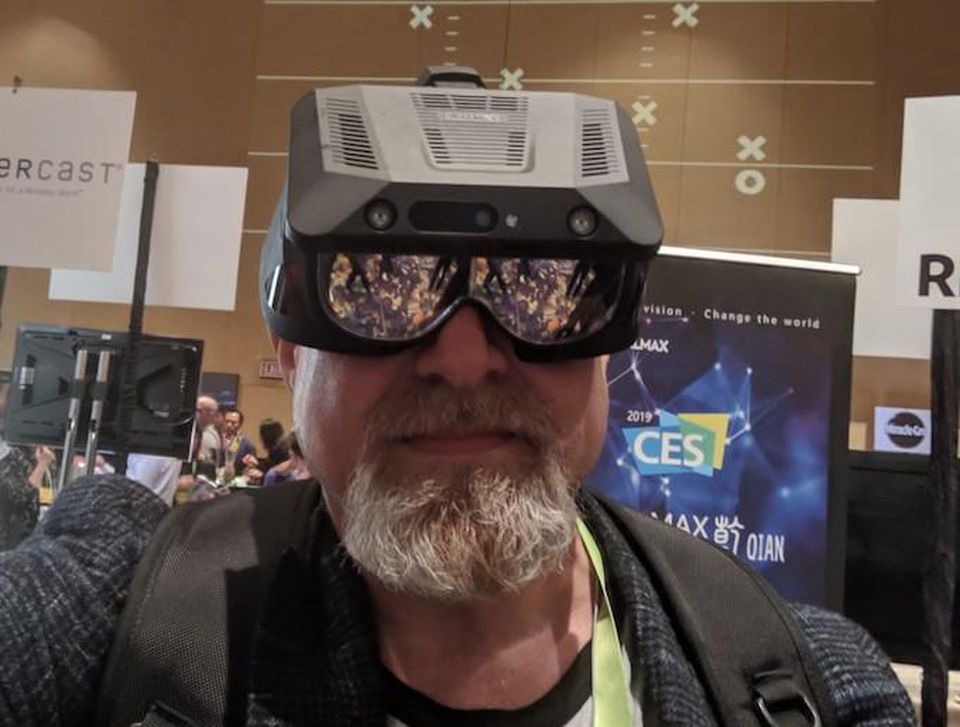
See the full article with many more HMDs here: https://www.forbes.com/sites/charliefink/2019/01/14/why-2019-was-the-best-year-for-ar-vr-at-ces/#6e8541059e35
Virtual Reality Will Take Big Steps Forward in 2019
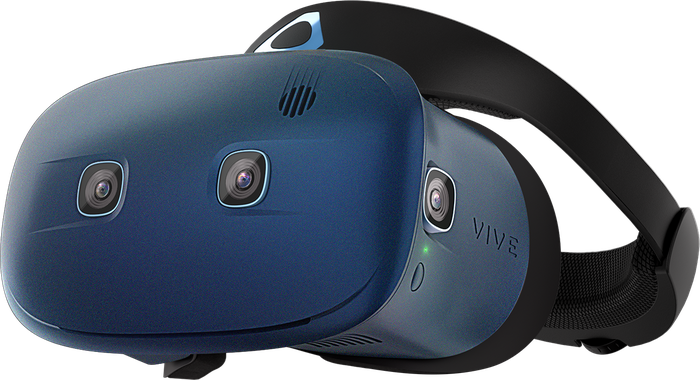 The stakes for VR in 2019 are high given the place the industry is in today. If adoption rates increase and Quest or Cosmos begin to be more common in homes and businesses, the future is bright for virtual reality as an industry.
But if the adoption cycle remains slow, the industry could stagnate. New high-end VR headsets only come out every few years, so this is an important product cycle. Slow adoption would mean slower content development, which could result in a downward cycle for everyone in the industry.
See the full story here: https://www.fool.com/investing/2019/01/13/virtual-reality-will-take-big-steps-forward-in-201.aspx
5G Is Coming: So What Does This Mean for Music (If Anything)?
 One quick possibility is that higher-fidelity streams can be consumed more readily, and production collaboration could be catapulted. Another impacts the live experience: with a 5G connection, companies like BASE Hologram, which has produced hologram shows featuring Amy Winehouse, Roy Orbison, and Maria Callas, could upgrade these experiences and bring them to broader audiences.
The advent of 5G could also impact VR/AR concerts, with immersive experiences suddenly more realistic and realtime. But even without VR, performance collaborations in realtime could become strikingly like the real thing. Here’s one 5G-distributed music concert experiment involving performers from separate locations.
See the full story here: https://www.digitalmusicnews.com/2019/01/13/5g-music/
Doctoral treats and moneyed scientists
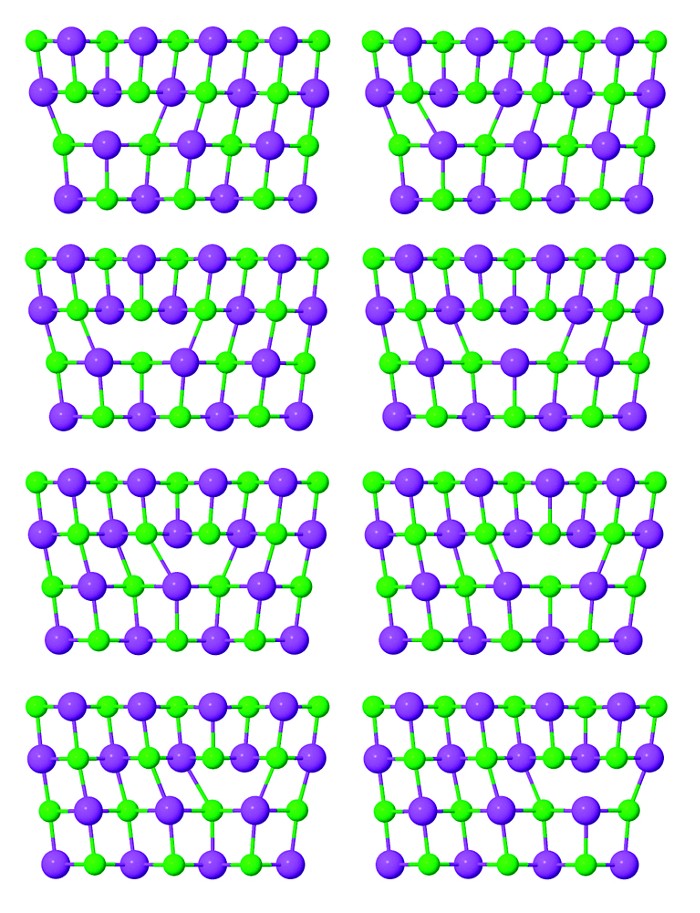 Using the flipbook package for LaTeX, the program he used to write and lay out his thesis, Thompson added the simple schematic to the margins of his pages. And was his hard work noticed? While it wasn’t mentioned during his PhD defense, one of his examiners congratulated Thompson on the images afterward.
Andre St. Amant, now at Harvard University, admitted to using a Game of Thrones quotation to describe cyclopentadienes, while Andryj Borys used relevant lines from different Arnold Schwarzenegger films in each of his chapters. More romantically, Twitter user @KalliC used her thesis title “For the Love of SAM” to refer to the analogs of S-adenosyl methionine that she worked with and her wife’s first name.
Future British chemists who want to add a bit of currency to their theses, as a reward for themselves or another reader, could also add a bit of science if they use a new scientific £50 note. The Bank of England recently asked the public to nominate scientists to be featured on the next design of the note, the largest denomination in the UK. In total, nearly 1,000 eligible scientists were nominated, and the chosen scientist will be announced this summer.
See the full story here: https://cen.acs.org/education/graduate-education/Doctoral-treats-moneyed-scientists/97/i2