What to expect from CES 2019 From 5G to TVs, here are the trends to expect
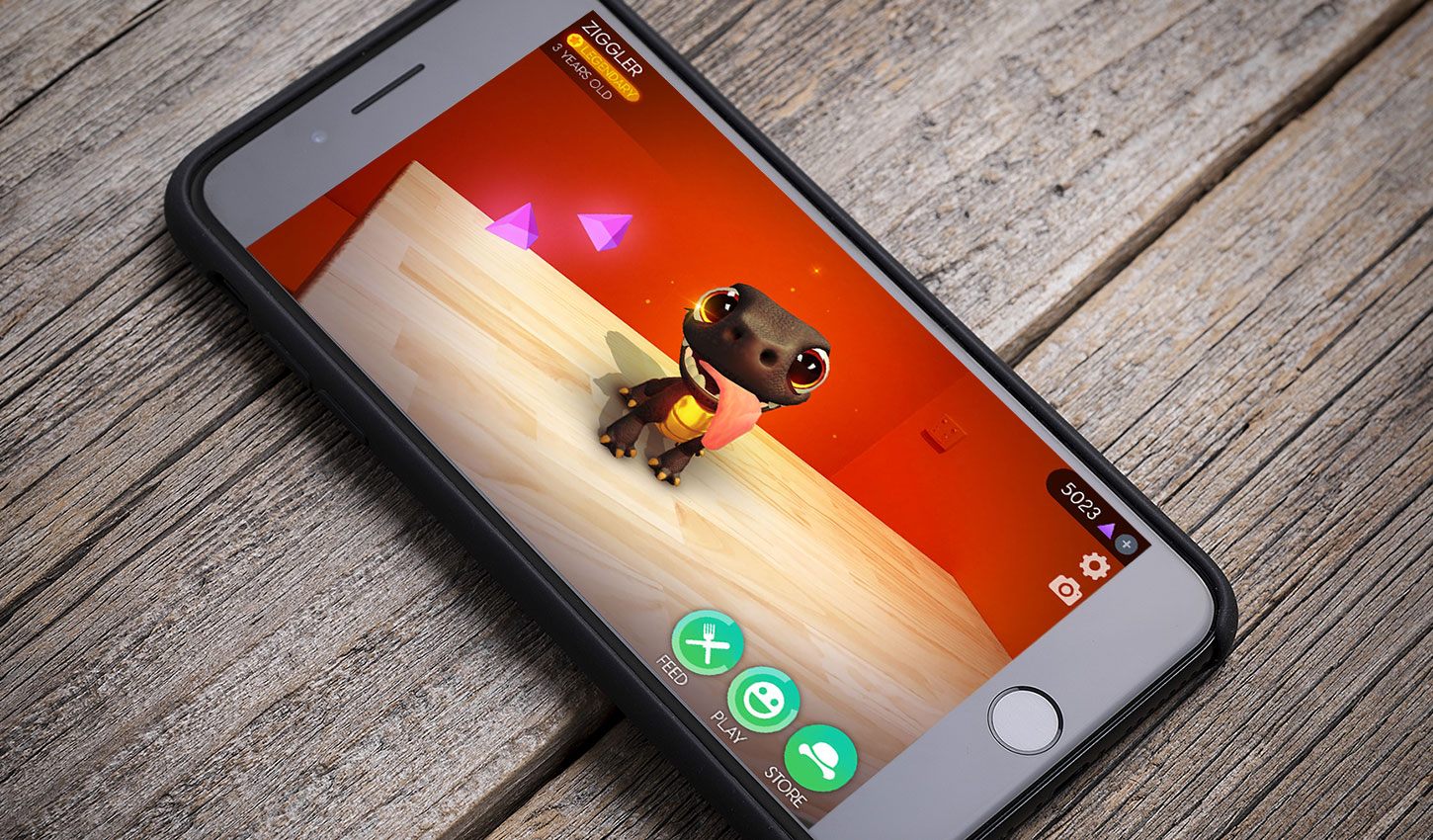 Barring any unforeseen trends, VR’s going to mostly have to sit this one out. We’ll likely see a trend toward cheaper, standalone headsets à la the Oculus Go, but most companies are currently a lot more interested in what augmented reality holds in the short-term.
AR’s immediate future is two-pronged. Most developers are focused on leveraging existing devices like smartphones and tablets, using ARKit/ARCore. But a number of headsets/glasses have already begun to pop up on the periphery. Expect plenty of these to be on display at the show as startups attempt to convince us that it’s an experience we need to bring directly to our collective faces.
See the full story here: https://techcrunch.com/2018/12/31/what-to-expect-from-ces-2019/
This clever AI hid data from its creators to cheat at its appointed task
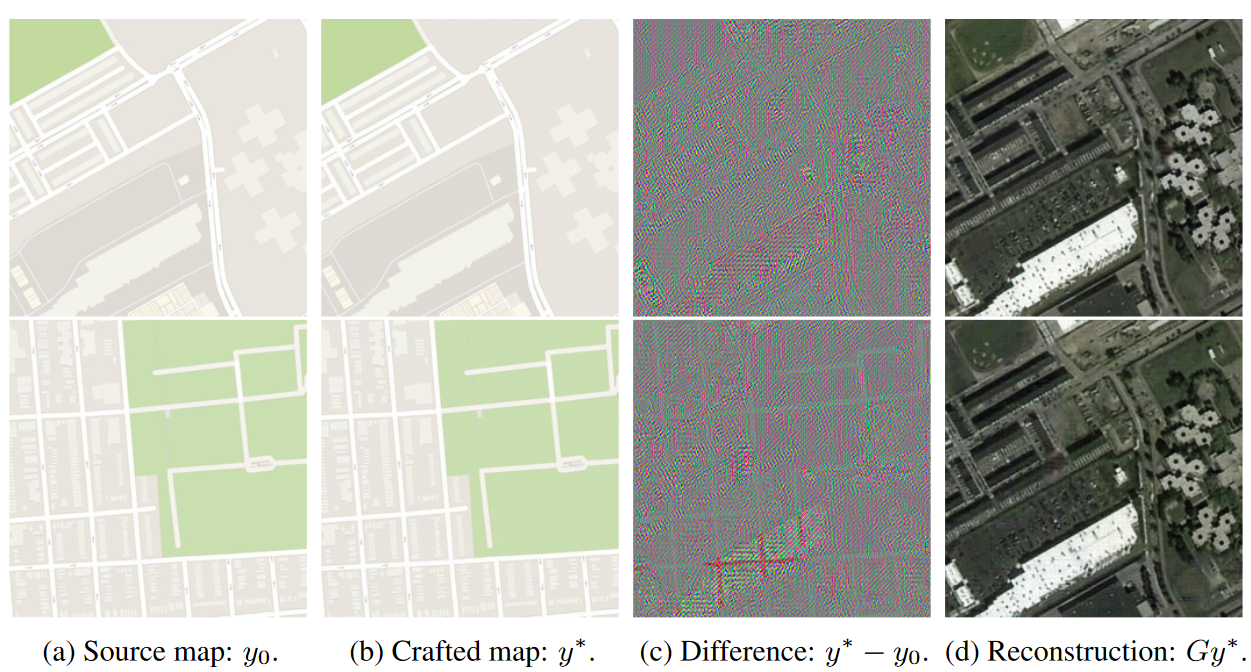 This practice of encoding data into images isn’t new; it’s an established science called steganography, and it’s used all the time to, say, watermark images or add metadata like camera settings. But a computer creating its own steganographic method to evade having to actually learn to perform the task at hand is rather new. (Well, the research came out last year, so it isn’t new new, but it’s pretty novel.)
One could easily take this as a step in the “the machines are getting smarter” narrative, but the truth is it’s almost the opposite. The machine, not smart enough to do the actual difficult job of converting these sophisticated image types to each other, found a way to cheat that humans are bad at detecting. This could be avoided with more stringent evaluation of the agent’s results, and no doubt the researchers went on to do that.
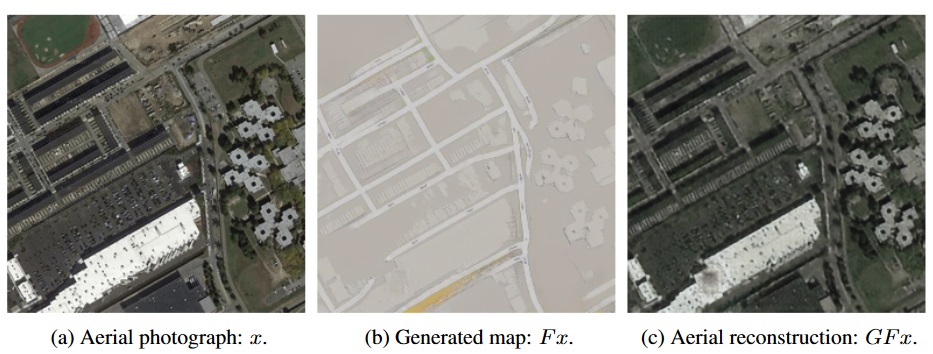 The paper, “CycleGAN, a Master of Steganography,” was presented at the Neural Information Processing Systems conference in 2017.
See the full story here: https://techcrunch.com/2018/12/31/this-clever-ai-hid-data-from-its-creators-to-cheat-at-its-appointed-task/
VIRTUAL REALITY AMUSEMENT PARK OPENS IN CHINA
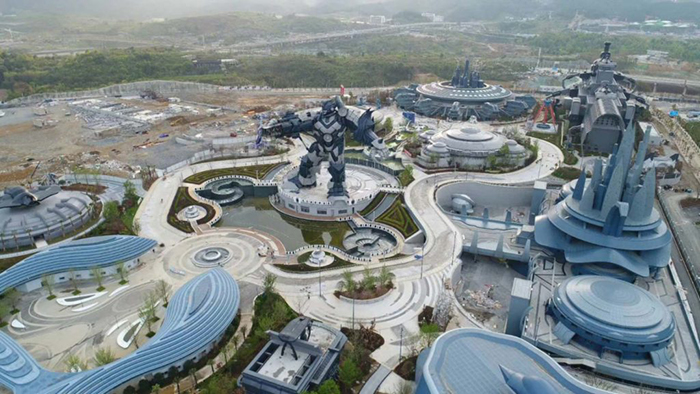 A new virtual reality (VR) theme park has opened in Nanchang, the capital of eastern China's Jiangxi Province. It is attracting thousands of visitors every day according to a number of Asian media outlets.
The park covers 13,000 metres2, accommodating 120 sets of advanced VR amusement equipment imported from the United States, Germany, Britain and Switzerland.
"Wearing equipment, visitors can experience exciting games, such as deep sea exploration, flying and jungle bungee jumping," said Wang Xiaoqing, Vice General Manager of the park.
"We had a full-immersion experience. It felt like we were really there," said Wang Shicheng, a citizen, who brought his child to the amusement park and played VR games including deep sea diving and spacewalk.
...
In the rush to embrace VR, the province of Jiangxi in 2016 launched China's first industrial base for VR, and the city of Nanchang now boasts over 200 VR-related firms.
Nanchang hosted the 2018 World Conference on the VR Industry in October, featuring VR, the latest VR products, artificial intelligence and 5G technology.
...
Spanning 330 acres, the park contains 35 virtual reality rides, including spaceship tours, virtual roller coasters, and shooter games. There are no traditional coasters at Oriental Science Fiction Valley, but there are sci-fi-inspired castles and giant robots positioned throughout the grounds.
“There’s fierce competition in the theme park market right now,” said Oriental Science Fiction Valley Chief Executive Chen Jianli.
“We are trying to give customers a new experience by combining modern technologies such as VR and [augmented reality] with traditional recreational facilities. The sci-fi part of it is important for the feeling it creates.”
See the full story here: https://www.ausleisure.com.au/news/virtual-reality-amusement-park-opens-in-china/
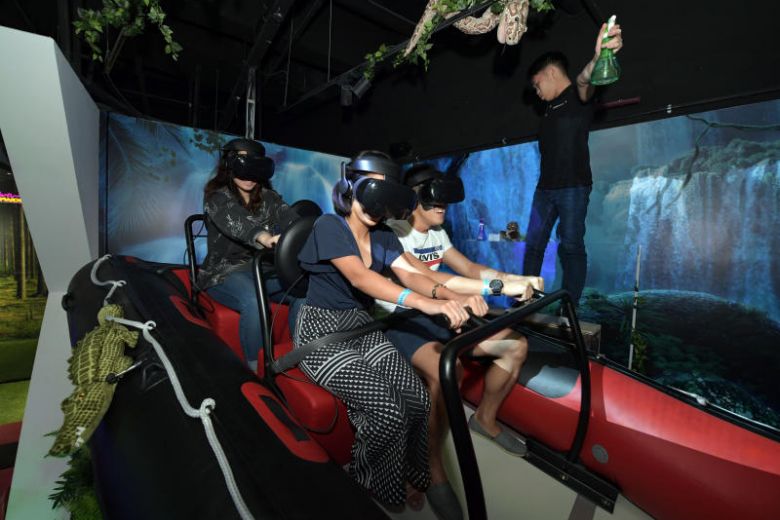
Virtual reality at HeadRock VR theme park on Sentosa is real enough to thrill
See the full story here: https://www.straitstimes.com/lifestyle/entertainment/virtual-reality-at-headrock-vr-theme-park-on-sentosa-is-real-enough-to
The Verge 2018 tech report card: AR and VR
2018 was partly a year of disillusionment. Some prominent AR and VR companies, including Meta, Jaunt, and Starbreeze, either massively downsized or shifted their focus. As the head of CCP Games put it in October, a year after leaving the VR business, “we expected VR to be two to three times as big as it was.”
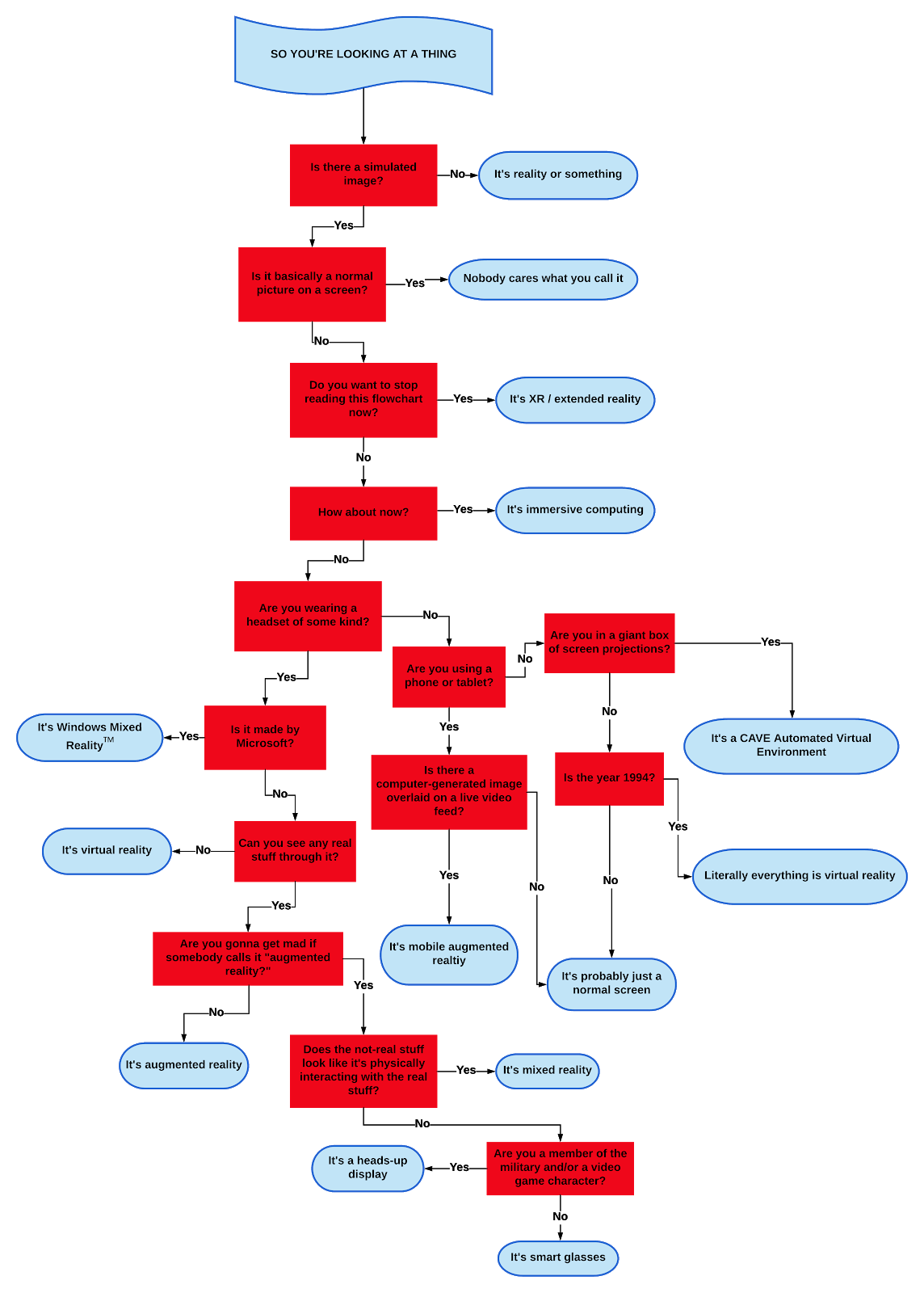
Especially since this is the first year I’ve covered augmented reality, I’m also deducting points for the industry’s increasingly convoluted terminology. Is a given product augmented reality, virtual reality, mixed reality, extended reality, a heads-up display, smart glasses, an immersive computing device, or possibly something else? Here. Have a chart.
Hearteningly, though, one of VR’s early long shots may have actually paid off. In 2016, location-based VR entertainment startup The Void seemed like an ambitious but risky project. After getting investment from Disney and launching a Star Wars-themed experience last year, though, it’s opened several new locations and is working with more Disney-owned franchises. It’s just one of many VR arcades and theme parks — although those aren’t all doing great either, since IMAX shut down its VR location-based entertainment experiment in 2018.
So against the longer arc of history, I’m not sure how the past year will look. But hey — at least we got Beat Saber out of it.
See the full story here: https://www.theverge.com/2018/12/30/18159462/2018-tech-recap-vr-ar-virtual-augmented-reality-beat-saber-oculus-hololens-magic-leap
MIT researchers are now 3D printing glass
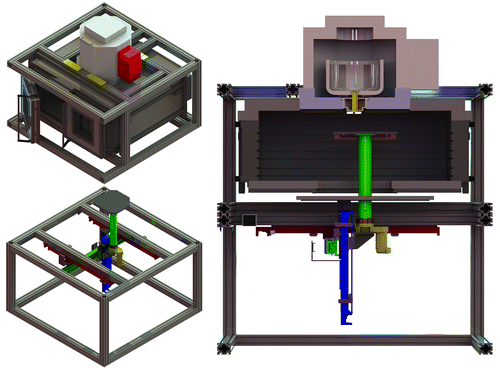 [PhilNote; now that 3D printers handle plastic, metal, glass, organic material, ... separately, the next wave of 3D printers will create previously-impossible structures using a variety of materials. Its time to put 3D printers back at the base of the hype cycle.]
While the thought of a machine that can squirt out endless ropes of molten glass is a bit frightening, the folks at MIT have just about perfected the process. In a paper published in 3D Printing and Additive Manufacturing, researchers Chikara Inamura, Michael Stern, Daniel Lizardo, Peter Houk and Neri Oxman describe a system for 3D printing glass that offers far more control over the hot material and the final product.
Their system, called G3DP2, “is a new AM platform for molten glass that combines digitally integrated three-zone thermal control system with four-axis motion control system, introducing industrial-scale production capabilities with enhanced production rate and reliability while ensuring product accuracy and repeatability, all previously unattainable for glass.”
The system uses a closed, heated box that holds the melted glass and another thermally controlled box where it prints the object. A moveable plate drops the object lower and lower as it is being printed and the print head moves above it. The system is interesting because it actually produces clear glass structures that can be used for decoration or building. The researchers take special care to control the glass extrusion system to ensure that it cools down and crystallizes without injecting impurities or structural problems.
See the full story here: https://techcrunch.com/2018/12/31/mit-researchers-are-now-3d-printing-glass/?utm_medium=TCnewsletter