These slick new AR glasses project shockingly high-quality visuals
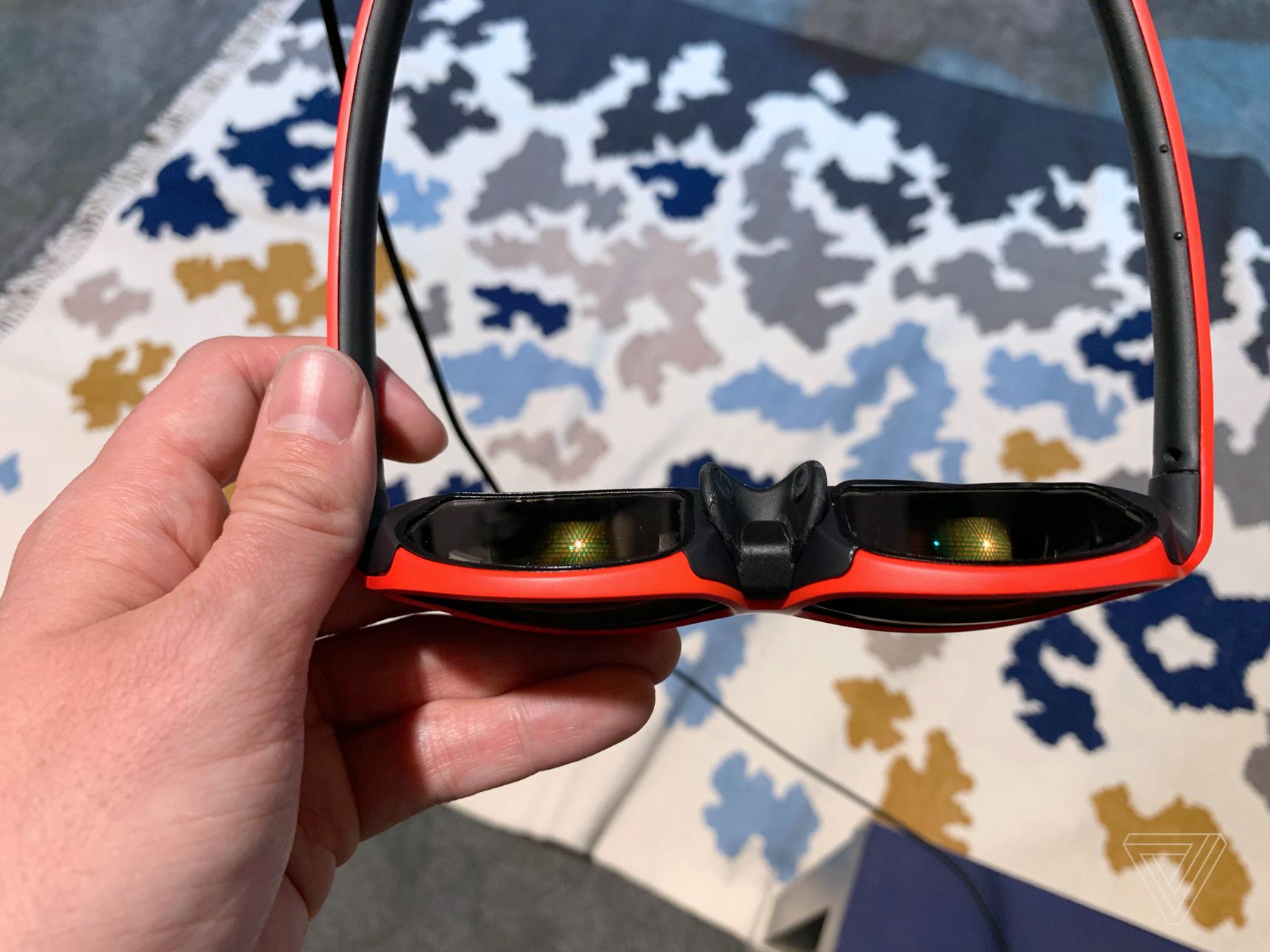
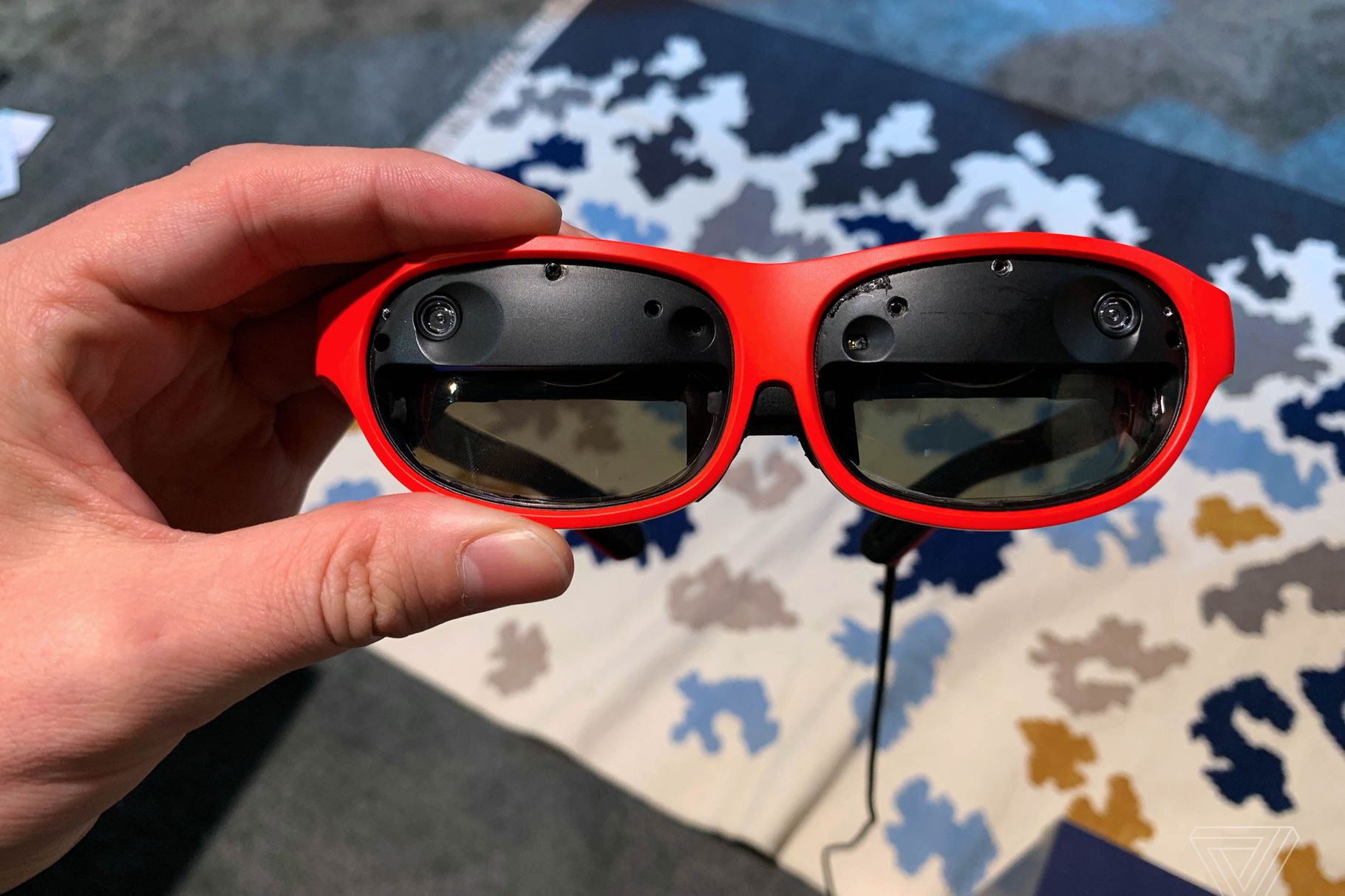
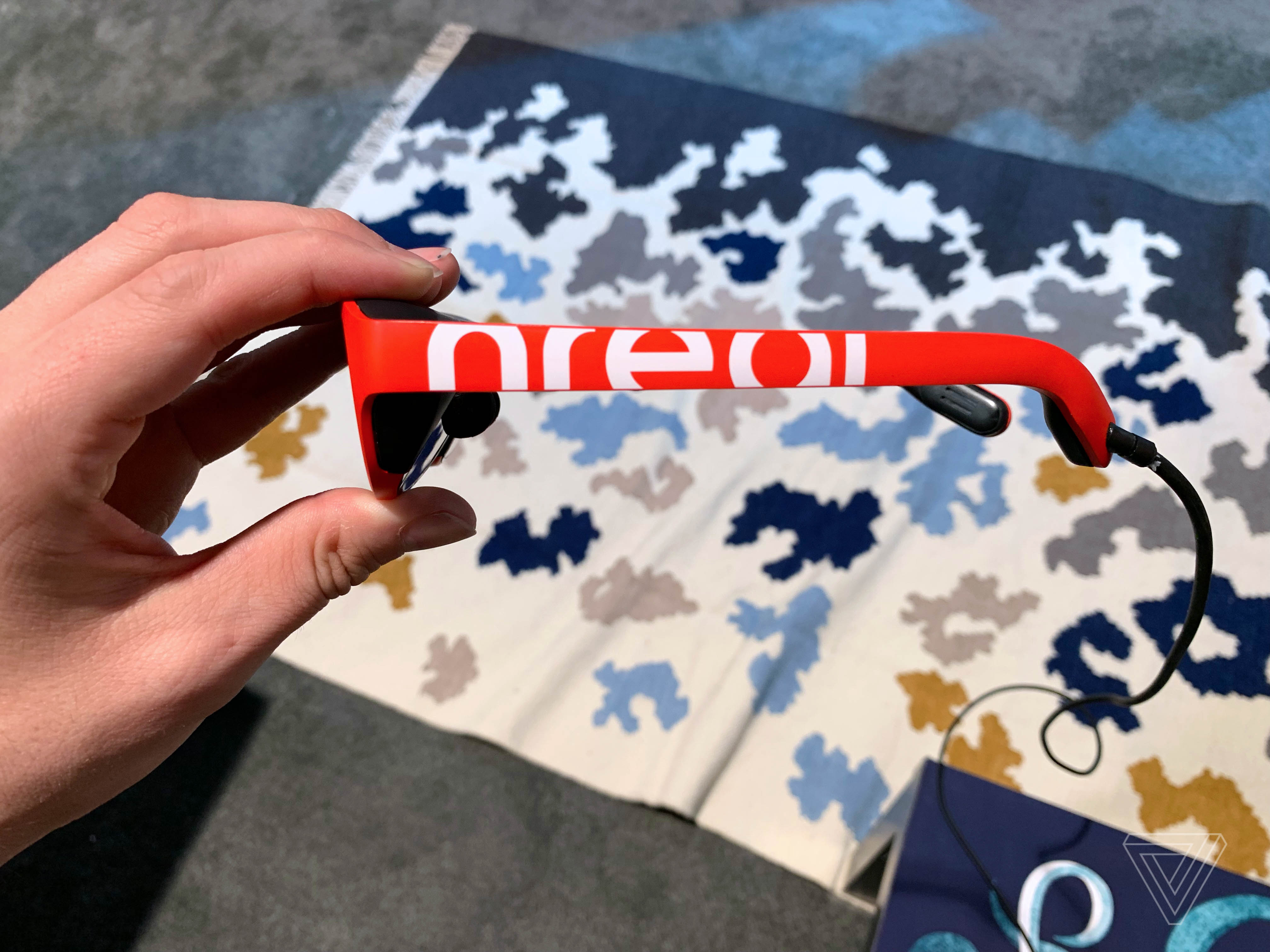
 Chinese startup Nreal has arrived on the scene this week with a surprisingly capable pair of AR glasses scheduled to hit the market later this year.
...
it’s also quite the feat that Nreal packed all that projection gear, sensors, and cameras into a frame that’s way slimmer than, say, the Vuzix Blade glasses. Nreal says the glasses weigh just 85 grams, or less than one fifth of a pound.
The second is that the glasses push 1080p projection through both lenses with a 52-degree field of view, letting them achieve something much closer to the Magic Leap One headsetor Microsoft’s HoloLens than what we’ve seen most AR glasses...
So as a video-watching device, the Nreal is quite capable. But the whole promise of AR is to understand your surroundings and blend the virtual images with real-world objects. That’s where the Nreal isn’t nearly as good as Magic Leap, at least based on the demos the company is showcasing.
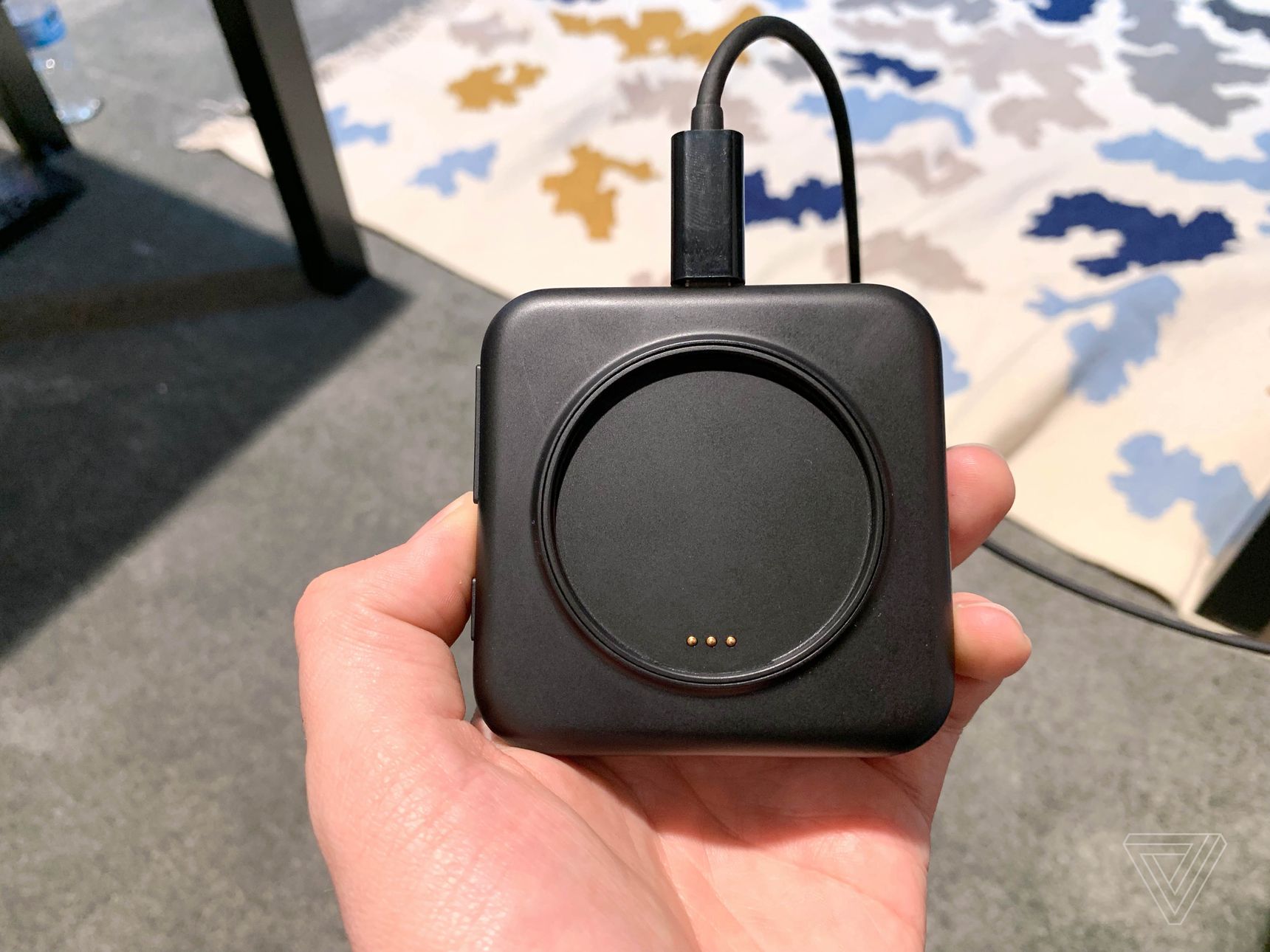
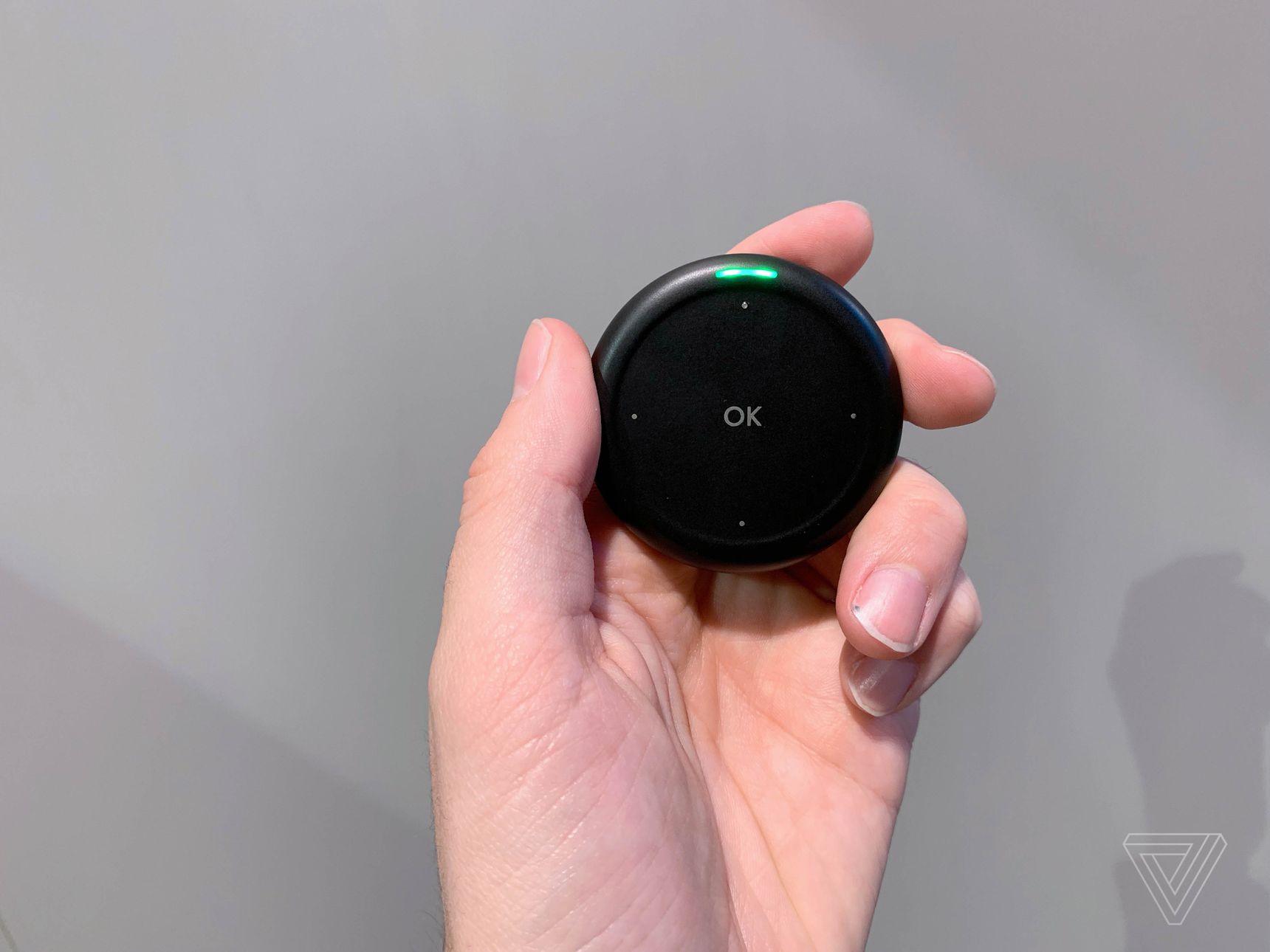
Similar to Magic Leap, Nreal’s device requires a cable into a separate processor pack that’s designed to go into your pocket. It’s of a similar size as Magic Leap’s and it appears to get just as hot or perhaps even more so as it’s running, which is certainly a consideration when for any AR glasses that will want to remotely attempt to deliver all-day use or at the very least any experiences that last more than a few minutes. One neat feature is that the motion controller for Nreal’s glasses is a small circular puck that connects magnetically to the processor pack.
Nreal tells me that because the processor pack uses USB-C, you’ll be able to simply use your phone to power the glasses. However, the company says it’s only working with Samsung right now to make that feature work, and it’s unclear if you’ll be able to use other phones...
As for specs, the Nreal glasses have a Qualcomm Snapdragon 845, 360-degree spatial sound through two speakers, and built-in microphones to enable future voice control and smart assistants. There are other built-in sensors for providing full 3D movement through 3D scenes, known as 6DoF (six degrees of freedom), while the wireless controller is only three degrees of freedom, so it can’t provide the same level of hand interaction as you’d get in a VR headset like the Oculus Rift.
On the front, you have two cameras that are used to perform what’s known as SLAM, or simultaneous localization and mapping, which is the computer vision technique that lets both self-driving cars and other similar AR headsets map a scene and also track objects as they move through it. That last bit is crucial for AR, and the fact that Nreal is only using two cameras, where as Magic Leap has three on each side of the front of its One headset, is likely why it’s not as adept at mapping environments and enabling interactive AR features.
The device is slated to ship some time around the third quarter of the year for a price likely under $1,000.
See the full story here; https://www.theverge.com/circuitbreaker/2019/1/9/18176083/nreal-augmented-reality-ar-smart-glasses-features-pricing-release-date-ces-2019