VIRTUAL REALITY’S LATEST USE? DIAGNOSING MENTAL ILLNESS
 In September, the UK-based Alzheimer's Society said it would fund a three-year research project using VR to try to detect early signs of Alzheimer's disease. In an initial study, researchers led by Cambridge University's Dr. Dennis Chantested participants’ spatial navigation and memory by having them don a HTC Vive headset, follow an L-shaped path in a virtual environment (initially mapped out by cones), and then trace their footsteps back to their starting point without the help of any markers.
In a paper describing preliminary results,...
Treating PTSD
Researchers at Emory University in Atlanta have used VR to diagnose and treat veterans suffering from post-traumatic stress disorder related to sexual trauma while in the military. Participants were shown two-minute clips of a simulated foreign military base and a typical American city, while researchers monitored their heart rate and “startle” responses. In a paper published last year, the researchers reported significant reductions “in clinician-assessed and self-reported PTSD symptoms.”....
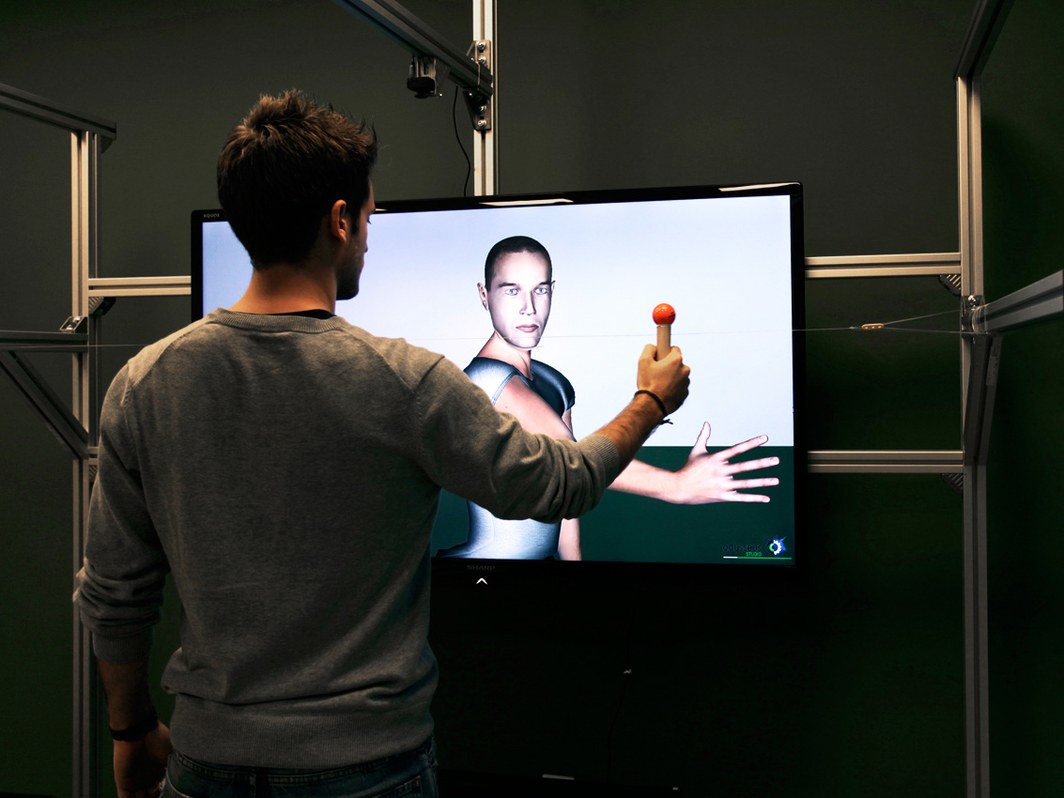
Beyond Alzheimer’s and PTSD, VR is now also being tested for diagnosing a variety of other conditions, such as social anxiety disorder, vertigo, ADHD, and concussions. For example, a team from Exeter University reported in 2017 that a VR-based “mirror game,” which required participants to duplicate the movements, gestures, and facial expressions of a virtual avatar, helped early diagnosis of schizophrenia.
There is, then, every reason to suspect that VR will move beyond being an experimental diagnostic tool for mental health conditions, to a practical, everyday one.
See the full story here; https://www.wired.com/story/virtual-realitys-latest-use-diagnosing-mental-illness/