In the virtual reality Dreamscape, you literally walk through the screen of your own movie
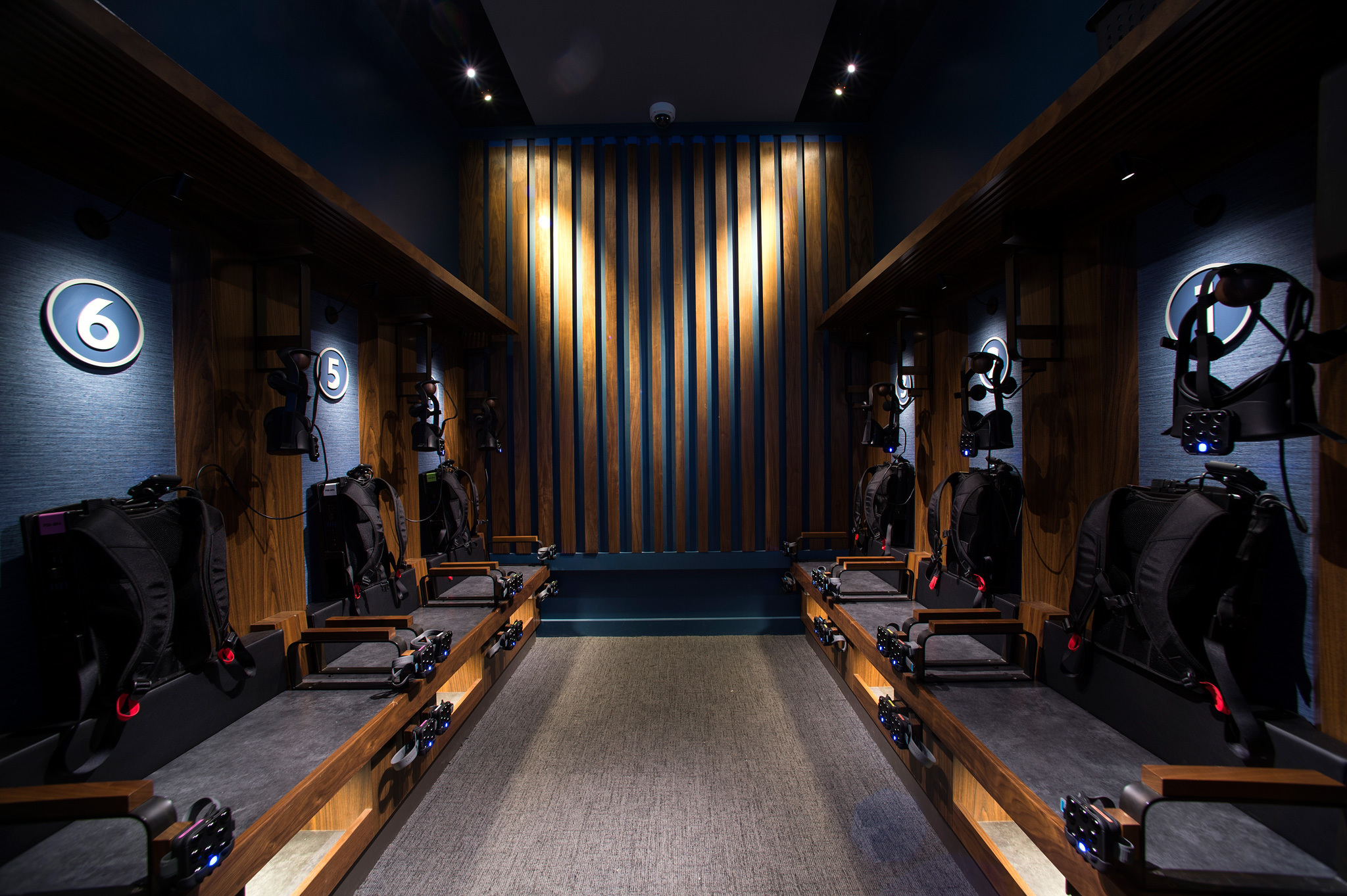 “I’ve done a lot of theme park attractions,” says Vaughn. “Try as you may, you really aren’t fully immersed inside. There’s always something separating you from a lot of this stuff. And the same with film—you’re passively watching.”
Dreamscape’s visuals, audio and haptic feedback hit that full immersion mark—mostly. While you can grab onto a railing, your hand may pass right through a wall. Sometimes the real-world, hands-on moments are slightly out of alignment with their virtual counterparts. And suiting up is a multi-step process that makes the gear and space feel a bit more like technology than magic.
UW students show off virtual reality projects in another display of Seattle’s VR/AR clout
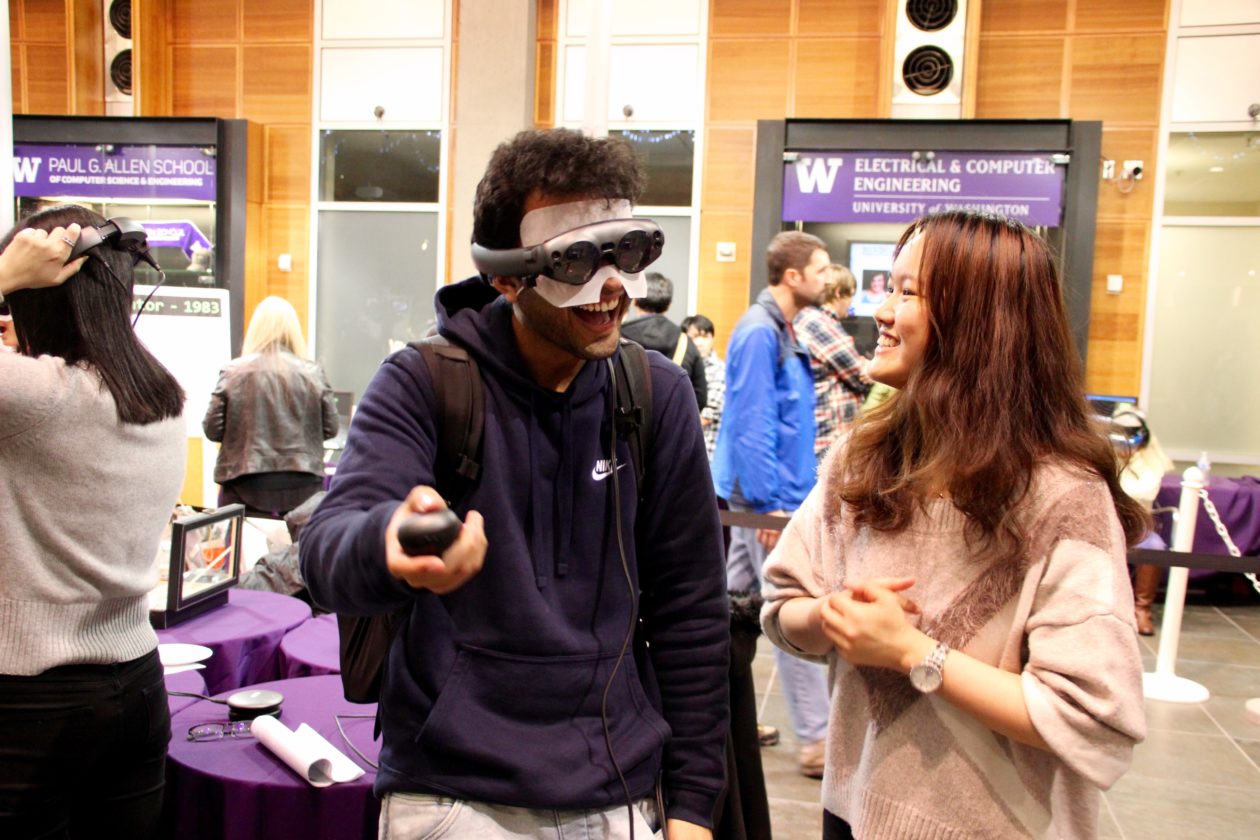 Candice Miao, a UW senior, helped build “RockIT Physics,” a VR app that helps improve student learning through interactive physics education.
“We realized how much physics students struggle with the idea of an electric field since it’s not something you can see in real life,” Miao said.
Seattle has become a nexus for VR and AR, with so many tech companies big and small in the region building related technology products and services. Sankar said the UW provides a “neutral ground” for companies to come together and collaborate on ideas. Several of them provided headsets to the students this quarter.
“The UW has a great position in this space to be a leader and an educator,” said Sankar, who also helps run the UW Reality Lab, a VR/AR research center funded by Facebook, Google, and Huawei that launched earlier this year.
You learn more about the student projects here.
See the full story here: https://www.geekwire.com/2018/uw-students-show-off-virtual-reality-projects-another-display-seattles-vr-ar-clout/
Corning and WaveOptics Supply Agreement for Augmented Reality Optics
 Corning Incorporated, a supplier of high refractive index glass for eyewear, and WaveOptics, a designer and manufacturer of diffractive waveguides, have entered into a long-term supply agreement for augmented reality (AR) optics.
Corning will provide ultra-flat, high-index glass wafers for WaveOptics’ waveguides, the key optical component in AR wearable devices. WaveOptics’ specialized nano-structures will be imprinted on the glass wafers and made into waveguides using a well-defined manufacturing process.
As part of the agreement, Corning will also provide its world-class materials science expertise to support WaveOptics’ continued advancements in waveguide manufacturing.
See the full story here: https://www.novuslight.com/corning-and-waveoptics-supply-agreement-for-augmented-reality-optics_N8800.html
1990s Moscow could be making a comeback in augmented reality
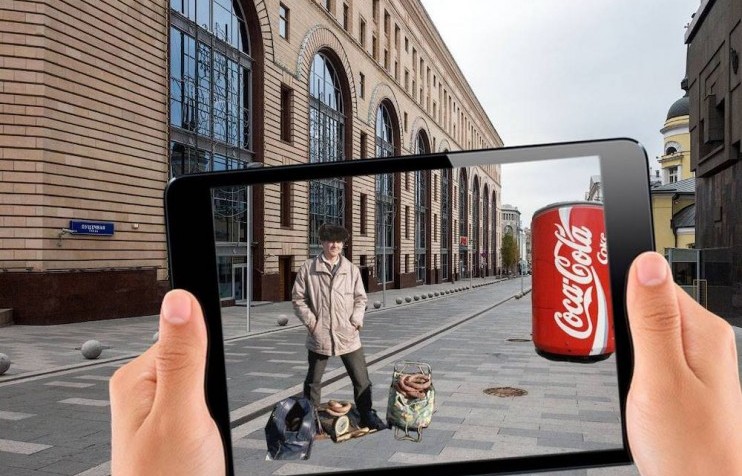 The turbulent 90s could return to the streets of Moscow with a new Pokemon Go-style game reviving life in the Russian capital in the years after the collapse of communism.
Moscow ‘94 plans to use AR, or augmented reality technology, which imposes computer-generated images onto a real-time stream you see through the camera of your phone or tablet.
Using an iPad to open a visual portal into the past, players will be tasked with completing tasks and collecting virtual loot.
The team behind the project, led by Ivan Mitin and Ivan Yutinskiy, are looking for investors to launch the game with a cash injection of 8 million rubles ($120,000).
They say that they want to tap into the nostalgia of a time that was difficult for many. “Happily the 90s have gone, but their memory lives on,” their website reads. “Now, that era seems quaint and naive, even if living through it all wasn’t sweet and easy.”
See the full story here: http://www.calvertjournal.com/news/show/10863/1990s-moscow-could-be-making-a-comeback-in-augmented-reality
A Brief History of VR
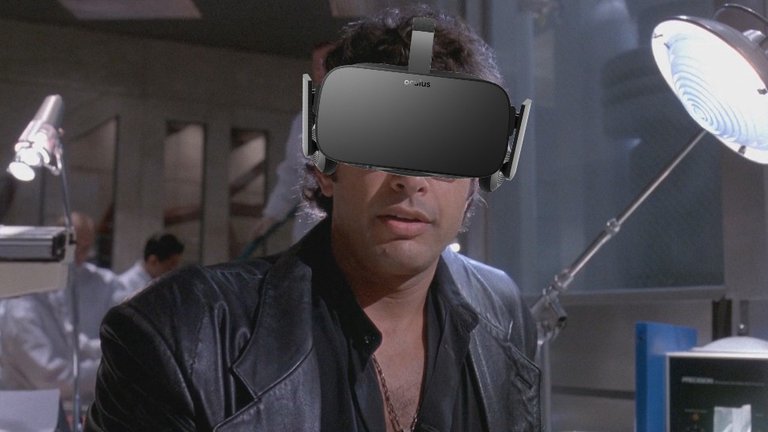 https://finfeed.com/opinion/ctrl-alt-del/virtual-reality-very-brief-history-part-3/
Caltech Scientists Use AR To Help The Blind Navigate
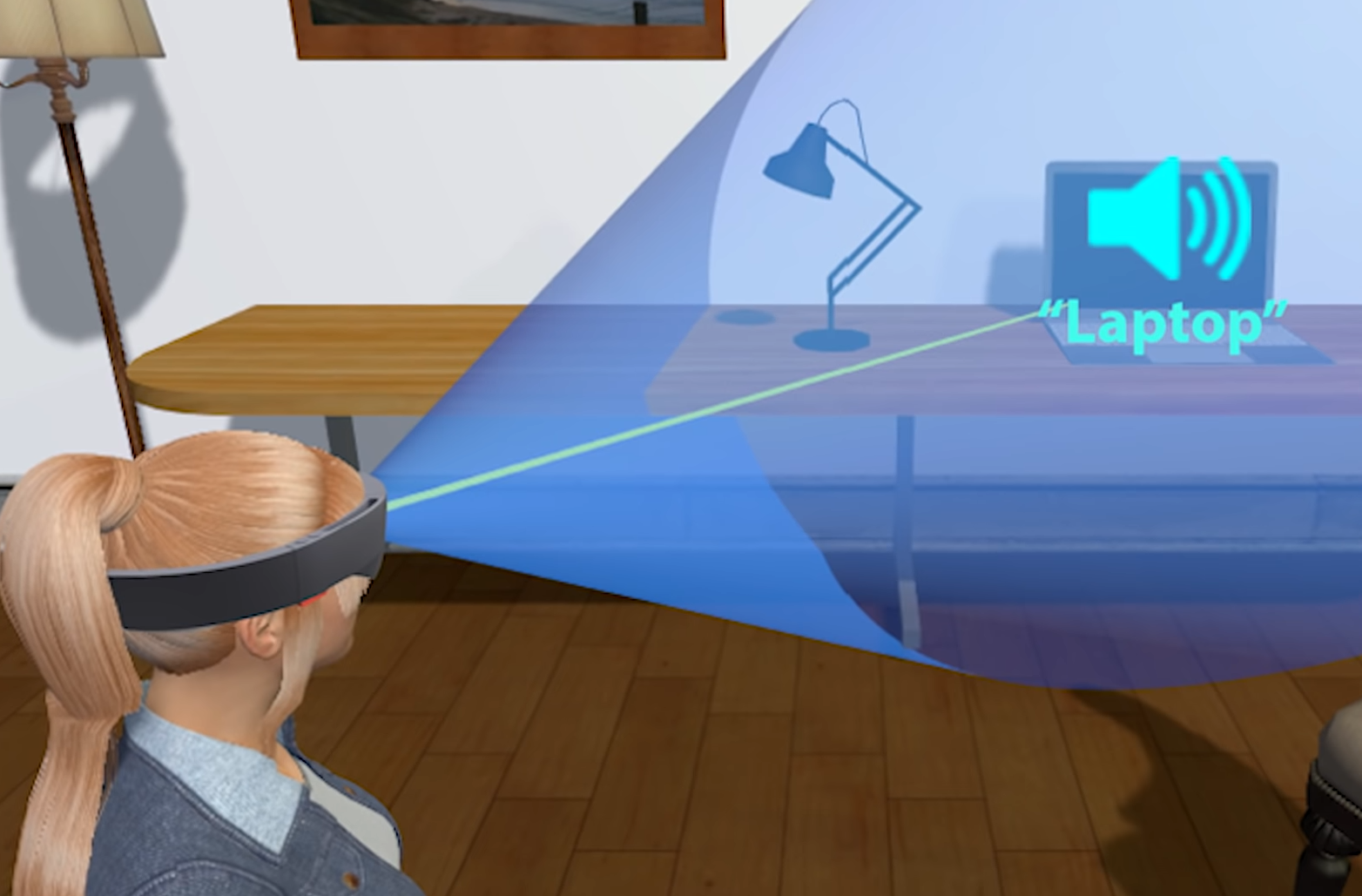 video added to powerpoint deck. See the full story here: http://www.virtualrealitypulse.com/edition/daily-magic-leap-unity-2018-12-11?open-article-id=9394794&article-title=caltech-scientists-use-ar-to-help-the-blind-navigate&blog-domain=vrscout.com&blog-title=vrscout&fbclid=IwAR1f55vLT804BZl1hgCgBx8HAMb_98IdSkQd2yIsfYQESCFm928a3m8UMLI