Meta’s Optical Expert Delivers AR Reality Check via TED Talk, & Takes a Few Veiled Swipes at Magic Leap
 ...company's optics engineers, Dr. Barmak Heshmat, ...
"Some businesses are trying to make [lightfield technology] sound as if it's some crazy neurological, quantum physics thing, which it's absolutely not," says Heshmat. "Let me tell you what lightfield is for you as a consumer in 30 seconds. Lightfield means that the light that's coming to your eye from the display is not coming from a single flat plane like [an] IMAX screen. But it's ideally coming from the different optical depth of different objects in the scene. That's it."
Of course, in terms of the hardware, we now know that Magic Leap is using (unremarkable at this point) stacked waveguides (or, in Magic Leap parlance, "photonic lightfield chips"), but Abovitz still makes a point of outlining Magic Leap's approach to the human brain when delivering AR.
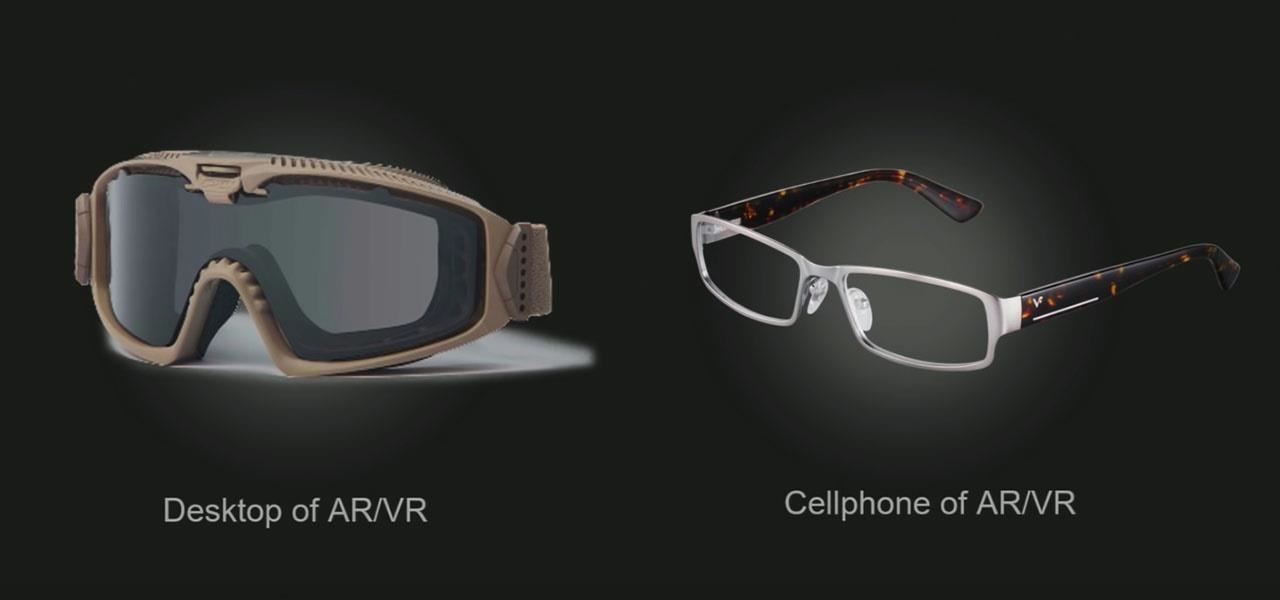
"Please, please, don't get too excited about immersion. This is why 3D TVs died. I don't need to get immersed in my emails or in Fox News, for God's sake. I also don't need to augment video games in my living room that already has a 72-inch, high dynamic range, 4K screen for half the price of a headset. I want to get work done. 10 times faster, 10 times easier … think along those lines, real value."
In the meantime, Heshmat's pleas to ignore cool may sound level-headed, but as I pointed out recently, cool might be exactly the strategy AR needs to go from edge technology to full blown mainstream linchpin in the next few years.
See the full story here: https://next.reality.news/news/metas-optical-expert-delivers-ar-reality-check-via-ted-talk-takes-few-veiled-swipes-magic-leap-0191869/