Announcing Moment – How The Next Generation of Human Experiences Will Be Designed
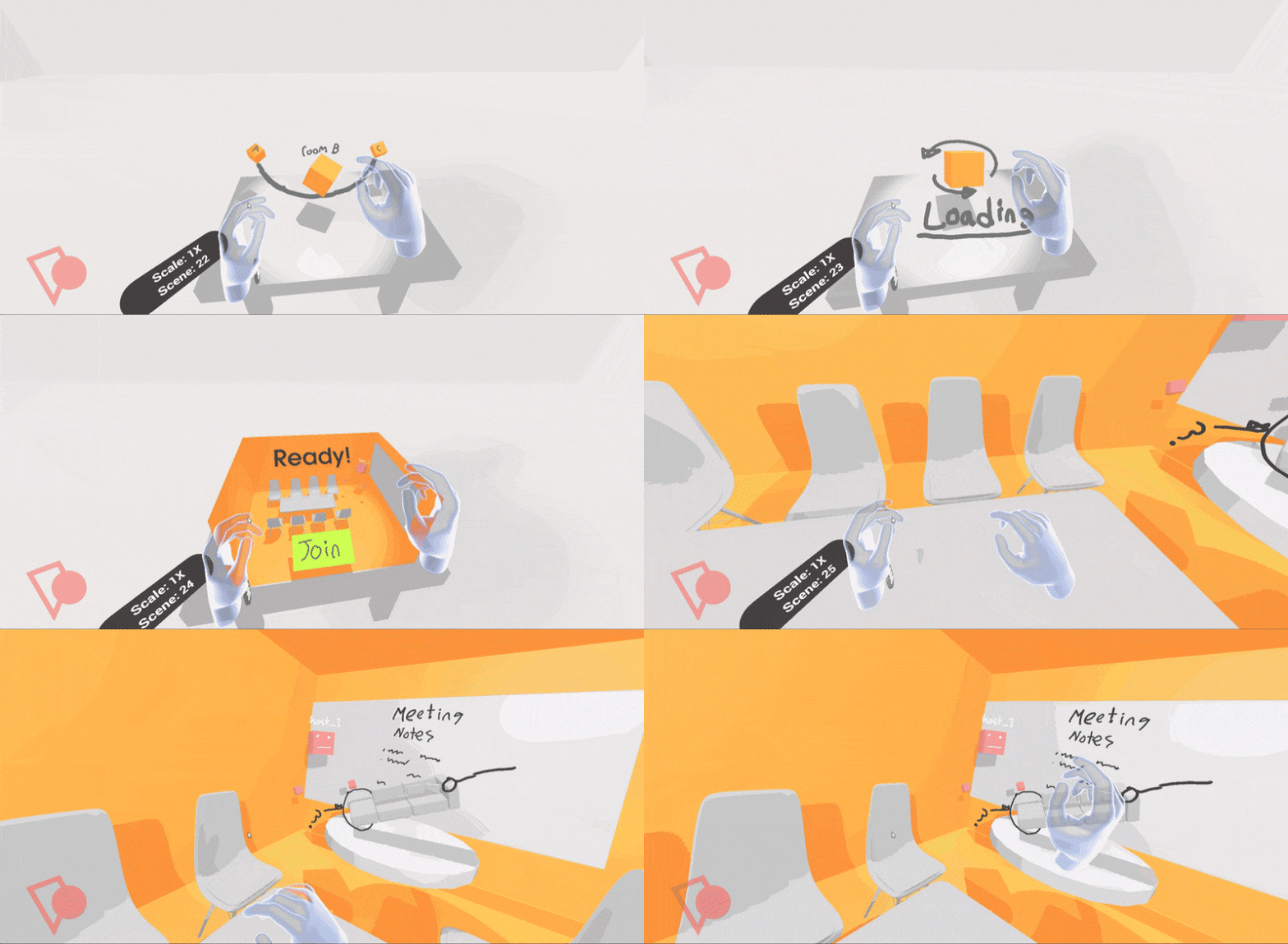 Our name is Moment, we are backed by Boost VC, McCune Capital (Jason Cahill), Jesse Kao (former Point72 Hedge Fund Investment Analyst) and we are making it possible for any designer in the world to become a magician who can pull objects out of thin air. I am creating Moment alongside my incredible co-founders, Michael Markman (CEO), James Korin(CTO), and Joe Dolan (Lead Engineer). It is a mind-opening prototyping tool for designers working on virtual reality, augmented reality, physical spaces, and more. If you are currently working in any of these fields, and you want to join our beta, please let us know.
1. Prototype Interactions
2. Layout and Snap Objects Precisely
3. Draw and Annotate in 3D Space
But really, why do we need this now? If you’re already developing for virtual reality, you probably understand the pain point, but for those that don’t, I will explain.
Create inside the VR.
By removing these barriers with an immersive prototyping tool, we believe that creators, no matter their skill set or technical level, will be able to quickly “wireframe” their ideas, send them to any member of their team or client’s team, and get quick and useful feedback.
See the full story here: https://medium.com/@helensitu/how-the-next-generation-of-human-experiences-will-be-designed-92556ce6e53d
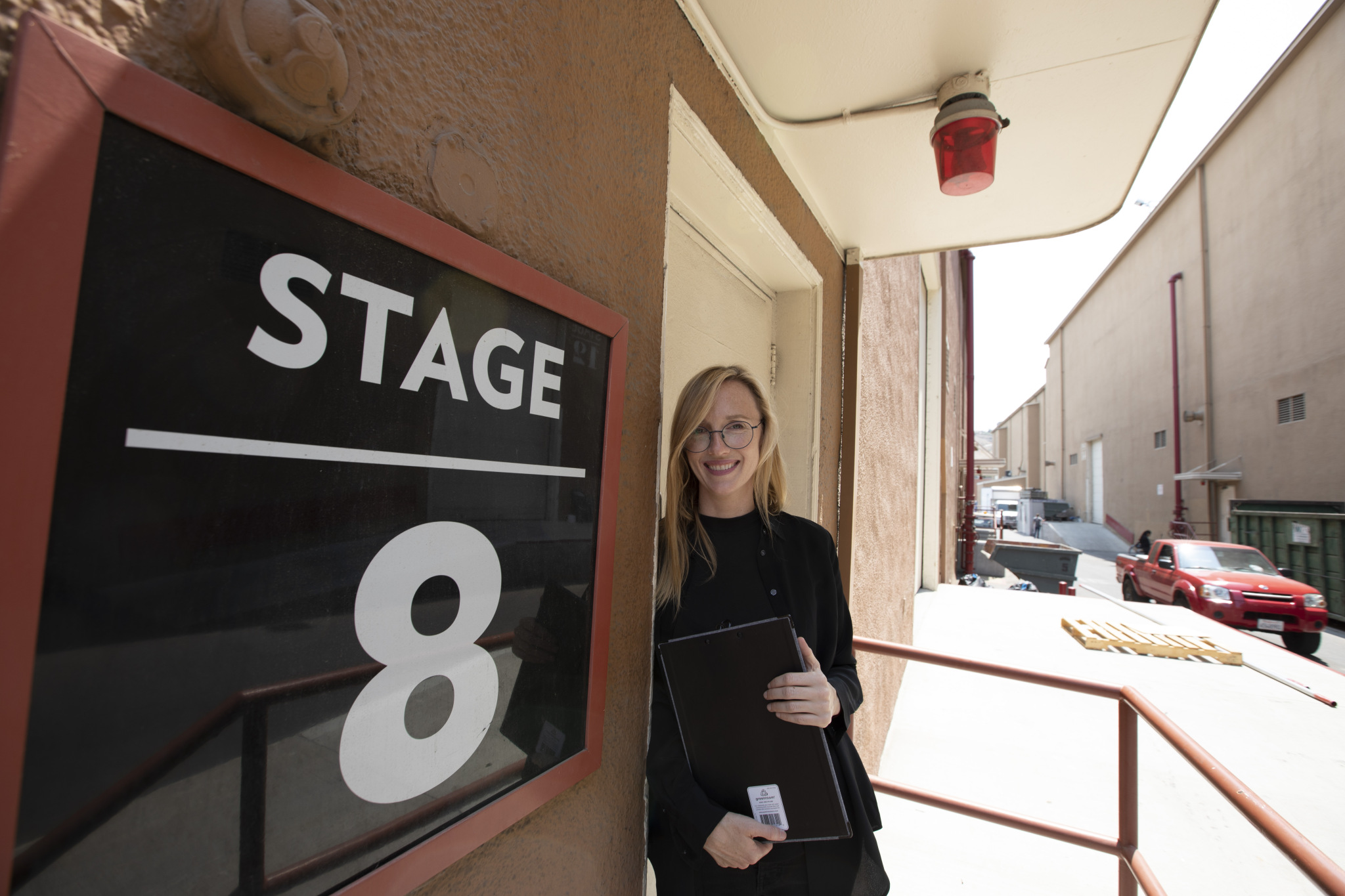
Christina Heller leads MetaStage MR capture stage
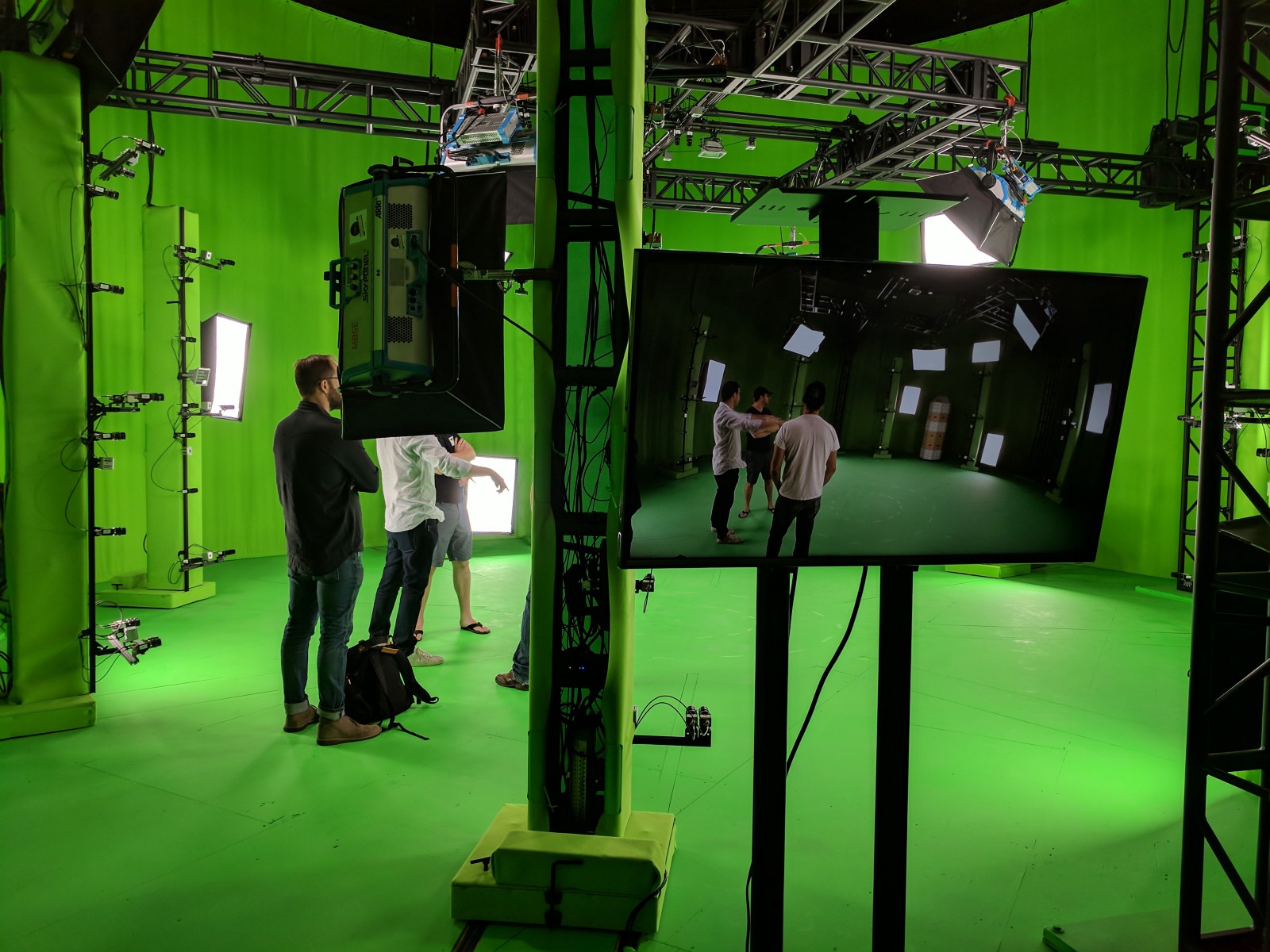 Our goal is to curate MR solutions and make them accessible, reliably, so that creators from any field can place incredibly realistic people and objects into their immersive experiences with captures that feel authentic to the real thing.
We begin this journey with the incredible Mixed Reality Capture Studios team from Microsoft.
Metastage has built our capture system with top of the line everything: 106 12mp capable cameras, state of the art processing, and designed the system to be as versatile as possible for creators.
The heart of the operation is the capture stage itself, which measures 35 feet in diameter, capable of capturing a space of up to 10 feet in diameter volumetrically. The stage is equipped with 106 cameras (53 RGB and 53 infrared) future-proofed with 12 megapixel sensors, even though the software currently only accommodates 4 megapixels.
 See the full story here: https://medium.com/@christinaheller/ive-got-some-exciting-news-80d02195ef29
Also https://variety.com/2018/digital/news/metastage-mixed-reality-capture-studio-1202903828/
These two companies have hugely influenced India’s internet design ethos
See the full story here: https://economictimes.indiatimes.com/small-biz/startups/features/these-two-companies-have-hugely-influenced-indias-internet-design-ethos/articleshow/65368785.cms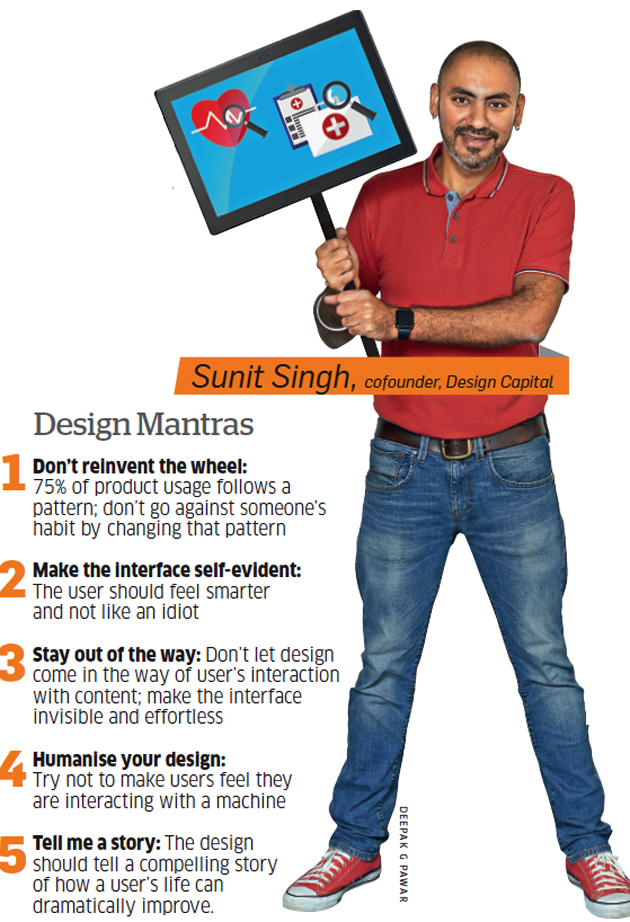
Yezidi genocide told through virtual reality
 “Telling a story that matters and is more relevant now than ever – this was the driving force for everyone involved in the project,” co-director Celine Tricart told Rudaw English.
Tricart and Christian Stephan co-directed the short documentary after they were asked by American actress and writer Maria Bello and told of the Yezidis’ plight.
It has been shown at more than 20 film festivals, including Cannes, SXSW, HotDocs, and World VR Forum.
The short documentary allows Yezidis to tell their stories of survival, but also revenge.
“They treated us like monsters. They aren’t human. They are beating people, forcibly taking girls and women, starving people, destroying us. This is not human,” one survivor says in the film.
It incorporates leaked ISIS film of men bragging about purchasing sex slaves for the price of a handgun, with the lighter-eyed Yezidi women and girls fetching higher prices.
The film captures the story of women who banded together to fight back against the group responsible for massacring and subjugating the Yezidi people.
“Until I die, I will not take off this uniform,” says one Peshmerga. “I promise on Sinjar soil, I promise to liberate the prisoners from the hands of our enemies.”
“Shooting 360 degree isn’t easy, even more true in Iraq. Our camera (generously supplied by Google) was the best VR camera in the world, but it also looked like an improvised explosive device, making every checkpoint crossing stressful,” Tricart wrote in an article for Shoot Online.
See the full story here: http://www.rudaw.net/english/culture/11082018
Phoenix Art Museum unveils virtual-reality Bowie, Warhol, Scharf exhibit
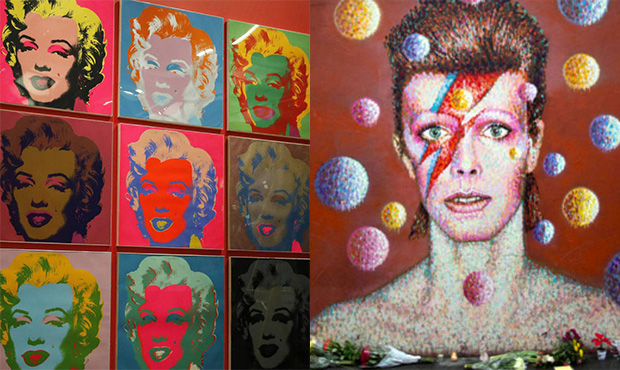 One, Billy Name’s The Warhol Silver Factory, allows guests to see Warhol’s art studio, called the Silver Factory, and “see the glamour of the Warhol sixties,” the site said.
Mick Rock’s Ziggy Stardust and the Spiders from Mars, described by the site as a “dreamlike, 360-degree glam-rock kaleidoscope,” takes viewers through the Ziggy Ztardust tour of 1972, including videos of live performances.
Kenny Scharf’s Cosmic Cavern shows the “Pop-Surrealist universe” of the visual artist, with cartoon imagery, graffiti and dreamy, futuristic environments, the site said.
“These dynamic, innovative works will engage and inspire guests of all ages, and we look forward to sharing them with our community,” said Amada Cruz, CEO of Phoenix Art Museum.
See the full story here: http://ktar.com/story/2173030/phoenix-art-museum-unveils-virtual-reality-bowie-warhol-scharf-exhibit/
Massey University PhD student shaping a new virtual reality for market research
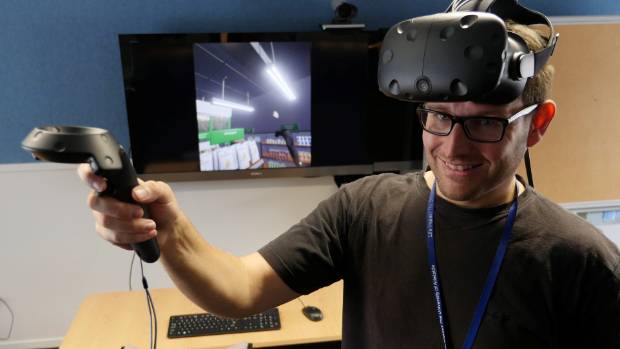 Schnack called on a computer programmer friend to help him build a virtual reality system that would suit his needs. The testing area was a four-by-four-metre empty space, enough room for a couple of virtual supermarket aisles.
Virtual shoppers can hear sounds such as the hum of freezers, passing cars, and snatches of background conversation, so Schnack could gauge how the atmosphere of a shop affects what they buy.
Ultimately, he hopes to expand the testing space and add smells and temperature changes to the tests to create an even more realistic environment.
"I'm taking small steps, it's very new technology and it's still very novel and expensive. It's all hard to get on a PhD student's budget."
But his budget could soon expand now he's working with Massey spin-off company Consumer Insights, with both national and international retailers paying to use his system.
Schnack has also recently moved to Auckland, where he hopes to make commercial connections to help fund further research.
See the full story here: https://www.stuff.co.nz/technology/digital-living/106204253/massey-university-phd-student-shaping-a-new-virtual-reality-for-market-research
iPhone X Can Record & Send Video Holograms via HoloBack App

 Now available in the App Store, HoloBack uses the TrueDepth camera on the iPhone X to create instant 3D imagery of a user's face or other objects.
Users can view their scans in their physical environment via ARKit and send them to friends, who can also view the content through the app.
The results are relatively lo-fi compared to the imagined tech from "a long time ago in a galaxy far, far away" famously featured in Star Wars, or even more modern sci-fi films. And it even pales in comparison to holoportation experiments conducted with the HoloLens.
But in terms of an easily accessible solution for mainstream consumers to dip their toes in AR technology that could be commonplace within 10 years, this is a fine starting point.
Magic Leap tech specs
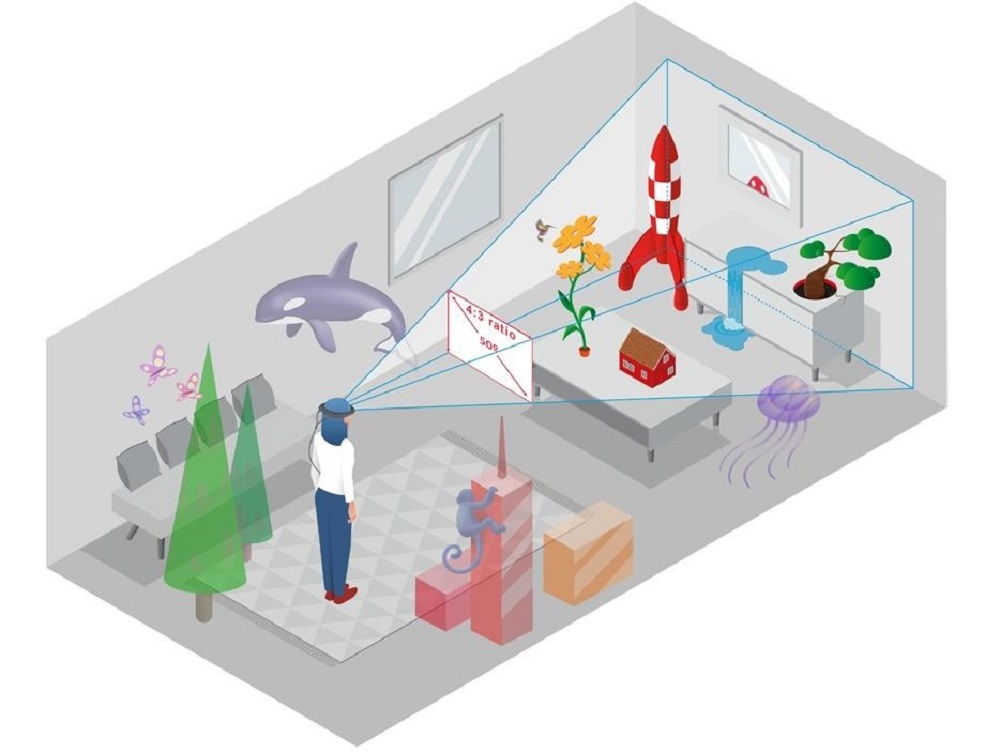
Given that the Magic Leap package is comprised of three main components, the specs themselves are split up into three main sections. That said, it’s the Lightpack where most people will want to look first as that holds all the processing power.
Lightpack:
CPU
NVIDIA® Parker SOC; 2 Denver 2.0 64-bit cores + 4 ARM Cortex A57 64-bit cores (2 A57’s and 1 Denver accessible to applications)
GPU
NVIDIA Pascal™, 256 CUDA cores; Graphic APIs: OpenGL 4.5, Vulkan, OpenGL ES 3.3+
RAM
8 GB
Storage Capacity
128 GB (actual available storage capacity 95GB)
Power
Built-in rechargeable lithium-ion battery. Up to 3 hours continuous use. Battery life can vary based on use cases. Power level will be sustained when connected to an AC outlet. 45-watt USB-C Power Delivery (PD) charger
Connectivity
Bluetooth 4.2, WiFi 802.11ac/b/g/n, USB-C
Lightwear
Audio Input
Voice (speech to text) + real world audio (ambient)
Audio Output
Onboard speakers and 3.5mm jack with audio spatialization processing
Control
Haptics
LRA Haptic Device
Tracking
6DoF (position and orientation)
Trackpad
Touch sensitive
LEDs
12-LED (RGB) ring with diffuser
Power
Built-in rechargeable lithium-ion battery. Up to 7.5 hours continuous use. 15-watt USB-C charger
Other inputs
8-bit resolution Trigger Button; Digital Bumper Button; Digital Home Button
Supporting Creative Storytelling in VR (Arts Council England)
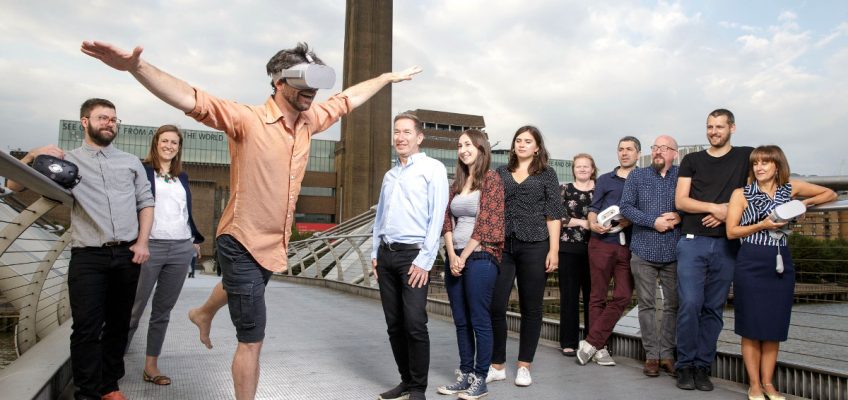 Digital Catapult and Arts Council England just announced the shortlisted five projects that will receive a total of £350,000 in funding to develop immersive storytelling experiences. The funding provided by the programme was achieved alongside match funding and support from a range of creative technology and cultural organisations such as Innovate UK and Immerse UK, and is part of a broader effort to support the development of the UK’s VR industry, which is expected to grow by 76% to reach £801m by 2021, making it the largest and fastest-growing VR industry of any country in EMEA.
These projects have all graduated from the CreativeXR programme, which was created to encourage content makers to explore creative storytelling in immersive mediums such as Augmented, Virtual and Mixed Reality. Designed to raise artistic and technical ambition, the programme has enabled the development of new skills, tools and business opportunities. Teams have been given workshops and marketplace events with industry leaders as well as access to Digital Catapult Immersive Labs in London, Brighton, North East Tees Valley and Belfast.
The successful projects all use immersive technologies, combined with a range of traditional storytelling techniques such as documentary, poetry and theatre to provide audiences with unprecedented cultural experiences. The funded projects are:
- Fatherland by Limbik, Norwich & Portsmouth: An interactive theatre experience using real-time motion capture and VR technology that brings to life the journey of a son and father coming to terms with dementia and disembodiment in a modern world. Completed in partnership with University of Portsmouth.
- Traitor by Pilot Theatre, York: A two-player interactive high stakes thriller, combining VR with live action, completed with support from Pilot Theatre
- When Something Happens by Boom Clap Play, Belfast: An epic journey through the history of the cosmos – from the big bang to modern life – written and narrated by poet Boston Williams. Completed with support from Northern Ireland Screen and Northern Ireland Science Festival
- Immersive Histories by All Seeing Eye Ltd, Stroud: An immersive VR experience allowing an audience to physically step into history and experience the famous ‘Dambusters’ mission from on board Guy Gibson’s Lancaster. Completed with support from Other Set and the RAF Museum
- Municipal Dreams (working title) by VR CITY LTD, London: An immersive journey into the complicated history of the notorious Aylesbury Estate, using stereoscopic 360 video, photogrammetry and 3D modelling. Completed with support from Royal Holloway University, Creation Trust and IDFA
AltspaceVR Lets You Build Your Own Sharable Space In Virtual Reality
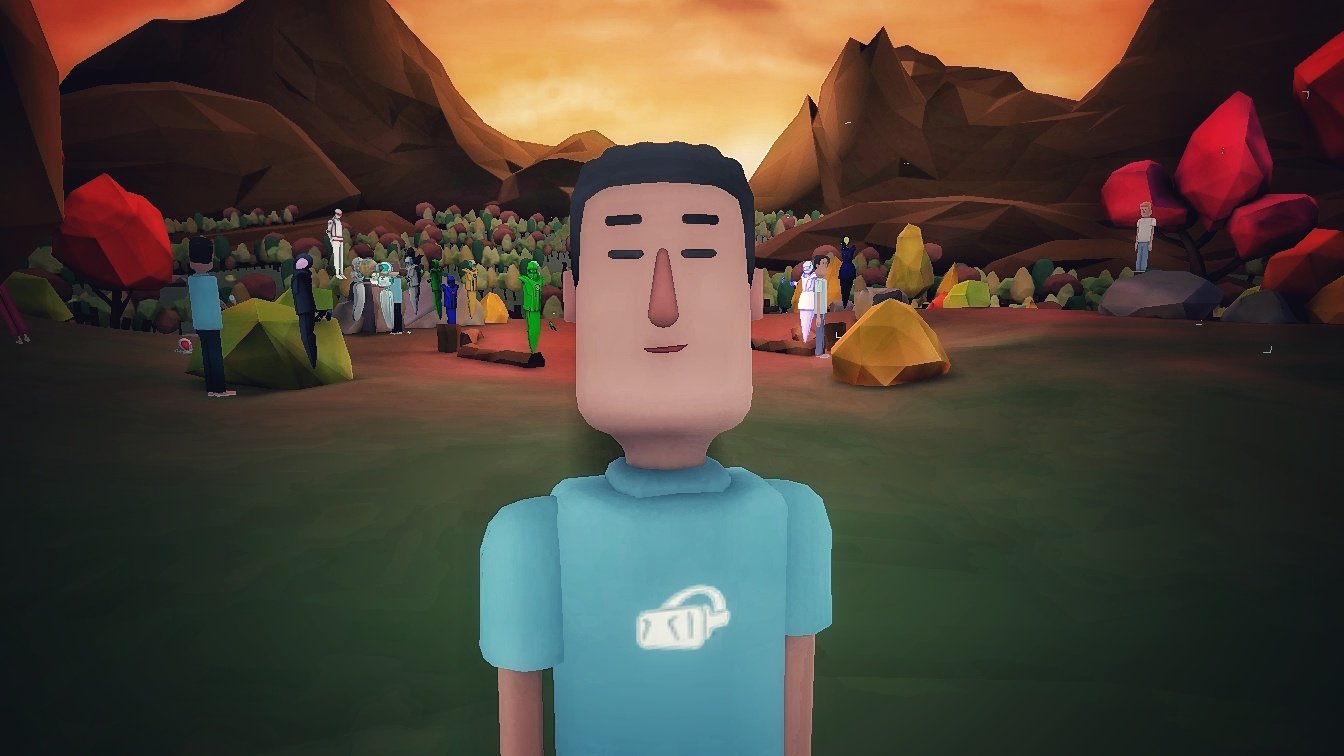 AltspaceVR has released tools to let users create their own sharable spaces in virtual reality.
It uses a drag-and-drop interface, allowing you to place objects in a 3D space using AltspaceVR-compatible headsets — including Oculus Go and Gear VR. It’s one of the first major upgrades since Microsoft acquired the social VR platform.
You can choose a kit based on popular environments, Campfire and Origin, or make it your own. You can also attend a world-building event to connect with the design community. AltspaceVR will feature the best worlds and let you share your own world on Twitter or Facebook.
If you want, you can host multiplayer social games in VR, import your in-world photography snaps, and include teleporters to common spaces. You can give your world a name, a profile picture, and choose a starting environment. Templates include: Base Worlds and SDK Playground Worlds.