Netflix’s Kiss Me First has an unusually personal take on gamer culture
 Ready Player One is the most egregious example of a mainstream story homogenizing gamer culture, but it’s hardly alone. The gaming industry generated $108.4 billion in 2017, and the Entertainment Software Association’s 2016 annual report showed that 41 percent of regular gamers are women, and that the average player age is 35 for men or 44 for women. But most gamers are still depicted as being cut from the same mold: smart kids and young men who are obsessed with science fiction, fantasy, comics, and the internet, and don’t like leaving the house. They don’t have many real-world friends, and they play games because they’re good at them, which makes them feel special.
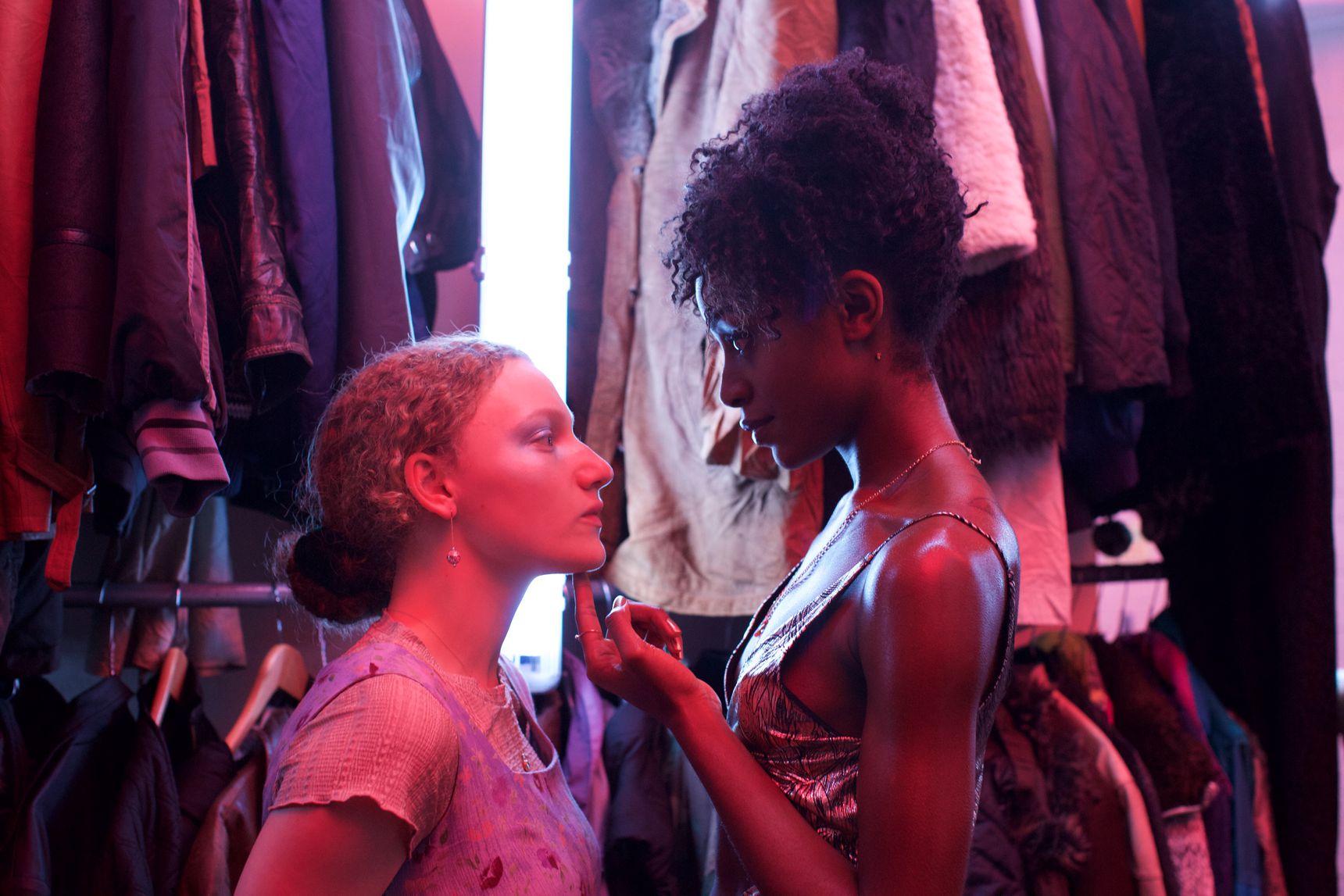
Watch the trailer for Netflix’s Kiss Me First, and you might think the show, which was originally broadcast in the U.K. in April, was a queer, female-driven remake of Ready Player One. It shares some of the sleek virtual-world look of Spielberg’s film, right down to the elfin player avatars. But they’re actually about as different as two pieces of entertainment about players of a popular VR game can be. In Kiss Me First, the writers’ only reference to nerd culture comes from the protagonist, Leila (Tallulah Haddon), who names her character in the game Azana Shadowfax, after Gandalf’s horse in Lord of the Rings. When she discovers a hidden pocket of Azana, it has nothing to do with her significant game skills, or a need to protect the virtual world from some outside existential threat. She just finds a community of very lonely people in need of help.
See the full story here: https://www.theverge.com/2018/6/29/17518760/netflix-kiss-me-first-gamer-culture-virtual-reality-ready-player-one-matrix
Disney Partners With Cisco for Its StudioLAB
 Disney has struck a partnership with Cisco to collaborate on technology for the media company’s new StudioLAB unit, both companies announced at Cisco’s XR On the Bay event in San Jose, Calif., Tuesday.
Cisco’s engineers will work hand-in-hand with StudioLAB employees on security, collaboration and data delivery, said Cico SVP, CTO and chief architect David Ward in an interview with Variety. “We get to work with their imagineers. We get to work with their creatives.”
Disney officially announced the launch of its StudioLAB in March. The 3,500-square-foot facility, which is housed on the Disney studio lot in Burbank, Calif., is meant to use emerging technologies to create new entertainment experiences.
“We are very pleased to welcome Cisco as a StudioLAB Innovation Partner, as we combine the best of Silicon Valley and Hollywood to help our storytellers tell their very best stories,” Disney Studios technology innovation group VP Benjamin Havey said in a statement. “Through this partnership, we can push the boundaries of how content can be created and consumed.”
One of the areas that the two companies will work together on is increasing the use of collaboration software in the creative process. Cisco also aims to help Disney further increase its security as it works with facilities around the world. And finally, Cisco is looking to help Disney optimize some of its infrastructure to help deliver production assets from studio sets to the cloud.
See the full story here: https://variety.com/2018/digital/news/disney-cisco-studiolab-1202858236/
High Fidelity Raises $35M Series D Financing to Further Develop Social Platform & Blockchain Tech
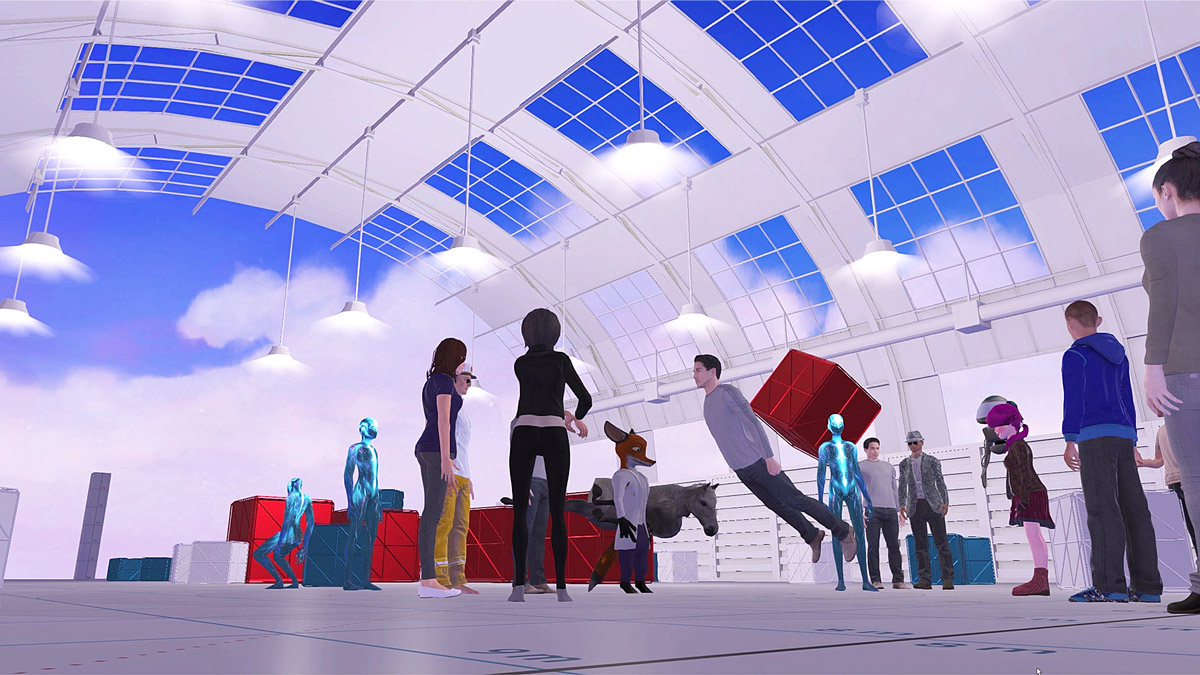 High Fidelity, the social VR platform founded by Second Life founder Philip Rosedale, today announced it’s successfully closed a $35 million Series D financing round. The company says it’s using the funds to continue development on its global infrastructure for VR experiences, to accelerate hiring, and to open a new office in Seattle.
The latest funding round continues the company’s emphasis on blockchain technology, which High Fidelity CEO and co-founder Philip Rosedale says will be required for the future of a large-scale, decentralized VR metaverse.
Galaxy Digital will guide us capably in adopting that technology and creating the right partnerships with the larger blockchain ecosystem, for example the EOS blockchain where we are currently beta testing integration.”
High Fidelity already maintains its own cryptocurrency for in-game purchases called High Fidelity Coin (HFC), something the company calls a high-speed stablecoin which isn’tmeant for speculators looking to hold for profit.
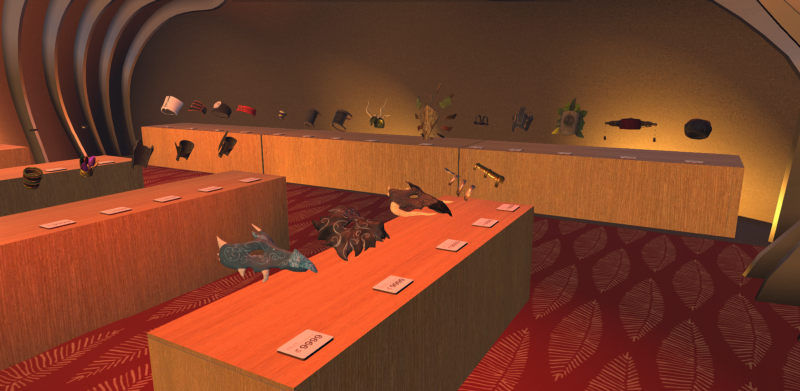
High Fidelity’s also maintains a Digital Asset Registry (DAR), which is also based on the blockchain. DAR is said to provide “indisputable proof of identity and ownership and strong protection against content forgery,” and is used when trading goods on The High Fidelity Marketplace—the platform’s digital marketplace for everything from clothes to avatars, as well as scripts and applications.
High-resolution Varjo headset seamlessly blends virtual and real worlds
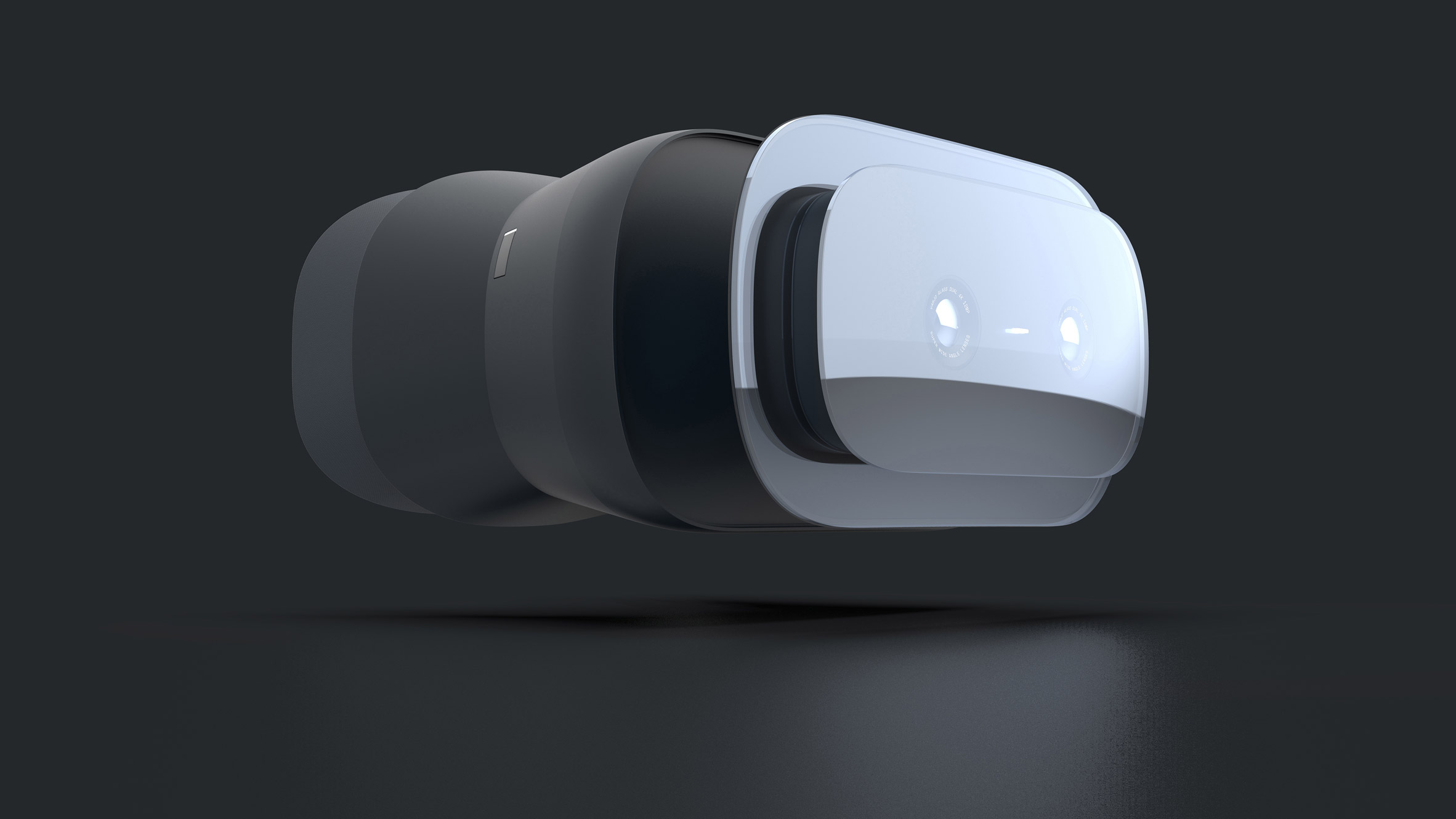 Varjo sidesteps this requirement by using multiple displays. Only the area that is in the wearer's direct line of sight has the most high-resolution display, with the headset using eye-tracking to adapt the screen configuration as the person looks up, down and side to side.
Varjo's VR headset is scheduled to launch at the end of this year, with the mixed-reality add-on coming in early 2019. The headset will compete against an increasingly crowded market of products like Oculus Rift, Microsoft HoloLensand HTC Vive.
See the full story here: https://www.dezeen.com/2018/06/29/varjo-headset-mixed-reality-augmented-technology/
China’s Vivo Unveils Time-of-Flight 3D Sensor That Rivals iPhone X’s TrueDepth Camera
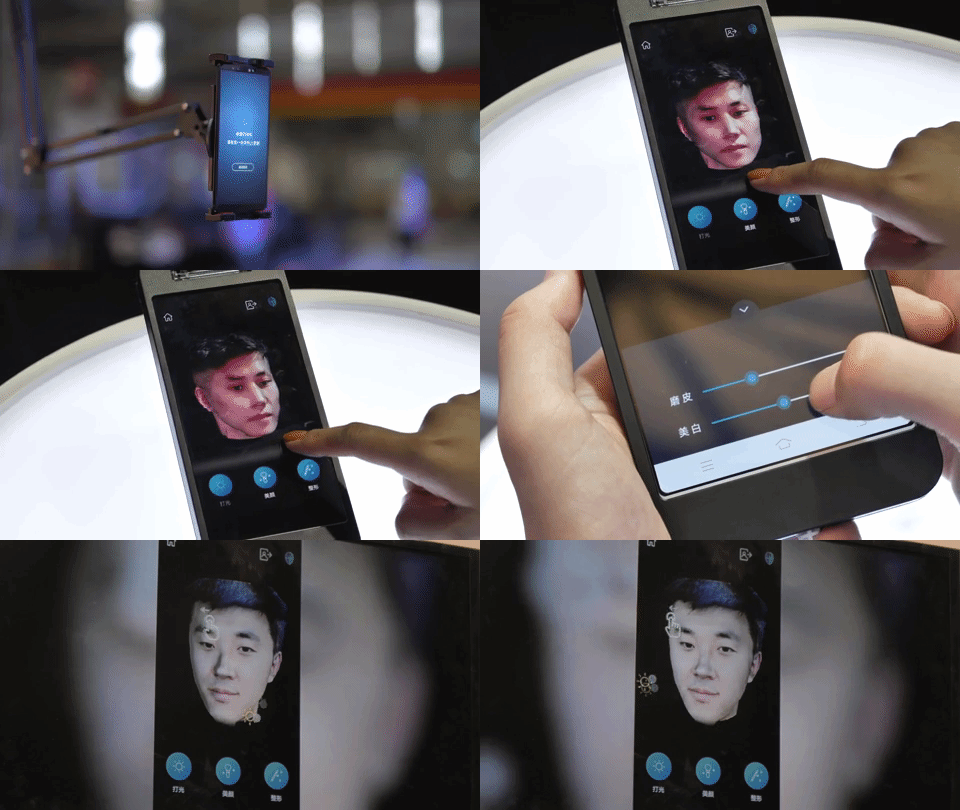
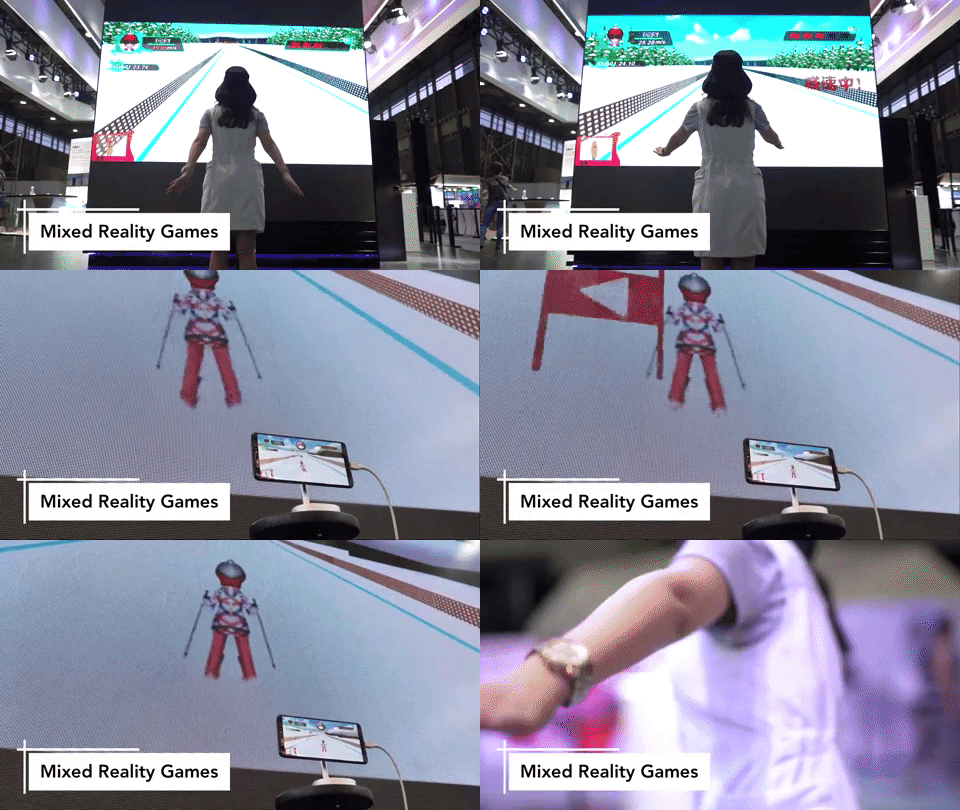 The sensor is capable of mapping objects within three meters, which positions the sensor to compete with the iPhone X's TrueDepth camera, as opposed to the room-scale capabilities of Google's Tango sensors as far as depth sensors for mobile devices are concerned.
Vivo actually surpasses Apple in specs, as Vivo's sensor is capable of mapping 300,000 feature points, compared to 30,000 points that TrueDepth captures.
"From last year's debut of In-Display Fingerprint Scanning Technology, the recent launch of the truly bezel-less Vivo NEX, to our groundbreaking ToF 3D sensing technology, we continue to forge ahead and evolve towards the truly intelligent future by opening new ways for the AI to help the consumer," said Alex Feng, senior vice president of Vivo, in a statement. "By combining ToF 3D sensing technology with AI, we will continue to explore new possibilities for a better future."
See the full story here: https://mobile-ar.reality.news/news/chinas-vivo-unveils-time-flight-3d-sensor-rivals-iphone-xs-truedepth-camera-0185585/
SIGGRAPH 2018 to Debut Immersive Pavilion With Vrcade and VillagePavilion To Host Virtual, Augmented and Mixed Reality Projects
Highlights of the 2018 Virtual, Augmented and Mixed Reality program include:
 Cycles (Village)
Jeff Gipson, Walt Disney Animation Studios
Walt Disney Animation Studios’ first VR short film, “Cycles,” is an experimental film that centers around the true meaning of creating a home and the life it holds inside its walls.
Welcome to Light Fields (Village)
Ryan S. Overbeck, Daniel Erickson, and Daniel Evangelakos, Google Inc.
“Light Fields” lets us experience the freedom of motion, realistic reflections, and translucence like never before in VR. Explore the Gamble House, Mosaic Tile House, and Space Shuttle Discovery. These navigable light field stills showcase the emerging technology Google is using to power its next generation of VR content.
Wolves in the Walls: Chapter 1 (Vrcade)
Peter Billington and Jessica Shamash, Fable Studio
Hailing from a new studio that recently join content creation for virtual reality cinema, not everything is at it seems when 8-year old Lucy's imagination proves to be a reality. “Wolves in the Walls” is an immersive fable that asks; what would it be like to interact, have a relationship, and go on a quest with a character inside a virtual reality movie?
Multiplayer Augmented Reality: the Future is Social, presented by Niantic (Village)
Si ying Diana Hu and Niniane Wang, Niantic, Inc.
As the creators of Pokémon Go, Niantic takes AR to the next level by enabling multiple mobile devices to experience the same AR objects in real-time! Watch people play pong against each other, where the ball and paddles exist in AR for all users. Shared AR experiences is essential for keeping AR mainstream in the future.
Crow: The Legend (Vrcade)
Larry Cutler, Eric Darnell, Nathaniel Dirksen, Michael Hutchinson, and Scott Peterson, Baobab Studios
“Crow: The Legend” is a re-telling of a Native American folk tale about a bird with the most dazzling plumage and mellifluous voice, who, after the planet turns dark and cold, must journey far from home to bring light and warmth back to the world.
For highlights from the VR Theater, check out this blog post. Access to Virtual, Augmented and Mixed Reality programming is open to Exhibits Plus registration and above. The SIGGRAPH 2018 Immersive Pavilion is sponsored by NVIDIA.*
Augmented reality fireworks shows with Seek, Toll Brothers expands to Utah, Tracking First opens headquarters, Walmart online grocery delivery
 Seek XR, a Lehi business focused on creating a true augmented reality platform, recently launched Seek Studio, a space for non-developers to create augmented reality experiences. As part of that launch, Seek made a template for users to create their own AR fireworks show to any song.
“We’ve had over 450 new experiences published in the last few weeks — compared to about 60 experiences in the previous five months — so we’re really seeing user-generated AR content start to explode,” said Jon Cheney, Seek founder and CEO, in an email.
Cheney said users of any skill level can start creating AR through the free tools available through Seek. Users can access Seek Studio at http://studio.seekxr.com, and watch tutorial videos through the company’s YouTube channel. The firework shows can be created on a desktop, laptop, phone or tablet.
See the full story here; https://www.heraldextra.com/business/local/augmented-reality-fireworks-shows-with-seek-toll-brothers-expands-to/article_41ab053b-3d05-5882-8e36-8a6eb44b65be.html
Jurassic World Eats Pokémon Go at Augmented Reality App Marketing
 But Pokémon Go is a game, not a marketing experience. While it offers sponsorship opportunities, it does little to prove the role AR can play in a marketing campaign. That's where Jurassic World Alive is different.
This new, geolocation augmented reality game is, as Polygon puts it, "Pokémon Go, but With Dinosaurs." And while it is stand-alone game with its own revenue model via in-game purchases, the entire experience was created through a partnership between Universal and Ludia, with built-in partnerships with AMC and Walmart.
There are several in-game mechanisms that allow Universal to use the app as a marketing base. For example, an in-game message system allows the brand to send marketing messages to every player. And an in-game news feed lights up with notifications whenever a new offer hits. The news section also links to the movie's social media properties, and has a prominent banner reminding players to get their tickets at any local AMC.
The partnerships with Walmart and AMC are built right into the app. Each brand has special "supply drops" at its locations that give players generous bonuses for entering the storefront and engaging.
When Walmart has a new supply drop, players are greeted with a full-page ad telling them to pick it up a their local Walmart.
See the full story here: https://www.targetmarketingmag.com/post/jurassic-world-eats-pokemon-go-at-augmented-reality-app-marketing/