23Mar/18Off
NEWS Google Wants Everyone to Try Scribble Art in Augmented Reality
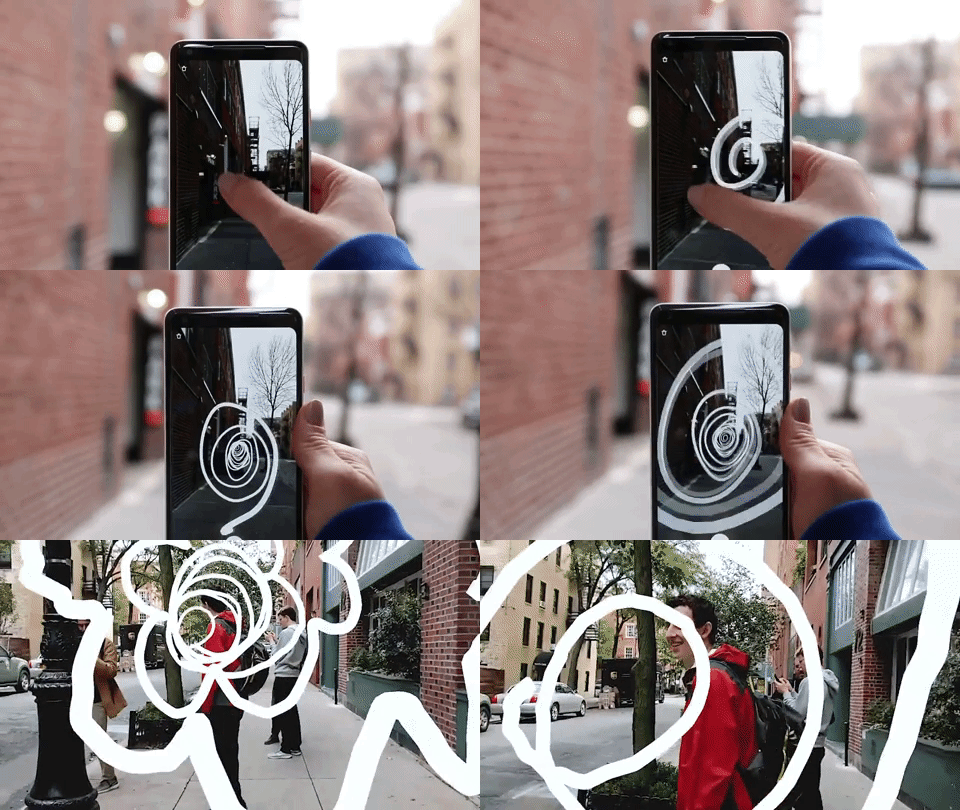
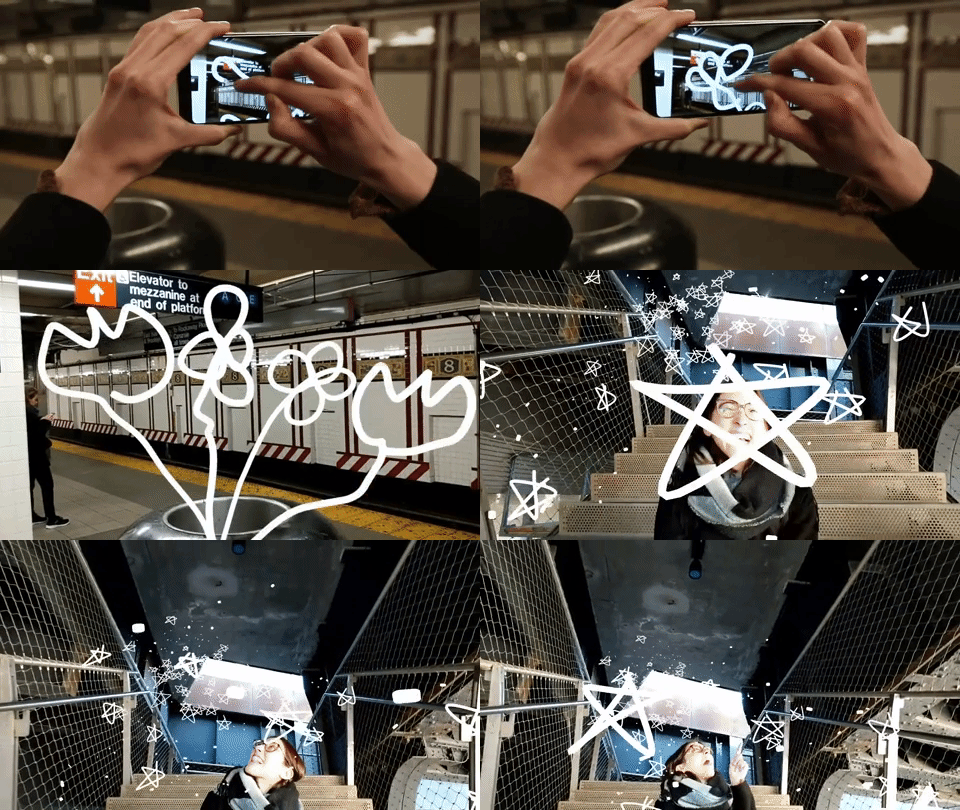
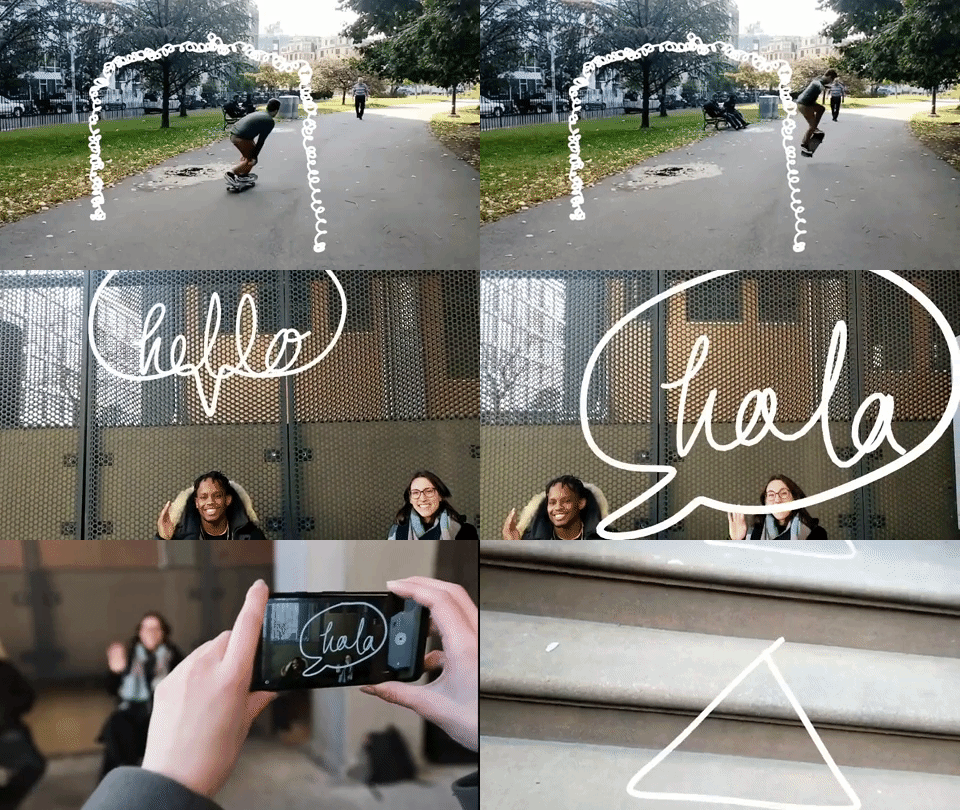 See the full story here: https://mobile-ar.reality.news/news/google-wants-everyone-try-scribble-art-augmented-reality-0183672/
23Mar/18Off
Virtual reality: Marina Abramović and Anish Kapoor at Art Basel Hong Kong
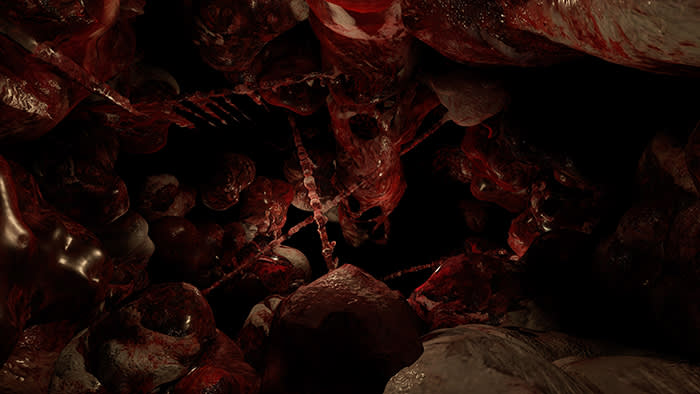
Next week sees the first public showing of two new short VR works at Art Basel Hong Kong, by equally distinguished figures from the art world, Anish Kapoor and Marina Abramović. They are being presented by the fair’s “virtual reality partner”, the Taiwanese electronics company HTC, as part of its Vive Arts programme highlighting the links between breaking developments in technology and the art world. The works by the two artists are, not surprisingly, very different. Kapoor’s “Into Yourself, Fall” is a journey through the human body, promising a “disorientating sensation of radical introspection” as the viewer negotiates vertiginous twists in a world that is both abstract and uncomfortably familiar. Abramović’s “Rising” is a polemical piece, asking us to consider the effects of climate change as we interact with an avatar of the artist who is slowly drowning inside a glass tank. The interaction continues after the viewing, via the downloading of an app which will periodically remind us of the artist’s struggles inside the tank and ask us to “save” her and, by extension, our planet.
See the full story here: https://www.ft.com/content/7f9d89d2-2c66-11e8-97ec-4bd3494d5f14
23Mar/18Off
The history of VR in movies and TV: virtual reality Hollywood
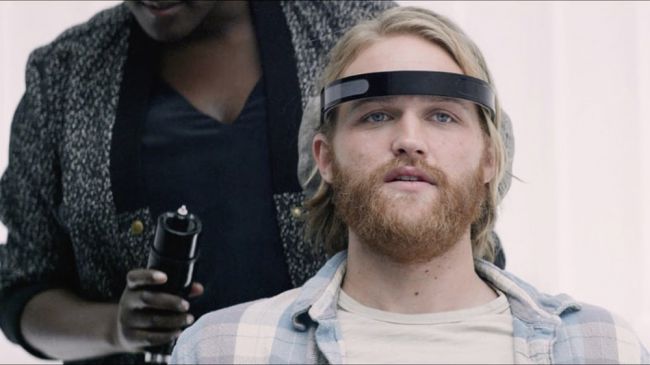 See the full story here: https://www.techradar.com/best/ready-player-one-and-the-history-of-vr-in-movies-and-tv-virtual-reality-hollywood
23Mar/18Off
Google Is Developing Its Own Blockchain-Related Technology
 Google is one of the largest information holders in the world, and while it’s security is strong, there is still room for improvement. To that end, Google is working on its own “blockchain-related technology,” according to Bloomberg. Sources close to the project say that Google is working to develop its own “distributed digital ledger that third parties can use to post and verify transactions.” Essentially, it would project consumer information stored on its cloud services. No release date has yet to be announced.
This move would be a way for Google to stand apart from cloud competitors, reports Bloomberg. The Internet giant has been acquiring and/or investing in various startups that have expertise in digital ledgers. Additionally, its parent company, Alphabet Inc., led all corporate investors in the field last year.
For those who’ve heard buzzwords like “blockchain” and “Bitcoin,” but aren’t entirely clear on what it all means, Bloomberg provides an apt description:
“Digital ledgers like blockchain power Bitcoin and other cryptocurrencies. They are databases that are updated regularly across thousands of computers over the Internet. Each entry is confirmed by these machines, which can be part of public networks or run privately by companies. There are different kinds of digital ledgers — blockchain is only one. Data crunched by this technology range from transactions to supply-chain updates to digital cats.”
See the full story here: http://www.etcentric.org/google-is-developing-its-own-blockchain-related-technology/
23Mar/18Off
Get Your Virtual Pat-Down On In This TSA VR Simulator
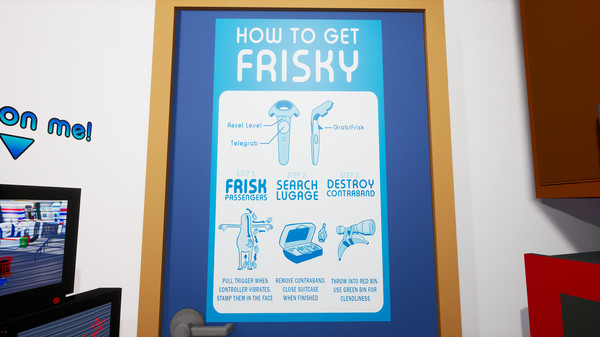 Developed by Out There Entertainment, TSA Frisky finally delivers my long-sought answer, allowing me to step back into my shoes (get it?) and into the role of an official TSA agent. Tasked with keeping my bustling airport safe, it’s my responsibility to check both passengers and their luggage for any illegal contraband to confiscate in this Papers Please-like VR experience.
Using the Vive controllers, I can frisk travelers to discover restricted items, hitting the trigger when I feel a vibration to confiscate and then toss them into the appropriate bin. For extra help, I can also use the wand scanner on my tool belt to reveal even more hidden contraband. After that, I need to search through their luggage for any other suspicious objects. Once I’m done I just need to shut the suitcase and stamp their face for approval. You know, standard airport procedures.
22Mar/18Off
Operating A Chemical Plant Using Augmented Reality
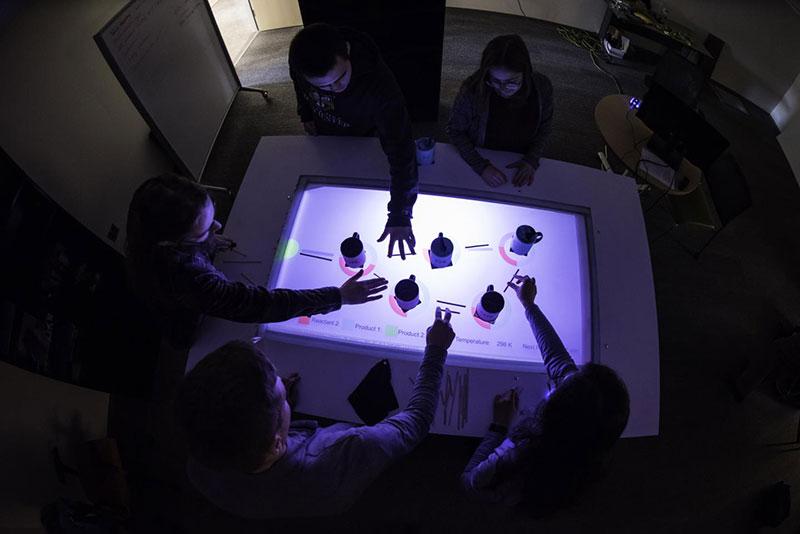 Using an augmented reality (AR) platform, a chemical engineering professor at the University of Rochester in New York is developing an innovative way for his students to understand and conduct chemical reactions. While simple in its design—webcam, computer, projector, and a pane of glass—the AR tabletop is impressive in its execution. This teaching experiment, developed in Professor Andrew White’s lab, turned out to have some interesting implications for the chemical industry, as well.
In augmented reality, the coffee mugs transformed into 10-cubic meter reactors—both plug flow and continuous stirred-tank reactors—and the popsicle sticks were suddenly pipes used to connect them. Student’s also had a nob which allowed them to adjust each reactor’s temperature as it was added to the configuration. Cameras captured reactor locations, and then this information was relayed to a computer, which was hooked up to a projector that displayed the results of the simulations onto the tabletop.
Even further, White and his collaborators—graduate students, Heta Gandhi and Rainier Barrett, and Dr. April Leuhmann and Dr. Brendan Mort—hope to work with the Rochester Museum & Science Center to develop an AR platform for simulating oil spills at the molecular level. White says the platform has the potential to be part of the conversation regarding the use of oil dispersants during a spill. The impact these dispersants have on wildlife is highly contended, and White and his colleagues believe AR could “allow people to try to design an oil surfactant and test its performance to separate oil and water with a molecular dynamics simulation while at the same time using QSAR modeling to assess its toxicity.” They also have future plans to develop a way to “control where a dispersant is injected in an interactive oil spill.”
See the full story here: https://www.chem.info/article/2018/03/operating-chemical-plant-using-augmented-reality
22Mar/18Off
NY Times Brings Readers Closer to Bowie’s Freaky Costumes in Augmented Reality
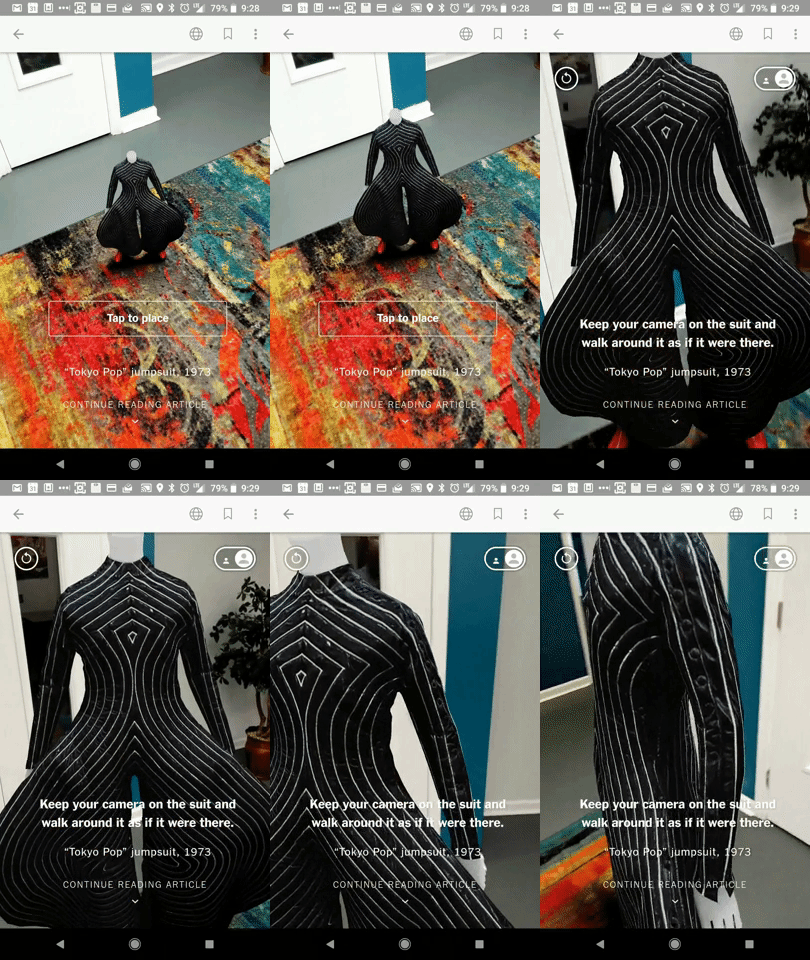
 With digital music and streaming services gaining in popularity, augmented reality could replace the album art experience that many music fans of older generations wax poetically about as the centerpiece of listening to the music of their youth. Because why stare at photos of your favorite artists when you can invite them into your bedroom?
See the full story here: https://mobile-ar.reality.news/news/ny-times-brings-readers-closer-bowies-freaky-costumes-augmented-reality-0183630/
21Mar/18Off
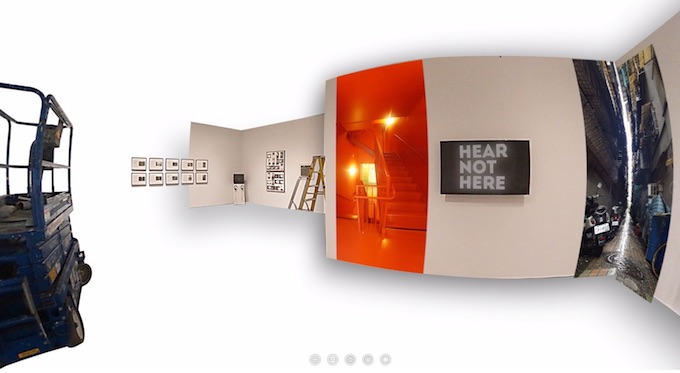
DEEP DIVE OR THE LIMITS OF IMMERSION – VIRTUAL REALITY EXHIBITION OPENS 4/4/18
Thursday, April 5th – Thursday, April 26, 2018
Worth Ryder Art Gallery, 116 Kroeber Hall, UC Berkeley Campus
Deep Dive or The Limits of Immersion explores the possibilities and challenges of Augmented Reality and Virtual Reality (AR/VR) to shape, integrate, and confuse aspects of reality.
The eight artists included in the exhibition have created guided meditations that take the viewer through various computer generated landscapes. The liminal spaces in AR/VR present poetic imaginaries of ecology, technology, history, postcolonial thought, and disability, while creating temporal and spatial multiplicities.
At a time when consumer-grade VR equipment is just coming on the market, and AR games and apps are becoming increasingly ubiquitous, this exhibition challenges artists and viewers to engage with a potentially powerful technology, while questioning its limitations and consequences.
Co-Sponsored by the Department of Art Practice and Digital Humanities at Berkeley.
See the full story here: http://art.berkeley.edu/events/event/deep-dive/