 MIT is working on a new chip, however, to perform this sort of public-key encryption that only uses 1/400 as much power as a software solution would. In addition, the chip uses about 1/10 as much memory and executes processes 500 times as fast.
15Feb/18Off
Magic Leap, NBA and Turner Sports Partner for Future AR App
 AR startup Magic Leap has partnered with the NBA and its broadcast partner Turner Sports to allow some users to watch some NBA content with the Magic Leap headset, once it is released. People wearing the headset will see multiple screens overlaid on the real world; they will be able to “pin” those screens to a wall or watch them as they walk around. Initially, live NBA games will not be available. As Magic Leap readies its headsets for sale, its chief executive says the cheapest will be the price of a high-end smartphone.
Recode reports that, according to NBA senior vice president of global media distribution Jeff Marsilio, “eventually, the game could be available streaming on your coffee table as though you were a giant looking into the arena from above.” “Those are some ideas, those are things that we’re working towards,” he said. “[They’re] not quite ready, but actually more possible than you might think.”
Magic Leap says it is using “Digital Lightfield” technology, but TechCrunch opines that, “we still don’t actually know what that means and whether they are using true light field tech or something that can simply fake it.”
See the full story here: http://www.etcentric.org/magic-leap-nba-and-turner-sports-partner-for-future-ar-app/
14Feb/18Off
Robert Rodriguez preps VR action series ‘The Limit’
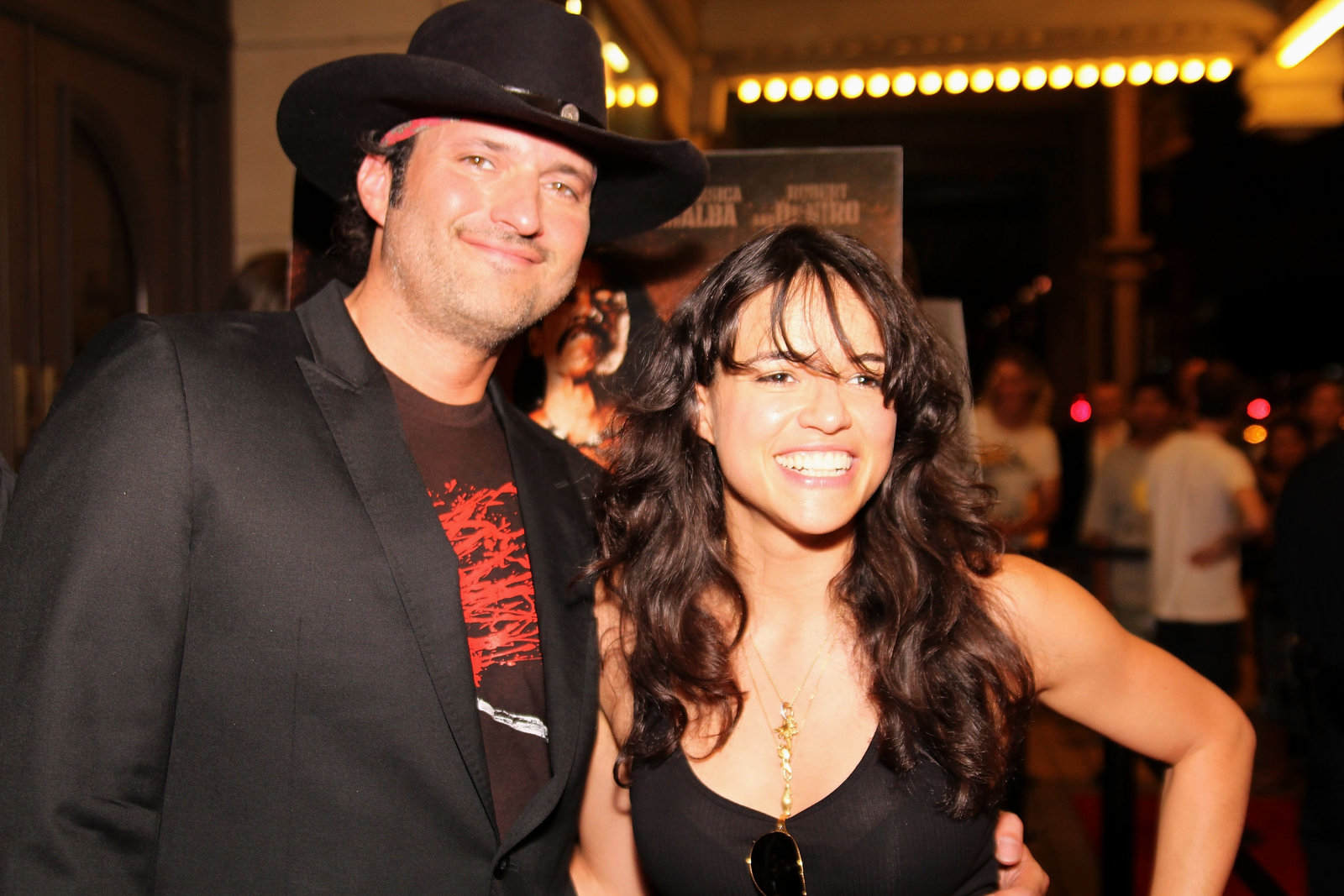
Director Robert Rodriguez and Actress Michelle Rodriguez attend the Austin Screening of "Machete" at The Paramount Theater on September 2, 2010 in Austin, Texas.
Director Robert Rodriguez has been teasing a virtual reality video project for a while, and now it's clear just what it entails. He's partnering with STXon The Limit, a short-form VR action series starring long-time collaborator Michelle Rodriguez as a "genetically enhanced weapon of mass destruction" bent on destroying her creators.
The Limit will premiere sometime in mid-2018 on STX's upcoming VR 'channel' Surreal as an app for headsets.
...he's experimenting with VR video production while the format is still young, but has grown just enough to start reaching the mainstream.
See the full story here:https://www.engadget.com/2018/02/14/robert-rodriguez-vr-action-series/
14Feb/18Off
App combines virtual reality with personalized psychotherapy
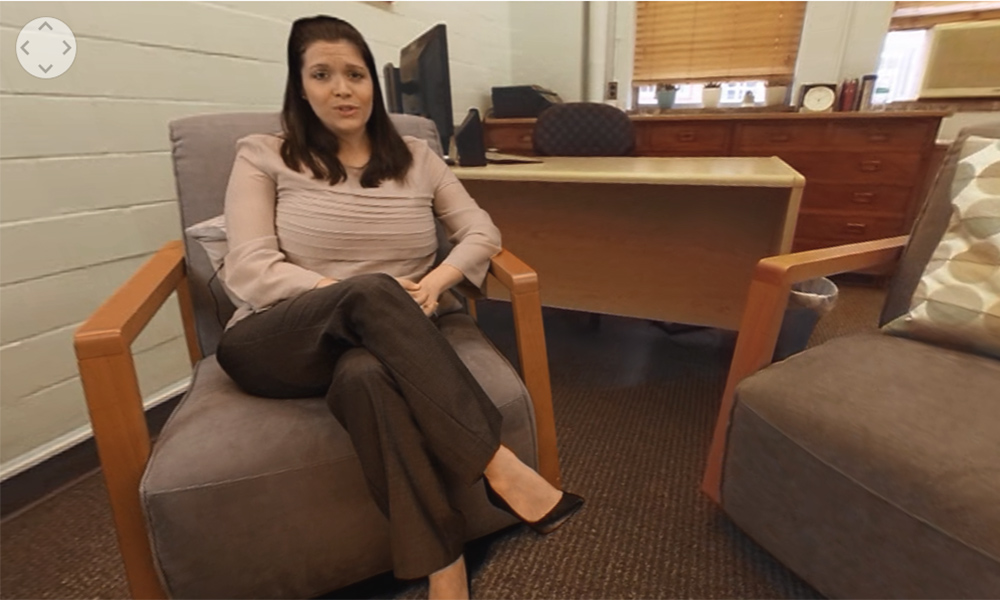 Here’s how the app works:
- Patients use their smartphones to access the app. They can see and hear the therapist, but can also look around the therapist’s room, which was filmed using a virtual reality camera.
- During a session, the therapist might assign the patient a task, such as completing a questionnaire about anxiety levels.
- The patient completes the in-app questionnaire. The answers dictate which video of the therapist plays next.
Later, the therapist might suggest a mindfulness exercise in which the patient is asked to imagine being in a relaxing environment, such as a beach. - The patient is then shown environmental photographs and asked to select a preference. Earlier in the module, the patient was able to identify personal preferences for calming music.
- The app’s algorithms then serve up the patient’s preferred 3D environment (a beach, complete with the sound of waves) and accompanying music. Meanwhile, the virtual therapist talks the patient through the mindfulness exercise.
The next time the patient uses the app for an on-demand therapy session, the previous answers along with visual and aural preferences will be taken into account.
Evidence-based psychotherapeutic practices? Check.
Aesthetically pleasing and immersive video and music? Check.
Built-in algorithms that deliver personalized content based on your needs and preferences? Check.
See the full story here: http://www.rochester.edu/newscenter/intersections-app-combines-virtual-reality-personalized-psychotherapy-cognitive-behavioral-therapy-296922/
14Feb/18Off
Why IoT Finally Makes Augmented Reality Important
 Volumetric Geofencing and Geotagging
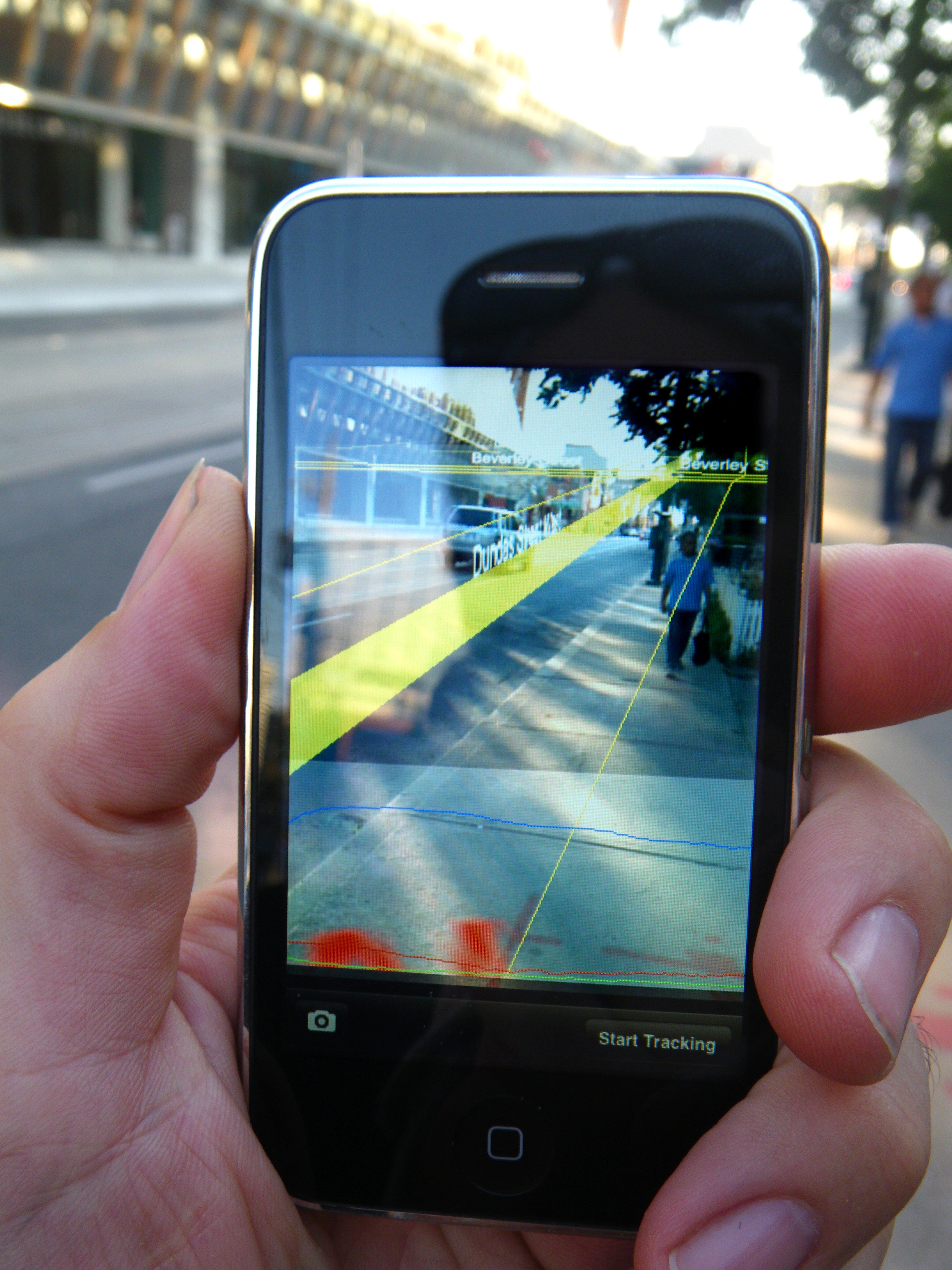
As the internet of things connects us more closely with our location, it also provides opportunities for increased privacy and protection. Augmented reality development is now looking at ways to protect against terrorism: A statement from the Swedish governmentexplains that they are seeking a “technical solution to enable only authorized vehicles to be driven within a geographically defined area.”
See the full story here: https://mutualmobile.com/posts/why-iot-finally-makes-augmented-reality-important
13Feb/18Off
Tech’s Ethical ‘Dark Side’: Harvard, Stanford and Others Want to Address It
 This semester, Harvard University and the Massachusetts Institute of Technology are jointly offering a new course on the ethics and regulation of artificial intelligence. The University of Texas at Austin just introduced a course titled “Ethical Foundations of Computer Science” — with the idea of eventually requiring it for all computer science majors.
And at Stanford University, the academic heart of the industry, three professors and a research fellow are developing a computer science ethics course for next year. They hope several hundred students will enroll.
The idea is to train the next generation of technologists and policymakers to consider the ramifications of innovations — like autonomous weapons or self-driving cars — before those products go on sale.
“Technology is not neutral,” said Professor Sahami, who formerly worked at Google as a senior research scientist. “The choices that get made in building technology then have social ramifications.”
“It was really focused on trying to help them understand what in their everyday practice as a data scientist they are likely to confront, and to help them think through those challenges more systematically,” said Solon Barocas, an assistant professor in information science who taught the course.
The curriculum also covers the spread of algorithmic risk scores that use data — like whether a person was ever suspended from school, or how many of his or her friends have arrest records — to forecast whether someone is likely to commit a crime.
See the full story here: https://www.nytimes.com/2018/02/12/business/computer-science-ethics-courses.html
12Feb/18Off
Information Apocalypse
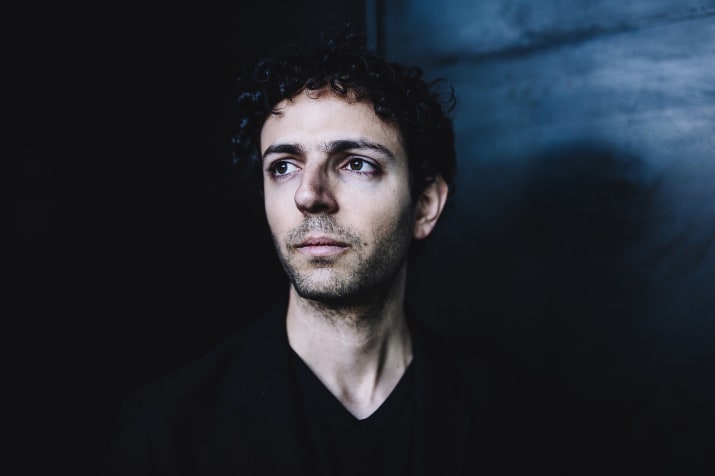 technologist Aviv Ovadya
Today Ovadya and a cohort of loosely affiliated researchers and academics are anxiously looking ahead — toward a future that is alarmingly dystopian.
For Ovadya — now the chief technologist for the University of Michigan’s Center for Social Media Responsibility and a Knight News innovation fellow at the Tow Center for Digital Journalism at Columbia — the shock and ongoing anxiety over Russian Facebook ads and Twitter bots pales in comparison to the greater threat: Technologies that can be used to enhance and distort what is real are evolving faster than our ability to understand and control or mitigate it.
Then there’s automated laser phishing, a tactic Ovadya notes security researchers are already whispering about. Essentially, it's using AI to scan things, like our social media presences, and craft false but believable messages from people we know. The game changer, according to Ovadya, is that something like laser phishing would allow bad actors to target anyone and to create a believable imitation of them using publicly available data.
“Previously one would have needed to have a human to mimic a voice or come up with an authentic fake conversation — in this version you could just press a button using open source software,” Ovadya said.
That can lead to something Ovadya calls “reality apathy”: Beset by a torrent of constant misinformation, people simply start to give up. “People stop paying attention to news and that fundamental level of informedness required for functional democracy becomes unstable.”
Ovadya (and other researchers) see laser phishing as an inevitability. “It’s a threat for sure, but even worse — I don't think there's a solution right now,” he said. “There's internet scale infrastructure stuff that needs to be built to stop this if it starts.”
Ovadya’s premonitions are particularly terrifying given the ease with which our democracy has already been manipulated by the most rudimentary, blunt-force misinformation techniques.
For those paying close attention to developments in artificial intelligence and machine learning, none of this feels like much of a stretch. Software currently in development at the chip manufacturer Nvidia can already convincingly generate hyperrealistic photos of objects, people, and even some landscapes by scouring tens of thousands of images. Adobe also recently piloted two projects — Voco and Cloak — the first a "Photoshop for audio," the second a tool that can seamlessly remove objects (and people!) from video in a matter of clicks.
... “generative adversarial network” (GAN), which is a neural network capable of learning without human supervision...GANs have both “imagination and introspection” and “can tell how well the generator is doing without relying on human feedback.”...
“Whether it’s AI, peculiar Amazon manipulation hacks, or fake political activism — these technological underpinnings [lead] to the increasing erosion of trust,” computational propaganda researcher Renee DiResta said of the future threat. “It makes it possible to cast aspersions on whether videos — or advocacy for that matter — are real.” DiResta pointed out Donald Trump’s recent denial that it was his voice on the infamous Access Hollywood tape, citing experts who told him it’s possible it was digitally faked. “You don't need to create the fake video for this tech to have a serious impact. You just point to the fact that the tech exists and you can impugn the integrity of the stuff that’s real.”
Last week, the NYC Media Lab, which helps the city’s companies and academics collaborate, announced a plan to bring together technologists and researchers in June to “explore worst case scenarios” for the future of news and tech. The event, which they’ve named Fake News Horror Show, is billed as “a science fair of terrifying propaganda tools — some real and some imagined, but all based on plausible technologies.”
...the first step for researchers like Ovadya is a daunting one: Convince the greater public, as well as lawmakers, university technologists, and tech companies, that a reality-distorting information apocalypse is not only plausible, but close at hand.
“I think what you’re seeing now is an attack on the enlightenment — and enlightenment documents like the Constitution — by adversaries trying to create a post-truth society. And that’s a direct threat to the foundations of our current civilization."
"I’m from the free and open source culture — the goal isn't to stop technology but ensure we're in an equilibria that's positive for people. So I’m not just shouting ‘this is going to happen,' but instead saying, ‘consider it seriously, examine the implications," Ovadya told BuzzFeed News.
That said, Ovadya does admit to a bit of optimism. ... "But the last few months have been really promising. Some of the checks and balances are beginning to fall into place." Similarly, there are solutions to be found — like cryptographic verification of images and audio, which could help distinguish what's real and what's manipulated.
See the full story here: https://www.buzzfeed.com/charliewarzel/the-terrifying-future-of-fake-news?utm_term=.ml601wWXG#.xeJwJnD82
12Feb/18Off
Why is Occlusion in Augmented Reality So Hard?
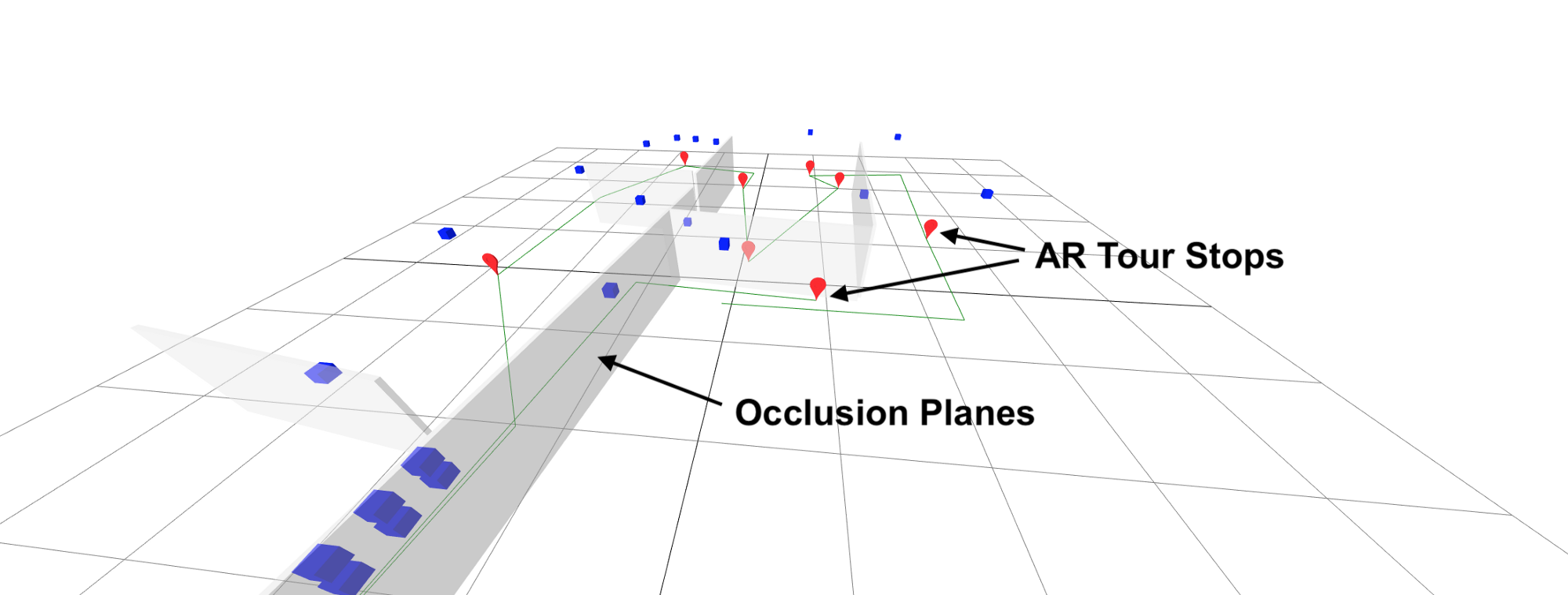 The main problem with all the above systems is that in terms of depth sensing, they have:
- Poor range (<4m): The size and power limitations of mobile devices restrict the range of IR and Stereo depth sensors.
- Low resolution: Smaller objects in the scene are not discernible in the point cloud and it’s really hard to achieve crisp and reliable occlusion surfaces.
- Slow mesh reconstruction: Current methods of generating meshes from point clouds are too slow for real-time occlusion on these devices.
How can you hack occlusion today ?
Perfect occlusion is an elusive target, but we can get close to it in some situations, especially when we can relax the real-time constraint.
If the application allows pre-mapping the environment, it’s possible to use a pre-built mesh as an occlusion mask for the larger prominent objects in the scene, provided they don’t move.
This means that you’re not limited to the 4m range of the depth sensor, at least for occlusion behind static objects.
Moving objects are still a problem and the only solution right now it to use the depth map masking method for close range moving objects like your hands.
In fact, centimeter-level position tracking indoors and outdoors is a critical component of occlusion and through our work with Placenote, we’re working towards a cloud-based visual positioning system that can solve some of these problems.
See the full, long article here: https://hackernoon.com/why-is-occlusion-in-augmented-reality-so-hard-7bc8041607f9