Immersive entertainment has a naming problem
 The future of entertainment is here, we just don’t know what to call it

Last week, news broke that Disney was surveying customers about a new name for its Florida-based Hollywood Studios. The change would come alongside a fundamental reimagining of the park itself, moving away from the ride-centric home to attractions like Star Tours and The Twilight ZoneTower of Terror, and towards a more interactive, immersive land in line with the upcoming Star Wars: Galaxy Edge. “Enter this newly named Disney Theme Park and completely immerse yourself in the realm of some of your favorite stories,” the survey read, promising guests the chance to “step into imagined worlds made real, and take the lead in an adventure that surrounds you at every turn.”
These are issues that arise when any new medium begins migrating into the mainstream. But the trick with immersive entertainment is that it’s not a specific medium like cinema or television.
It’s part of the reason why the immersive sub-genres that have taken off the most have such functional names like “escape room” or “haunted house.” Potential audiences know the baseline parameters for those kinds of experiences going in, just like they do with a movie or a baseball game. “Immersive entertainment,” however, can cover everything from the VR attraction The Void, to Sleep No More, to a months-long alternate reality game and immersive theater hybrid like The Lust Experience. Each of those works are profoundly different, and when they’re stuck with the same label, that label begins to mean nothing at all. Factor in the rise of “immersive” as a general go-to marketing buzzword, and the waters are muddied even further.
Disney is no doubt hoping to sidestep some of that confusion. From everything we’ve learned thus far, the company is trying to create its own particular style of immersive entertainment, one that will combine theme parks, resort hotels, live actors, and interactive environments. Disney can then own that specific kind of experience in the public’s eyes by branding it however it likes. Should it land on an option like “Storyverse Park,” it’s easy to see the company opening a string of those lands across the world.
Talk to the visionaries at ILMxLab, and they describe an interconnected landscape, one where movies, TV, virtual worlds, and other immersive mediums all co-exist simultaneously, part of one gigantic, persistent story world.
See the full story here: https://www.theverge.com/2017/9/3/16249464/disney-hollywood-studios-immersive-entertainment-naming-problem-being-there
MelodyVR, A company building the YouTube of virtual reality music highlights the biggest issue with VR
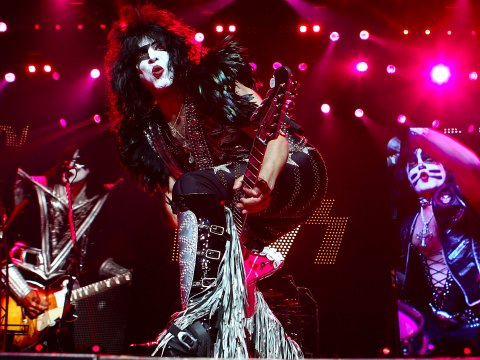 But that what MelodyVR is building — a virtual reality (VR) platform that lets you watch concerts from the "unobtainable seat in the house," right on stage, up close and extremely personal.
In reality though, it doesn't work like that. In the British company's Camden, North London offices in August, I tried the tech out for myself. Faces were blurry, details indistinct, pixels noticeable. It felt like I was watching everything through a gauze screen.
None of this is MelodyVR's fault. Instead, it's a clear illustration of one of the key problems facing virtual reality businesses right now: VR headsets still just aren't up to scratch.
They added: "I think we've probably got another six to 12 months before we lose that screen door effect, which is for us a frustration. It's another reason why we haven't shipped the product yet, which is when we want music fans to have their first experience, we want it to be amazing. We think it's pretty good, but it's maybe ... 20, 30% away from being that crystal clear resolution you get with a 4K display or higher."
'Consumers just don't care for it that much'
Matt Miesnieks, a partner at Super Ventures, an augmented reality-focused investment fund, agreed that hardware still presents problems for video companies. "The other type of company that has dropped off the radar in the 12 months is anyone doing 360-degree video. Capturing video, playing it back in Gear VR, for the same reason. Consumers just don’t care for it that much, so certainly to get that next level of sort of user engagement, there needs to be a new generation of technology," he said.
"That involves, in terms of content capturing, more of a light field.
See the full story here: http://www.businessinsider.com/melodyvr-app-virtual-reality-music-highlights-hardware-problems-2017-9?r=UK&IR=T
IFA 2017: The biggest announcements from Berlin’s tech show
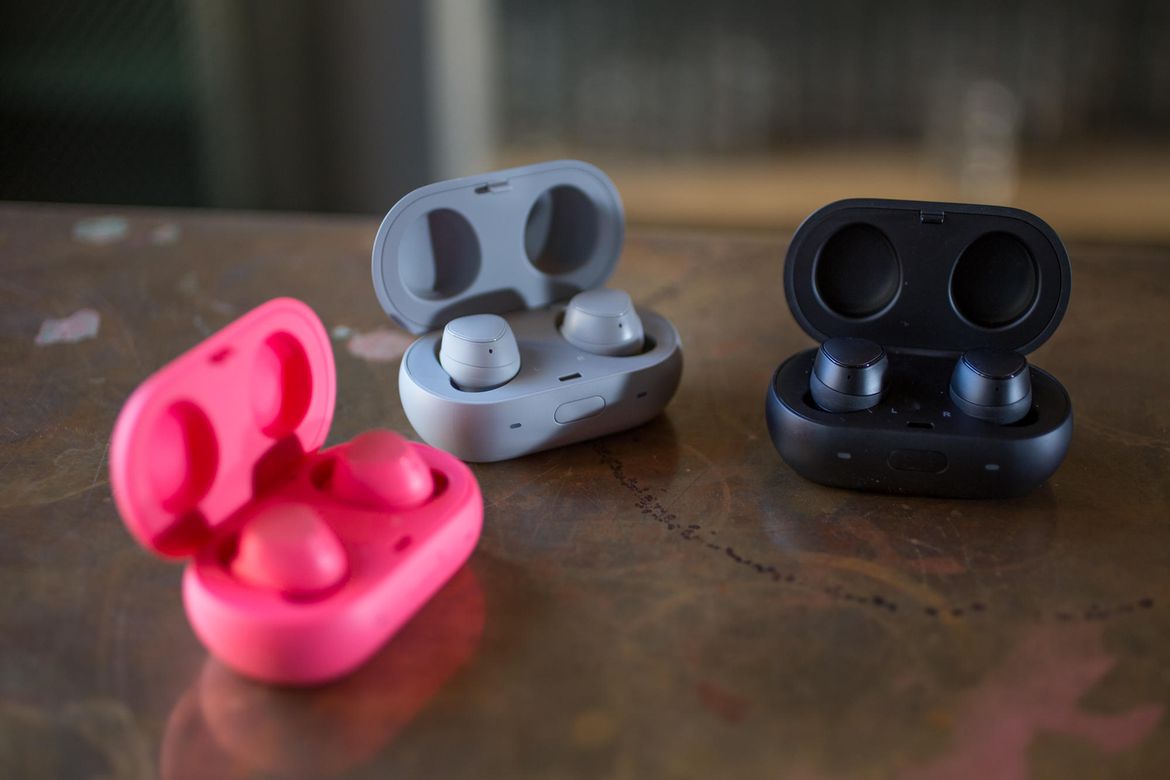 Samsung's Gear Icon X earbuds are truly wireless, with built-in heart rate monitoring -- and now, perhaps, an acceptable amount of battery life too.
Samsung promises five hours of streaming audio, and five more from the case, which charges the 'buds when they're inside. Plus, you can tap the 'bud to access Samsung's Bixby voice assistant if you've got a paired Galaxy phone.
 Acer Holo360
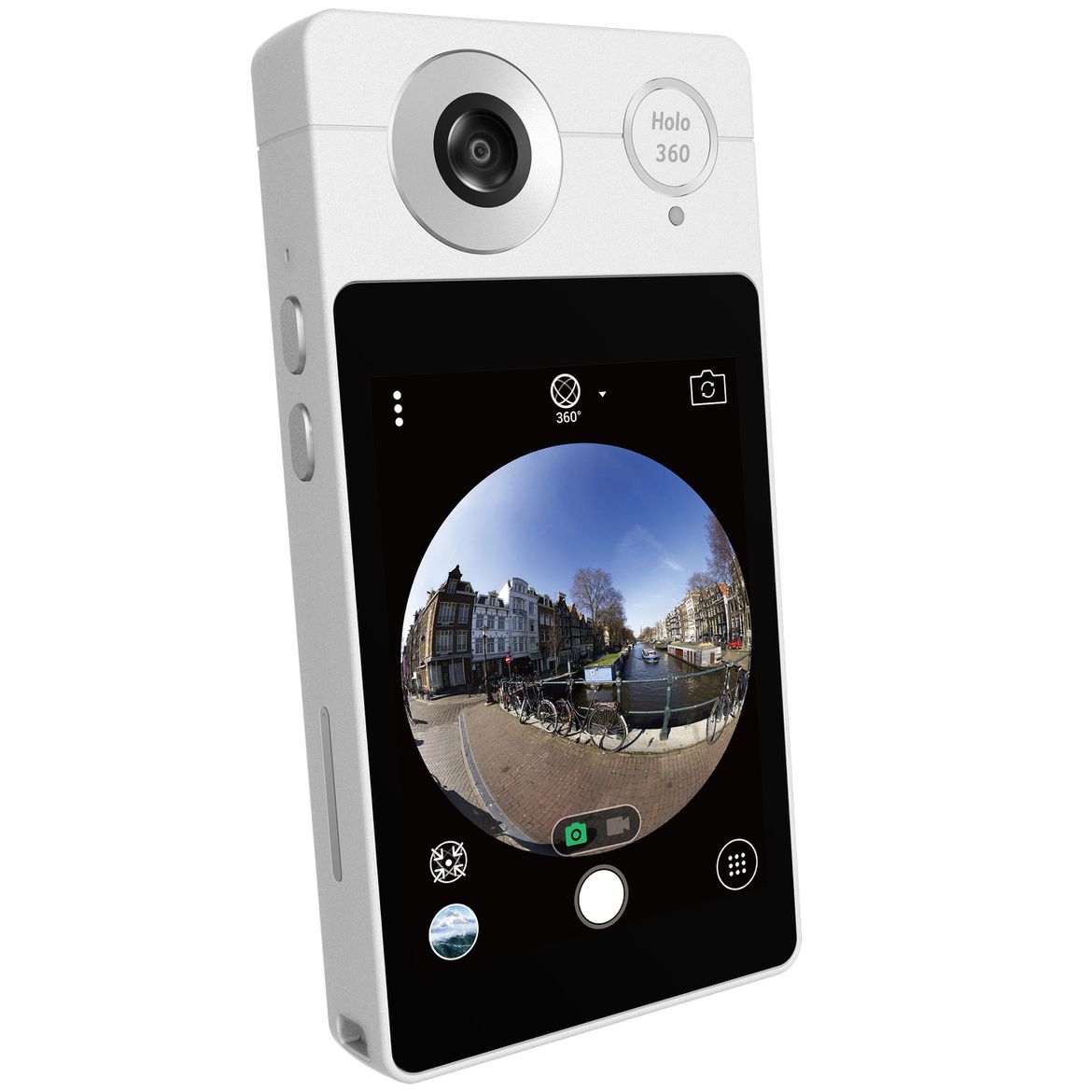
Remember the Flip Cam, the ubersimple all-in one portable video camera? Acer wants to do that for 360-degree video too. That's what the Holo360 is all about, with its built-in touchscreen and LTE data so you can set up a 360-degree livestream anywhere or share on the go.
$429 (approximately £330 or AU$540) this November.
 Google Assistant expands to third-party speakers
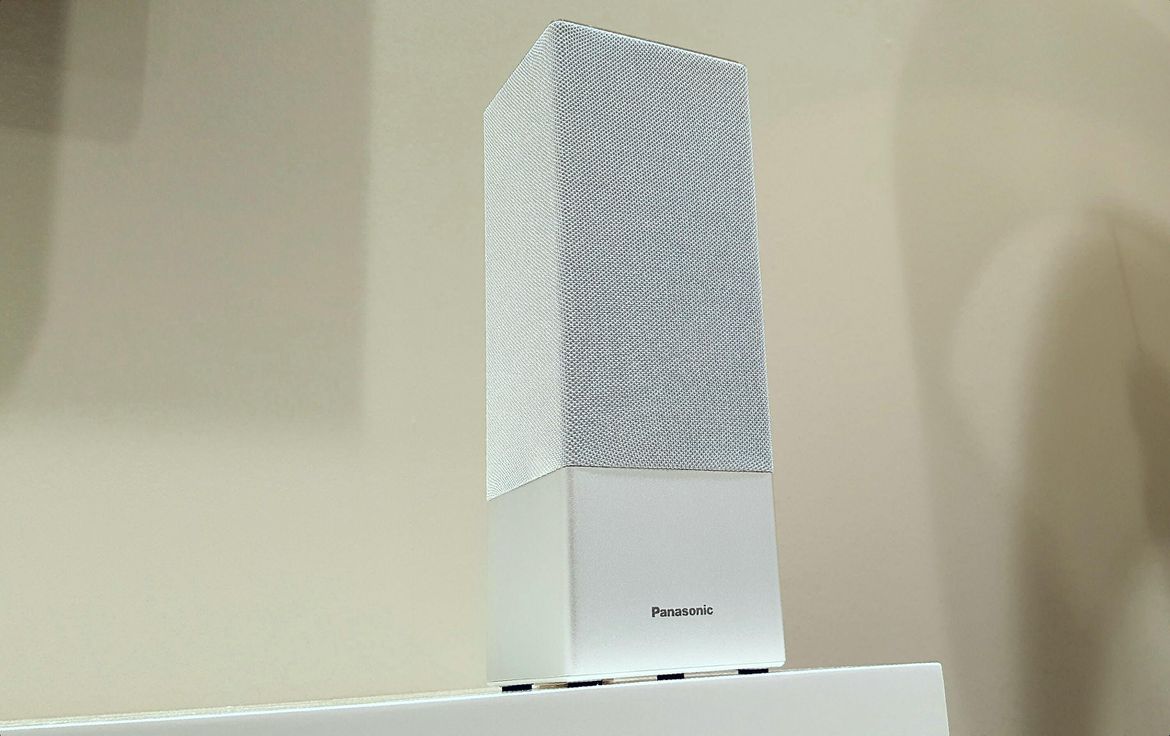
Soon, you won't need a Google Home to use the Google Assistant voice helper in your house. You'll be able to buy an Assistant-enabled speaker from another company, like this boring-looking -- or should I say, utilitarian -- Panasonic GA-10 you see right now. At IFA, three speaker manufacturers announced such products.
 Ricoh Theta V
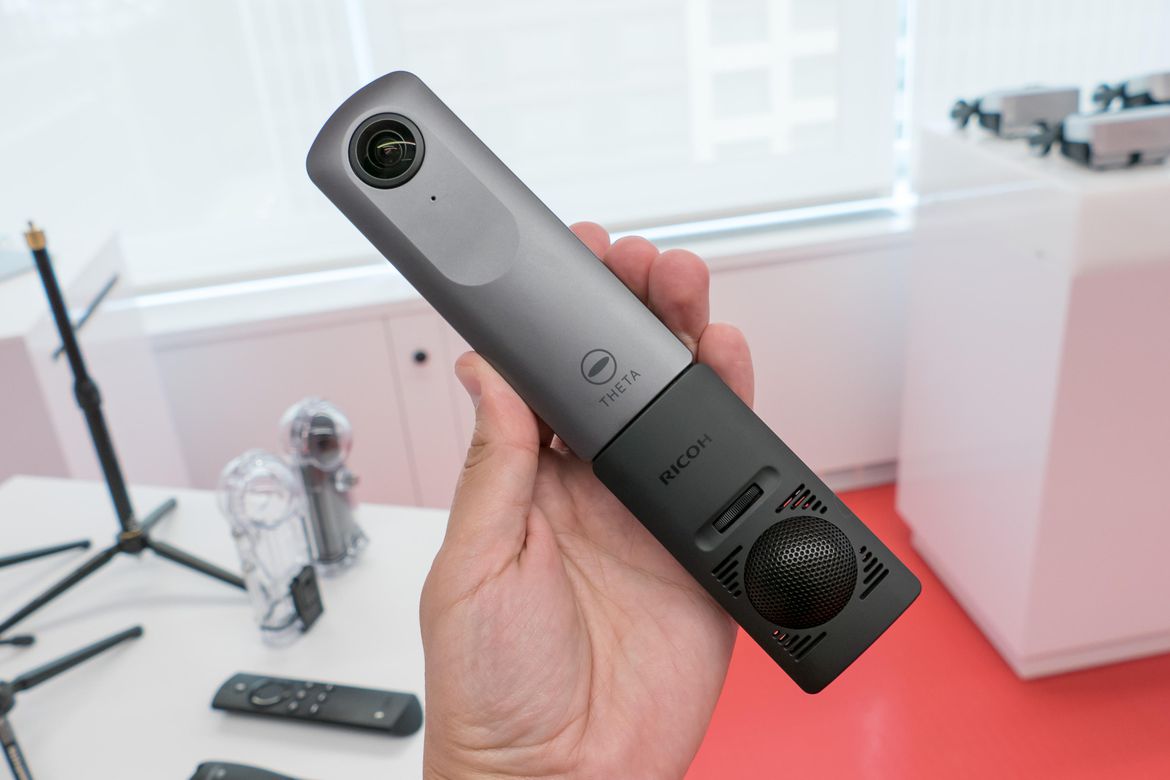
The Theta S's low-resolution, low-bit-rate video has been replaced with 3,840x1,920/30p video that records with a bit rate of 56Mbps, and it's now powerful enough to stitch your video together in real time. Plus, the camera's four omnidirectional mics can capture 360-degree audio.
The Ricoh Theta V is available now to order for $430 along with the TA-1 3D microphone for $270. That converts to about £330 and AU$545 for the camera and £210 and AU$340 for the mic. The TW-1 Underwater Case arrives in October for $200, which is about £155 and AU$250.
 LG V30
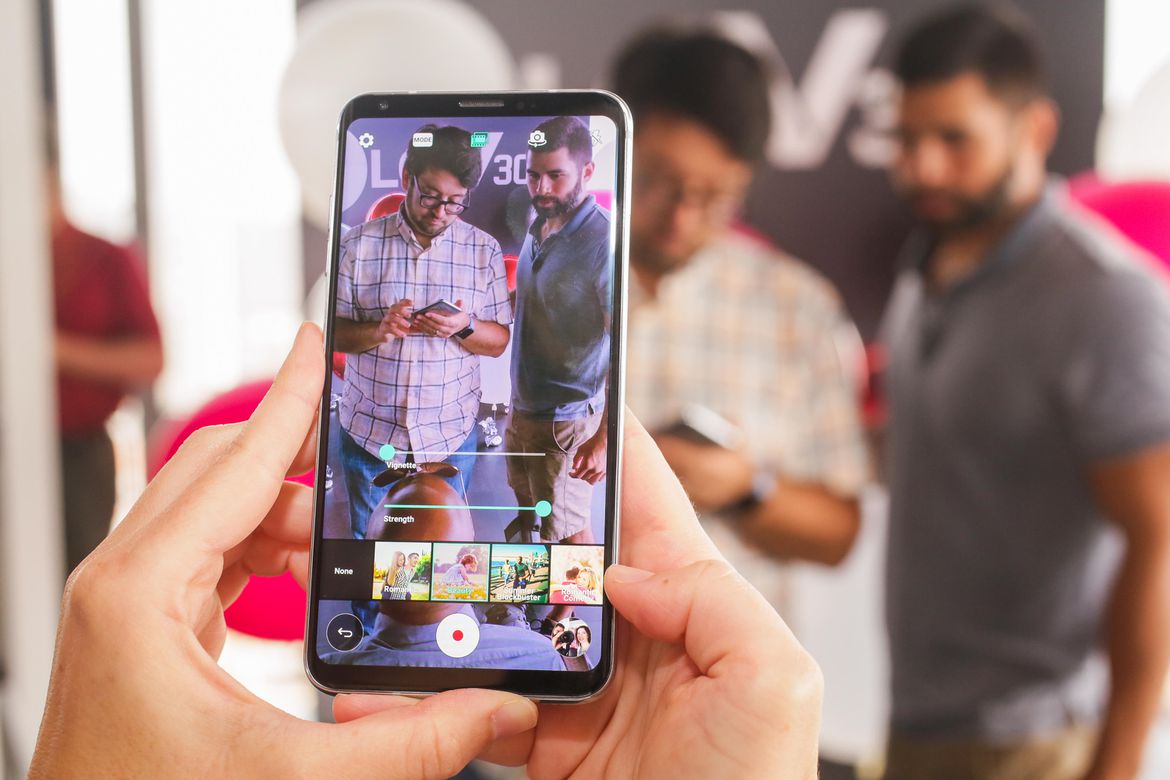
The V30 follow-up to the V20 phone looks gorgeous, sloughs away unnecessary features and amps up all its best features. It gets a better (OLED) screen, wireless charging and advanced video features you don't see on a typical phone. They include real-time filters, the ability to zoom to a specific point in the camera app and improved audio recording -- 32-bit sound and four different sound profiles (such as live and bass) plus digital filters to tweak a sound's characteristic, like making it sharper or slower.
It will be available first in South Korea on Sept. 21. North America, Asia, Europe, Africa and the Middle East will follow. So far, US carrier AT&T confirmed it will carry the V30, but gave no exact sale date.
As for pricing, nothing is official yet. But LG did say it will cost around the same price as the G6 and the V20, so expect it in the ballpark of $600 to $800, or about £650 in the UK and AU$760 to AU$1,010 in Australia.
 Sphero R2-D2
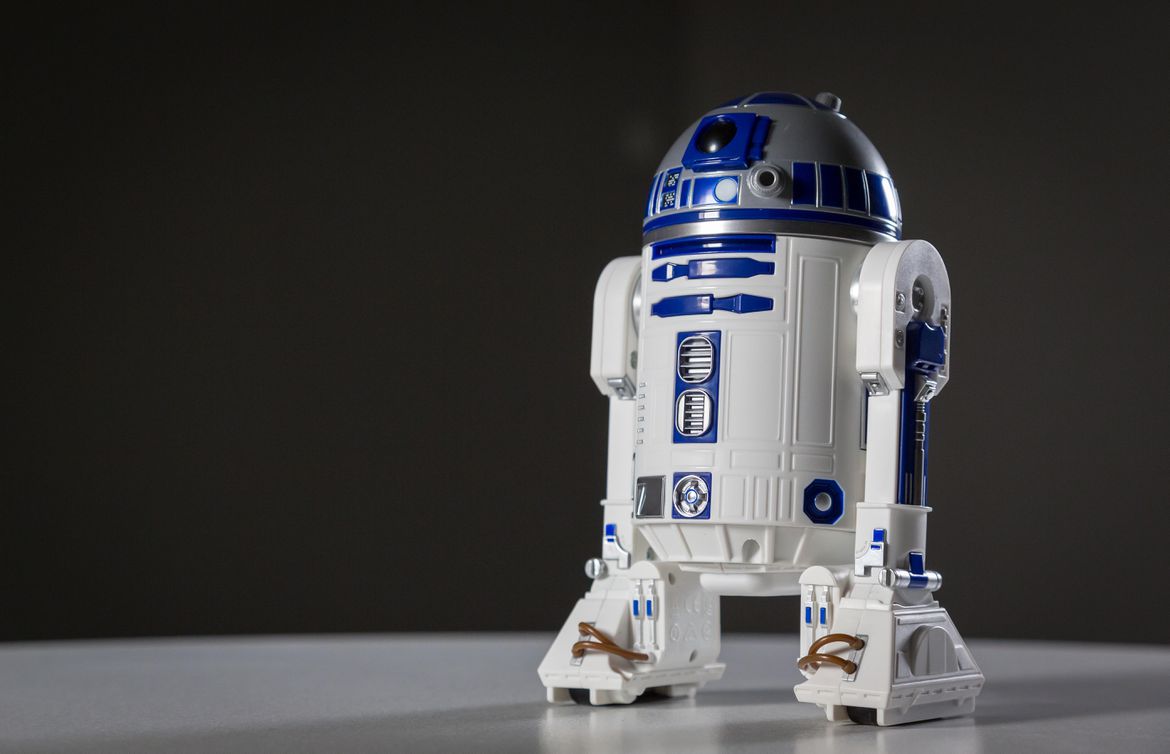
Sphero rolled out (pardon the pun) a couple of Star Wars app-controlled robots. The BB-9E is nice, but the R2-D2 excels. It rolls around on treads, or sprouts its third leg and leans back for movement on tougher surfaces like carpets. It can wobble with its feet, too. R2's head turns and lights up, and it makes all of R2's beeps and noises with its own speaker, something BB-8couldn't do. It also works with Apple's Swift Playgrounds programming environment for kids.
R2-D2 costs $180 (£179 in the UK, or $AU300), which is less than Lightning McQueen, but more than BB-8 and BB-9E.
See the full story here: https://www.cnet.com/au/pictures/ifa-2017-biggest-gadgets-news/
How Merge is Building an XR Ecosystem for Kids
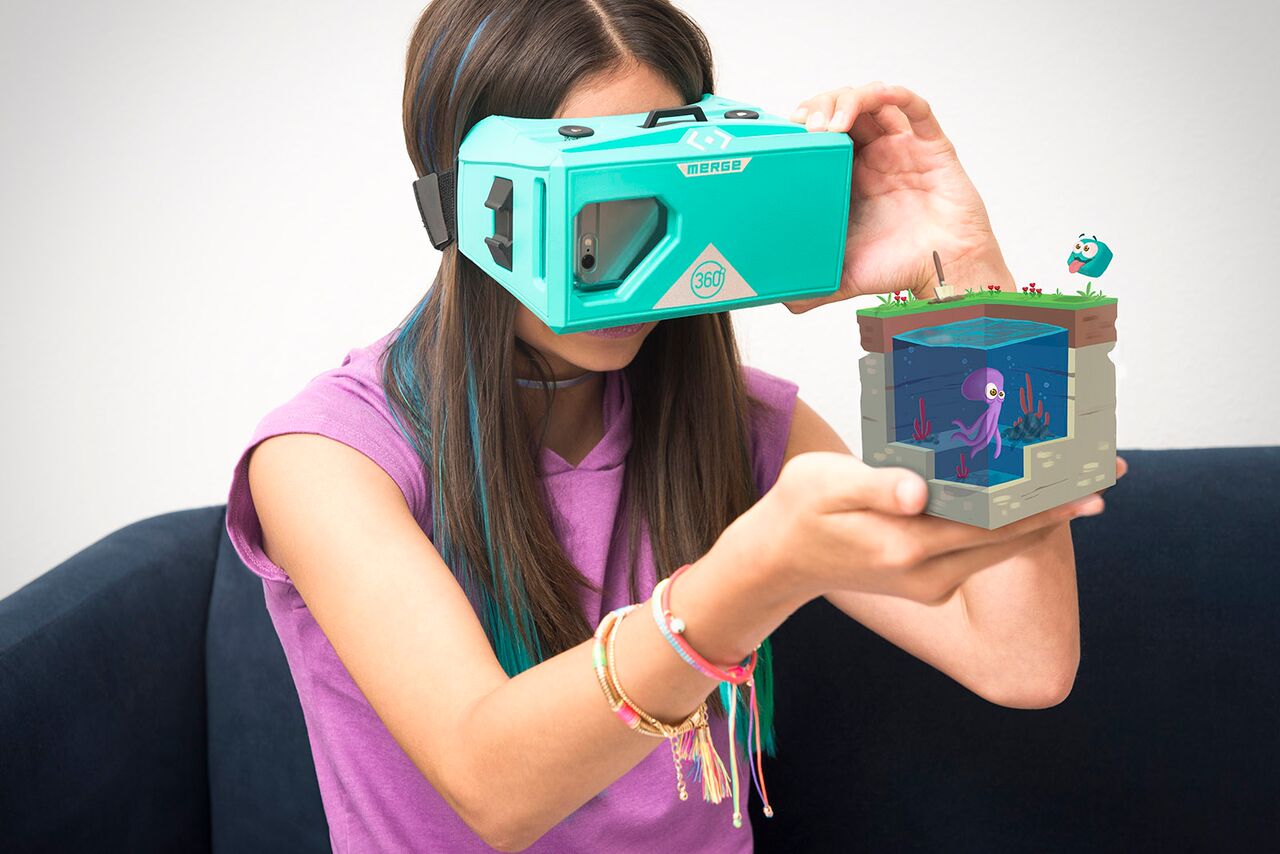
future sci-tech pioneers (AKA kids) are getting in on truly immersive experiences once only available to adults.
One Texas-based company, Merge, is spearheading efforts to check all three boxes by creating a kid-friendly VR/AR ecosystem.
The Merge ecosystem is comprised of Merge VR/AR Goggles; the Merge Miniverse, housing education and entertaining content; and the Merge Cube, which has been named the “world’s first holographic object you can hold in the palm of your hand.”
Some of the most popular kid-friendly experiences include Diving Exploration of Kelp Forest Aquarium, Star Wars Rogue One Recon, Transformers the Last Knight, NASA Astronaut Training Space Walk, and Cardio VR.
All of the Merge Miniverse apps are handpicked by the Merge team of VR/AR experts to ensure that each experience has been tested for quality, and includes ratings for age appropriateness, motion intensity and customer reviews. Some content might check all of those boxes, however Merge rejects apps that show advertisements or have aggressive in-app purchases.
In order to continue innovation in the VR and AR space, Merge is open to the development community and encourages people to contribute to the creating the future of play. Founder and CEO of Merge, Franklin Lyons stated, “We recently set aside $1 million to help bring other developers’ ideas to life (the Merge AR|VR Developer Fund). We’re committed to supporting their vision and want to invest in the developer community by helping make their ideas a reality.”
See the full story here: https://vrscout.com/news/merge-building-xr-ecosystem-for-kids/