Experts Ponder Implications of IoT Vulnerabilities and Risks
 The Pew Research Center reports that at a September 2016 meeting of security conference DEF CON, experts revealed 47 vulnerabilities impacting 23 IoT-enabled items from 21 manufacturers. The items included door locks, wheelchairs, and thermostats. Now, experts are asking if such security risks could “prompt people, businesses and government to avoid or withdraw from certain online connectivity options.”
To answer that question, Pew Research Center and Elon University’s Imagining the Internet Center conducted a nonscientific canvas of “technologists, scholars, practitioners, strategic thinkers and other leaders.”
Of the 1,201 respondents, 15 percent said, “significant numbers would disconnect, and 85 percent said that, “most people will move more deeply into connected life.” The themes that arose from their responses were that, “people crave connection and convenience, and a tech-linked world serves both goals well,” and that “unplugging isn’t easy now, and by 2026 it will be even tougher.”
They also noted that risk is “part of life,” and that “most people believe the worst-case scenario would never happen to them.”
See the full story here: http://www.etcentric.org/experts-ponder-implications-of-iot-vulnerabilities-and-risks/#more-116859
The Patent behind Google’s Augmented Reality Camera Feature called ‘Google Lens’ Pops up at the U.S. Patent Office
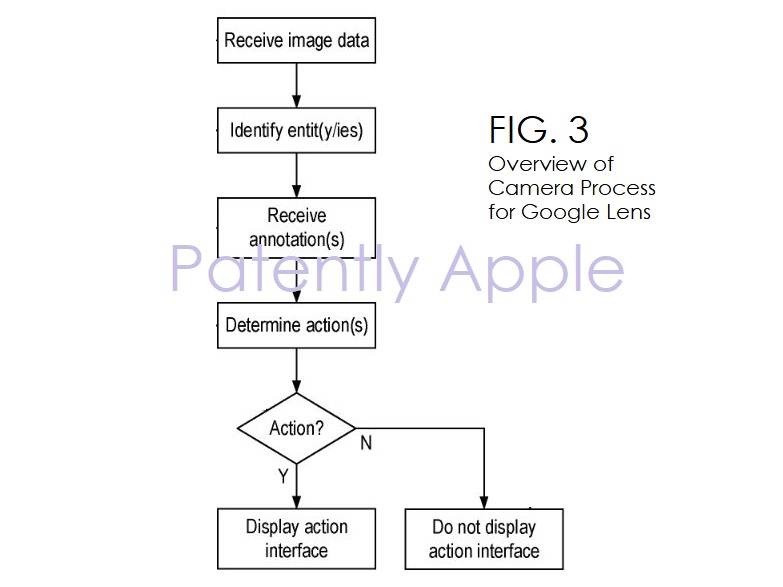 The feature is like a precursor to Augmented Reality. A user could take a photo and with one click get information about it. You could be in Chicago taking a photo of the tallest building and in one click you'll see 'Willis Tower' labeled on your photo.
This is the same technology that Apple owns which was recently granted a patent for.
Google Lens could go one step further by allowing a user to take a photo of a poster of an upcoming event and in one click they would be able to access Ticketmaster for tickets or more details of the upcoming event.
Location-Based Virtual Reality Startup Nomadic Raises $6 Million
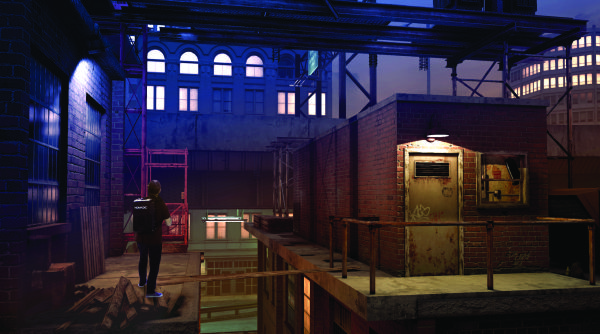 Bay Area-based virtual reality (VR) startup Nomadic has raised a $6 million round of seed funding led by Horizons Ventures, with participation from Maveron, Presence Capital, Vulcan Capital, and Verus International.
Nomadic is focused on location-based VR, and aims to launch VR centers in malls and theaters. The company is focusing on modular sets to make it easy to quickly switch out experiences — much in the same way a theater may replace movies every couple of weeks.
Nomadic is also in discussions with multiple studios, said CEO Doug Griffin. “We’ve heard this over and over and over from studios, that location-based is becoming part of their strategy.”
See the full story here; http://variety.com/2017/digital/news/nomadic-vr-6-million-1202462610/
Imax brings virtual reality to movie theaters
I mustered the courage to test out the Mummy Prodigium Strike VR option, despite popular belief that this demo (held in a small cubicle called a "pod") was the scariest one there. I'm usually the one laughing during a scary scene, but as screaming zombies, giant spiders and herds of crows started coming at me at super speed from every angle, I let out more yelps than I'd care to admit and found myself clutching my headset just to remind myself that it's only a game.
 I also couldn't help but wonder how strangely funny I looked to the outside world and what my closest friends would be doing in these moments. I'd bet they'd most definitely be pulling out their phones ready to capture me in entertaining action.
That's exactly what Imax CEO Richard L. Gelfond says he had in mind with these Imax VR centers, intending to make it a social experience that can be enjoyed by people both inside and outside of the game. That's the difference, according to him, between the Imax experience and setting up an HTC Vive at home, which can play most of the same games, but costs an substantial amount to set up. In Eagle Flight Multiplayer, you can be a bird flying over Paris while your friends joke about your bizarre head and arm gestures as they wait for their turn.
The VR arcade is currently only available in Los Angeles and New York locations, but 10 pilots are expected to launch by the end of the year in Imax movie theaters.
See the full story here: https://www.cnet.com/news/imax-brings-virtual-reality-to-movie-theaters/
Doug Liman Goes VR With ‘Invisible’: “I Thought People Could Do Better”
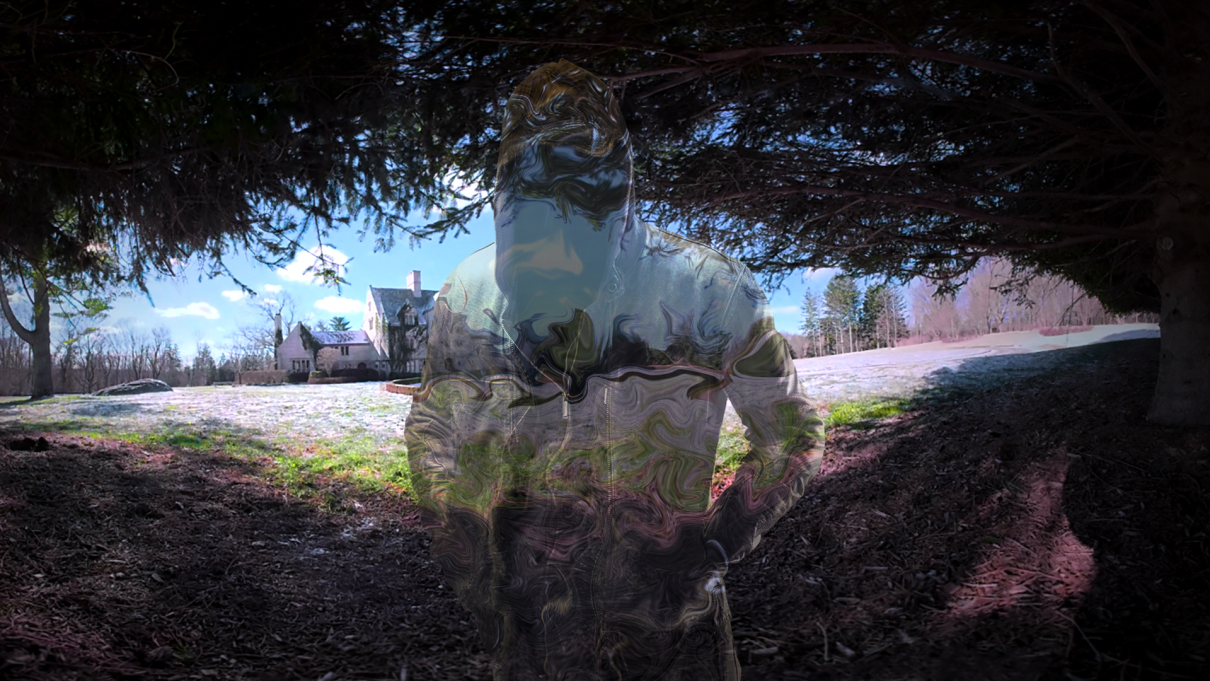 With Invisible—his latest project from Conde Nast Entertainment, Samsung and VR firm Jaunt—the Bourne Identity and Edge of Tomorrow helmer continues to push boundaries and question established procedure, entering the world of virtual realitywith a bang and a lot of action, and demonstrating that the much-discussed, burgeoning medium need not be reduced to a mundane, aimless panorama.
Speaking with Deadline, Liman touches on his proclivity for “immersive storytelling,” the low bar that has been set with VR, and the “Holy Grail” he is chasing after in the medium.
...
There’s some really boring VR content out there. It’s like watching a PBS videotape of a boring play. You’re like, “Cool! I can look at the ceiling and the wall, in case the main performance isn’t boring enough.”
...
I discovered almost immediately that the bar for Melisa and her writing is so much higher because you have to hook an audience way more quickly, because part of VR’s appeal and the way it works is that the audience has to want to follow the story. Then, they enjoy hunting to find the breadcrumbs you left them. They love exploring the world, but they have to want to explore it.
...
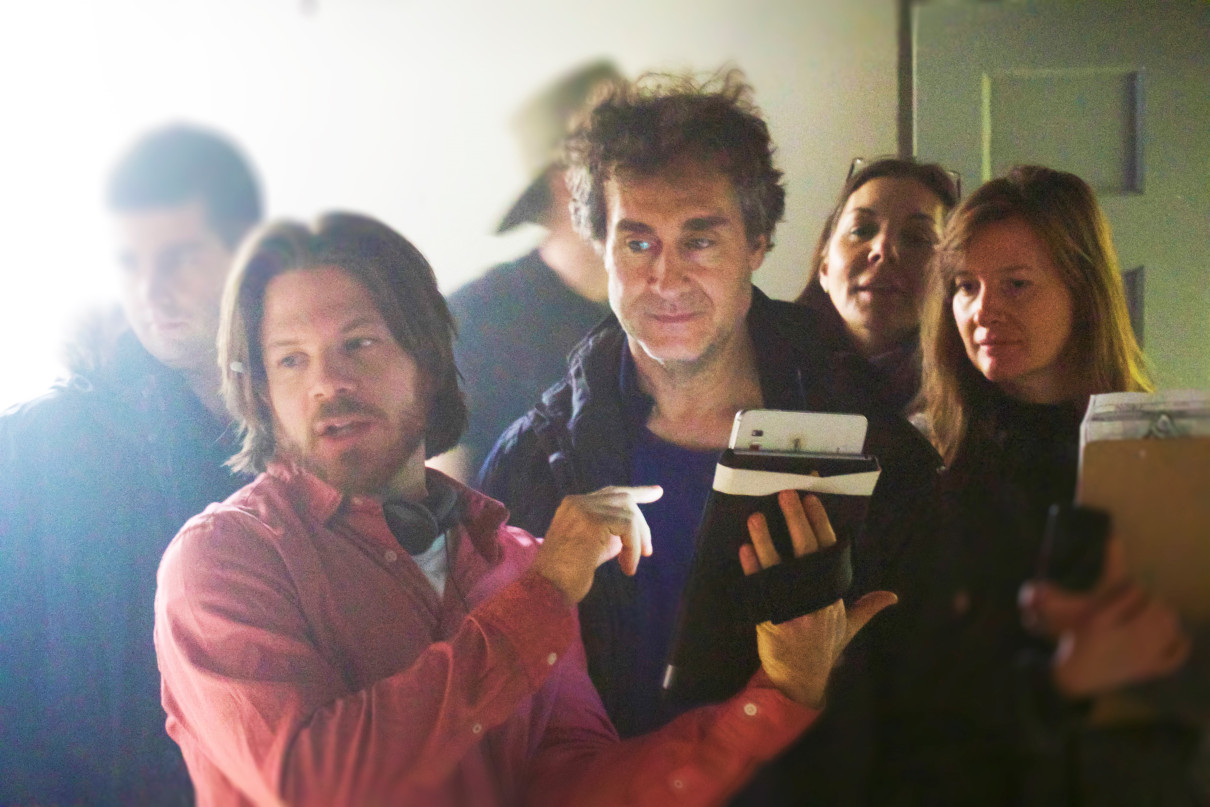 I selected Invisible as the story I wanted to tell in VR because it does have effects and it does have action. The reality is, it was shockingly hard to do the action. I was working with [director/stunt coordinator] Simon Crane, who’s done a number of films with me. He’s at the top of the field in action directing, and I’m excited for the next one we do because of how much we learned.
... Those of us who grew up when movies were made on film are used to shooting and waiting to see the results, and a modern filmmaker is used to seeing results immediately. ... In VR, there’s a lot of looking at the elements that are going to go into it, and then having to imagine what it’s going to be like when it’s all put together. Especially when you get to visual effects, sometimes you don’t to get to see it until a month later.
The audio is so complicated. ... VR was the same way, where mixing the sound is so complicated that when you’re doing the stitching of the picture, you have a lousy soundtrack that you’re working with, and then separately, over here, you have great sound, but you have no picture to go with it, and it’s not till it’s all done and it’s too late to make any changes that you finally see the sound and the picture married.
Has it been heartening to see the conversation shift over the course of this past year, with the success of your series and Alejandro González Iñárritu’s Carne y Arena, which lit up Cannes?
Filmmakers feed off each other, even if we don’t know each other.
See the full story here: http://deadline.com/2017/06/invisible-doug-liman-conde-nast-virtual-reality-emmys-interview-news-1202109737/