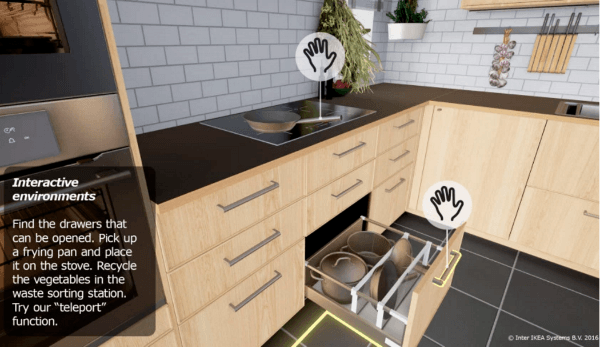
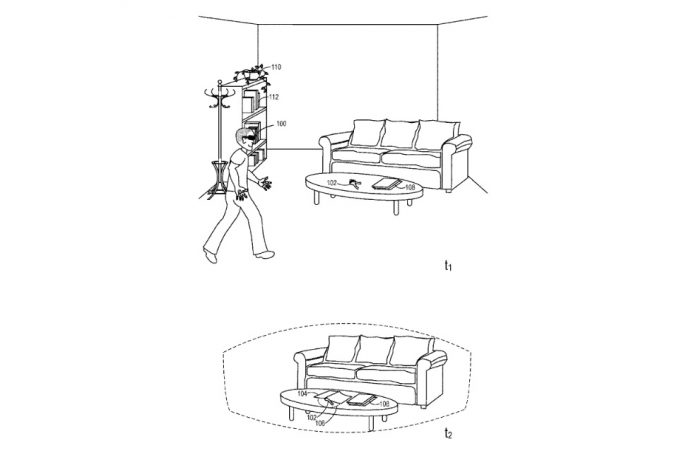
See the full story here: https://www.msn.com/en-in/autos/news/tata-motors-to-soon-set-up-virtual-reality-showrooms/ar-BBxDRas
30Dec/16Off
VR Market Research data: 63% In U.S. Say They Are Not Aware Of Virtual Reality
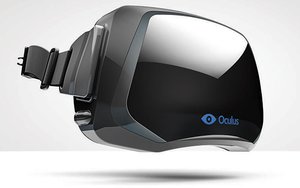 Here is the ranking of VR brand familiarity within U.S. households:
- Oculus Rift
- Samsung Gear VR
- PlayStation VR
- Google Cardboard
- HTC Vive
- Microsoft HoloLens (mixed reality)
Of those who have tried virtual reality, almost all said they enjoyed the experience, while the resulting actions appear to be relatively fragmented.
See the full story here: http://www.mediapost.com/publications/article/291992/63-in-us-say-they-are-not-aware-of-virtual-real.html
30Dec/16Off
Virtual Reality, WordPress, & Web Design: What Does the Future Hold?
 Virtual Reality and WordPress – What’s There?
Let’s start with the big news, it was just announced that all WordPress.com sites will now support virtual reality images and videos. That means the 409 million visitors to WordPress.com blogs every month now have a chance to be exposed to virtual reality images. I only hope this pushes virtual reality more into the mainstream.
And it’s not just limited to WordPress.com – some developers are already making it possible to add virtual reality to self-hosted WordPress via plugins. I did some digging around the plugin repository and I found two promising plugins:
VR Views
VR Views helps you embed 360-degree mono-and-stereoscopic images and videos into your WordPress site. It uses Google’s VR Views library, which makes it fully compatible with Google Cardboard.
To handle issues with responsive design, i.e. users who don’t have Google Cardboard, the plugin defaults to a “magic window” that will work on any desktop or mobile browser, regardless of hardware. The “magic window” allows readers to move their screen around to view the image in 360 degrees of glory but lacks true virtual reality.
To create your virtual reality content, you can use any device that is capable of capturing 360-degree videos or images. And once you have your content, implementing it is as easy as adding a shortcode to your WordPress site.
WP-VR-view
WP-VR-view is another plugin which lets you add Google Cardboard compatible virtual reality media to your WordPress site.
And just like VR Views, it degrades considerably for anyone who doesn’t have virtual reality hardware
Roadblocks to Widespread Implementation of VR and Web Design
Beyond the rather obvious roadblock of VR headset adoption, there are some other things standing in the way of virtual reality.
Responsive Design
How do you build a website that functions for both virtual reality headset wearers and regular users alike? That’s the major problem designers will need to cope with. Right now, most implementations involve a toggle to move between modes. But is that really the best virtual experience?
And how do you handle menus? Eye-tracking menus work great for wearable headsets but obviously not for desktop browsers.
I don’t have answers to these questions. But I do know that having to grab my headset and hit a toggle button isn’t a very immersive experience. And it probably would relegate virtual reality to “occasional treat” rather than “daily habit.” At least for me.
Bandwidth
We already know how massively important page speed is. Are visitors really going to be willing to wait for large 4K 360 degree videos to load? For special occasions, I think yes. But for everyday browsing? That’s a tougher question to answer.
See the full story here: https://www.elegantthemes.com/blog/editorial/virtual-reality-wordpress-web-design-what-does-the-future-hold?utm_source=dlvr.it&utm_medium=feed
29Dec/16Off
Microsoft Patent Describes Object Tracking for Future Augmented Reality Headsets
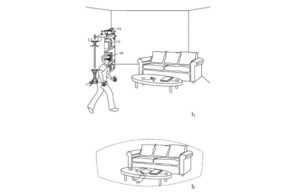 Object Tracking Concept
The technology would observe all objects in a user environment, using video data to process objects and identify them to the user. In the near future, augmented reality devices will be smaller and the object images would appear to the users via a see-through display headwear.
When the system detects and tracks an object, it could store characteristics and give the user an alert. Microsoft says the object data could be stored on the local device or uploaded to a remote service. The company also explains how the Object Tracking could be used by multiple users:
“Where multiple people utilize object-tracking devices as disclosed herein, each person may become aware of changes to objects made by other users via the sharing of object tracking information. In this manner, a user may be able to discover a most recent location of lost keys, may be provided with a reminder to buy more milk while browsing the dairy section at a grocery store, and/or may track and recall other object state information in any suitable manner.”
29Dec/16Off
Jon Favreau Wants to Use Virtual Reality to Tell Stories Differently

HOLLYWOOD, CALIFORNIA - APRIL 04: CEO, The Walt Disney Company, Bob Iger (L) and director Jon Favreau attend The World Premiere of Disney's "THE JUNGLE BOOK" at the El Capitan Theatre on April 4, 2016 in Hollywood, California. (Photo by Alberto E. Rodriguez/Getty Images for Disney)
Let's talk about Gnomes and Goblins. People already have access to a demo of the game. As you dig deeper into VR, is that feedback impacting how you’re thinking about the technology?
We didn’t want the experience to feel like a game. We wanted everything to be intuitive. We didn’t want to have text bubbles instructing people what to do. We wanted somebody who wasn’t a gamer to be able to just throw on the HMD [head-mounted display] and lift the hand controllers and, once they learn how to interact with the world, freely explore. We felt that the naturalism of that experience would feel more like a simulation than a game, and that people would be accepting of it even though it didn’t feel like other VR games or other games. Other VR games tend to have their roots in 2-D gaming and console gaming. We kind of took a leap of faith. The reaction to it has been so strong that we feel that we can continue to explore that area. We didn’t have to back off of our initial goal and vision.
See the full story here: http://fortune.com/2016/12/28/jon-favreau-virtual-reality/
29Dec/16Off
Chelsea Star John Terry Launches World’s First Virtual Reality Football Academy
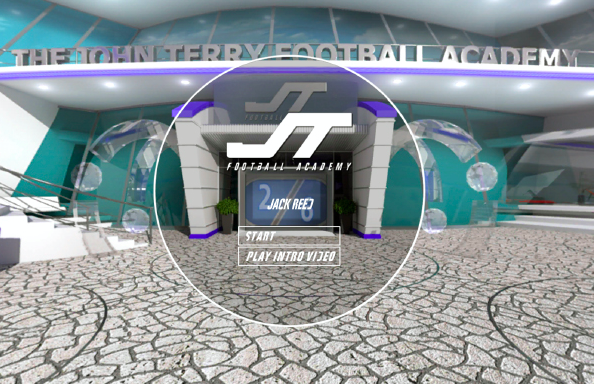 Last week on Instagram, the 36-year-old Terry officially launched the first-of-its-kind VR academy, which will provide younger soccer players tutorials on training and nutrition along with exclusive updates and a further look into his life off the pitch. For downloading the app at £5.99 ($7.34), fans will receive new videos every six weeks, words of motivation from Terry and additional playing tips.
See the full story here: http://www.sporttechie.com/2016/12/29/sports/soccer/chelsea-star-john-terry-launches-worlds-first-virtual-reality-football-academy/
29Dec/16Off
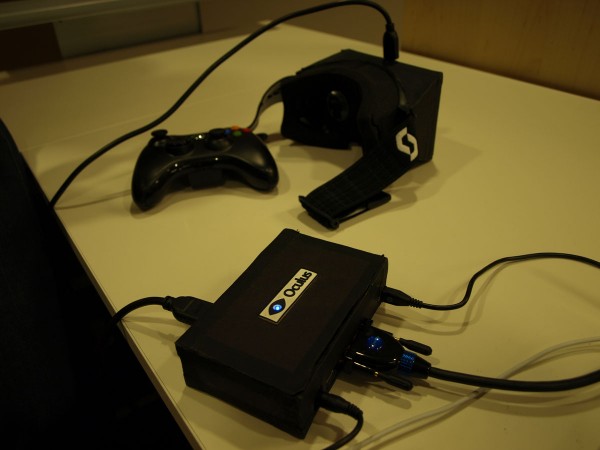
History of VR at CES
 See the full story here: http://www.roadtovr.com/history-of-vr-at-ces-2017-2016-2014-2013-vr-next-phase-begins/
29Dec/16Off
Tata Motors to soon set-up virtual reality showrooms

29Dec/16Off
9 trends you need to watch at CES 2017, from ‘AI’ assistants to ‘AR’ devices
 You’ll actually want a digital assistant
Big brands will get innovative
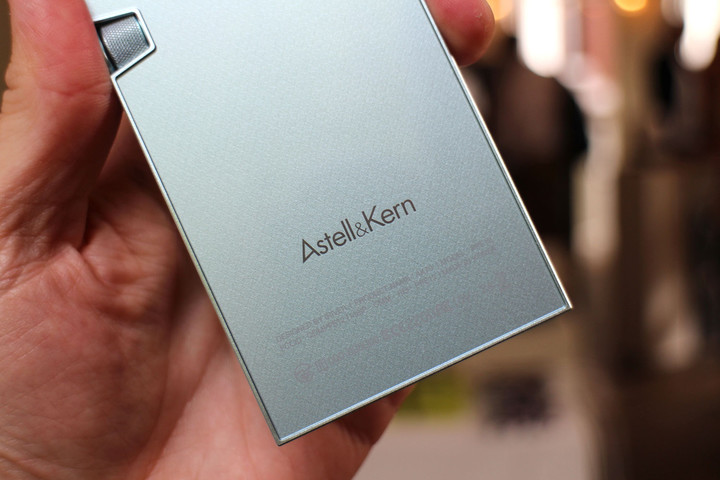
HD audio will make (another) comeback
AR/VR will get real
I’m interested to see French company Voxel’s offering: the company claims to offer VR without a headset. Sure, it’s in a VR booth, but still. And on the cutting edge of cutting edge, Insta360 will show off its new camera, which takes 8K 360-degree images. Expect to hear dozens of enormous content providers announcing their push into AR as well.
A small subset of this is augmented listening. A half dozen or more companies are building devices to improve your hearing, either by helping boost volume like a traditional hearing aid or by focusing it on what counts: the person seated across from you at dinner, the actors on stage, whatever. A new headphone from a company called Stages promises to let you listen from a specific direction; Audicus bills itself as the ‘Warby Parker of hearing aids,’ and there’s more where that came from.
Everybody will fight Tesla
There will be 4,000 4K announcements
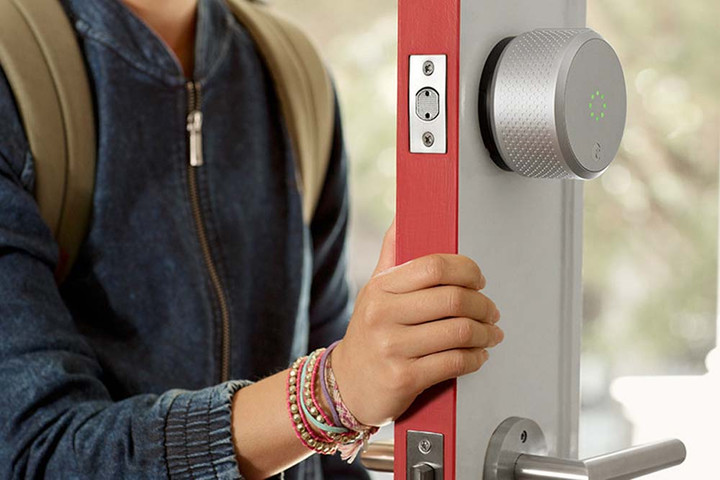
You’ll fear for your safety
We’ll get 5G phones
Digital Trends will be everywhere
See the full story here: http://www.digitaltrends.com/features/9-trends-to-watch-at-ces-2017/