VR Together is an organisation to encourage VR for the better.

We promote ideas, projects and technologies which have the impact to improve human lives. Our aim is to bring together and support a vibrant community of people with the desire to research and develop work that affects many areas of healthcare, science, entertainment, education and the wider community.
19Dec/16Off
Virtual assistants expected to top virtual reality in holiday sales
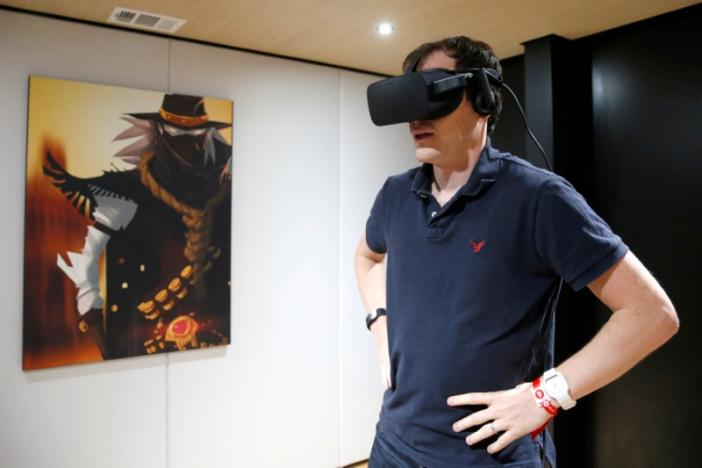
A man plays a video game with the Oculus Rift VR headset at the E3 Electronic Expo in Los Angeles, California, U.S. on June 14, 2016. REUTERS/Lucy Nicholson/File Photo
VIRTUAL REALITY
After dubbing virtual reality as the "next mega tech theme" in a May 2015 industry report, brokerage Piper Jaffray will cut its 2016 estimate for sales of VR headsets by 65 percent to 2.2 million units in an as yet unpublished report.
Sales of high-end VR headsets including Facebook Inc's (FB.O) $599 Oculus Rift and Sony Corp's (6758.T) $399 PlayStation VR headset altogether will be about 300,000, reflecting supply constraints at Sony and the technological reality of Oculus and HTC Corp's (2498.TW) $799 Vive: only about 6 million to 7 million computers globally can run the software, said Paul Lee of Deloitte UK.
VIRTUAL ASSISTANTS
Two years after Amazon.com Inc (AMZN.O) introduced the Echo, a $179.99 hands free speaker with AI-powered virtual assistant Alexa, the virtual home assistant category is poised to beat out virtual reality and possibly a few other high tech competitors, according to the Consumer Technology Association.
Oppenheimer analyst Andrew Uerkwitz estimated nearly 10 million to 12 million Amazon Echo and Google Home virtual assistants could sell during the holidays.
"Personal assistants are going to blow VR out of the water," he said.
Google launched its $129 Home assistant in time for the holidays, but the $39.99 price of the Echo Dot-a miniaturized version of the original- and a list of features two years in the making give the Echo the edge this year, said Tractica analyst Mark Beccue.
19Dec/16Off
“Choose your target”: Virtual reality firm slammed for dating simulator which teaches men how to ‘TOUCH’ strangers
As well as training, men will also have chance to put their new skills to the test in eight practical  interactive sessions with Coach Magic Leone, a man with more than 10 year's experience in dating and relationship skills
Magic Leone said: "The course will give you the skillset to be able to talk to any woman, put her under your spell and take her on an instant date."
See the full story here: http://www.mirror.co.uk/news/world-news/choose-your-target-virtual-reality-9484770
19Dec/16Off
New Zealand: Virtual Reality Studio bringing arcades into the future
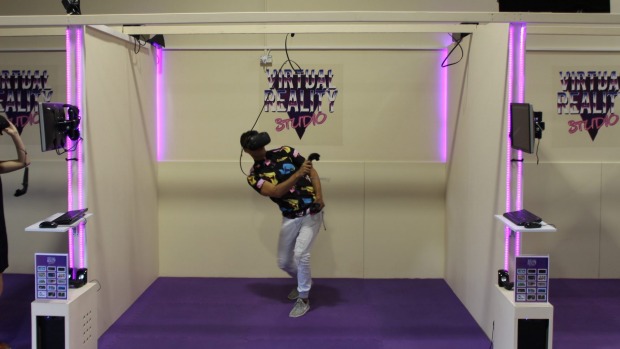 Leef said the studio's VR headsets were the best in immersive technology and did not result in motion sickness.
"Our setup allows for the head and ears to work together properly."
The experience is suitable to people aged five years and over, White said.
And if the future isn't for you, they've provided a 'retro room' with games from the 1980s and 1990s.
The studio is open to the public and can be booked out for private parties.
The plan was to also link with virtual and augmented reality experts and grow the field, White said.
"No one knows which direction we're going so we're all just jumping in," White said.
"We've been setting the trend so now it's about keeping ahead of the game," Leef said.
Virtual Reality Studio want to open studios across New Zealand, making them as common as arcades in the 1980s.
See the full story here: http://www.stuff.co.nz/technology/games/87660749/virtual-reality-studio-bringing-arcades-into-the-future
19Dec/16Off
ODG partners with China Mobile’s Migu to take augmented reality to Chinese consumers
 Osterhout Design Group is going to China. The maker of augmented reality glasses has partnered with China Mobile’s Migu Video subsidiary to deploy ODG’s smartglasses in China.
ODG makes AR smartglasses that can overlay computer-generated imagery on top of the real world, helping you see the world around you in new ways.
“This partnership marks the coming together of ODG’s industry-leading AR platform, MIGU’s multimedia and on-demand content services, and China Mobile’s large, leading wireless distribution network,” said Bin Wang, president and CEO of Migu Video, in a statement.
ODG will be showcasing its growing portfolio of smartglasses at CES 2017, the big tech trade show in Las Vegas in January. Osterhout founded ODG in 1999, and the company raised a $58 million round of funding in December. Investors include 21st Century Fox, Shenzhen O-film Tech Co., Ltd., and Vanfund Urban Investment & Development.
See the full story here: http://venturebeat.com/2016/12/18/odg-partners-with-china-mobiles-migu-to-take-augmented-reality-to-chinese-consumers/
17Dec/16Off
Second Chances: How Virtual Reality Could Be used To Rehabilitate Convicted Criminals
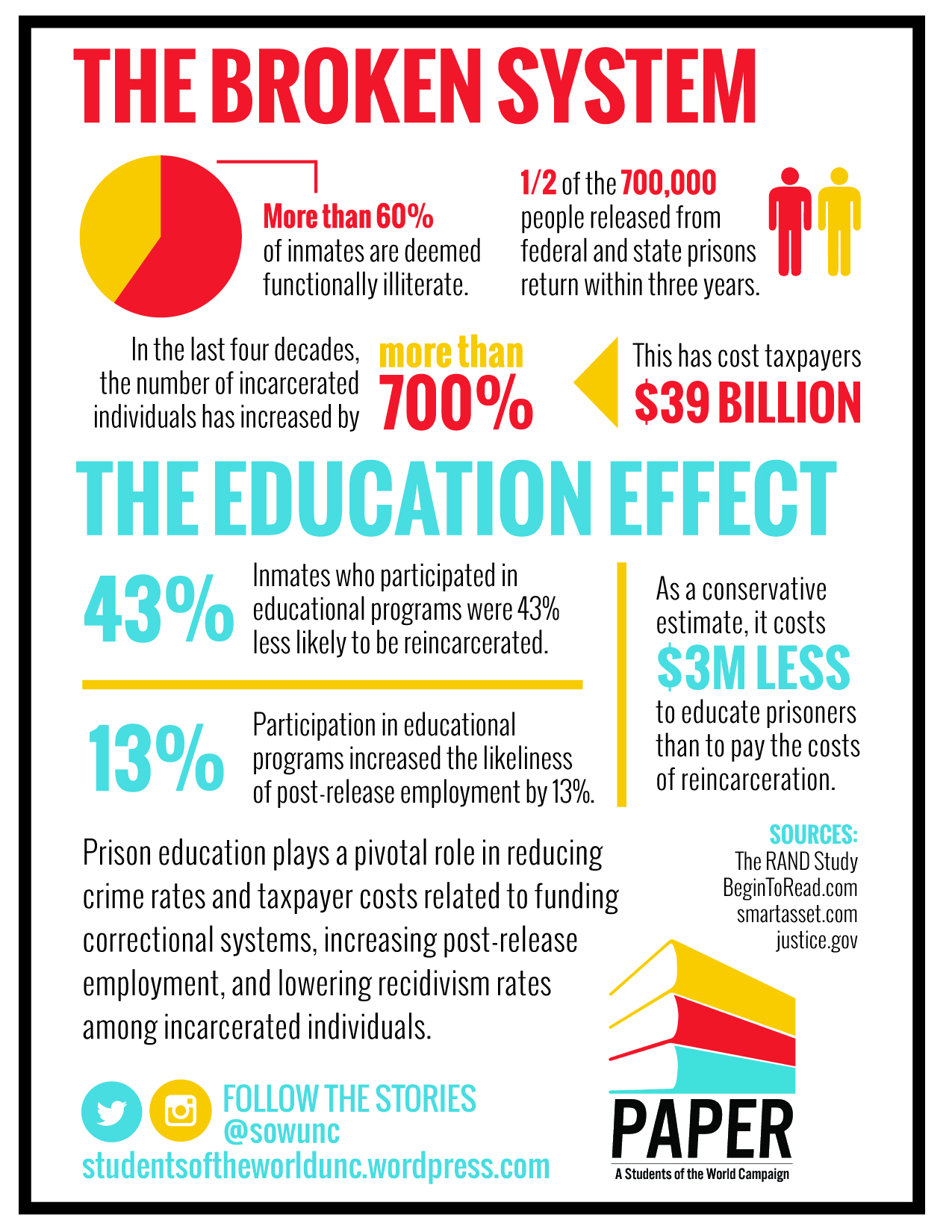 “The objective of Virtual Rehab is to educate rather than reprimand,” says Dr. Wahidy. “Leveraging Virtual Rehab, inmates will better learn the correct actions that they should take when confronted with the same scenarios that got them in trouble (since Virtual Rehab will allow them to experience such real-life scenarios). These actions taken as part of this virtual reality will even help in determining whether the inmate is ready for release or not. It is important that inmates are also prepared to face reality upon their release, and more importantly, it is in our best interest, as a community, that we train them professionally (if needed), so that they can become a productive part of our community.”
Dr. Wahidy is joined by Amal Azzeh as Chief Financial Officer, John Lester as Chief Technology Officer, and Courtney Couch as the Director of Marketing and Communications. While the program is not being used on any actual inmates yet, they did have their soft launch last month and are planning to officially launch in June of 2017 for U.S. locations. The team is said to have spoken with government officials and private prison operators about the prospect of being used in actual rehabilitation programs.
You can find out more information on the official Virtual Rehab website.
See the full story here: http://uploadvr.com/virtual-rehab-vr/
17Dec/16Off
It sure looks like Nintendo’s next video game console will support virtual reality
The company's next console, the Nintendo Switch (above), is set to arrive in March 2017. It's a home console/portable console hybrid — the idea is you can play the same games at home as you do on, say, the bus to work. It's rumored to be nearly as powerful as the PlayStation 4 and Xbox One.
The gimmick of the Switch is its detachable screen. The screen itself is the console, processing and all — it's basically a tablet with a bunch of peripherals.
You attach the screen to two "Joy-Con" controllers and it becomes a portable console. Or you slide out the kickstand and use the controllers as gamepads, one in each hand. Or you slide the screen into a dock at home and it becomes a home console.
Or, apparently, you slide the screen into a VR headset and it becomes a full-on virtual reality head-mounted display.
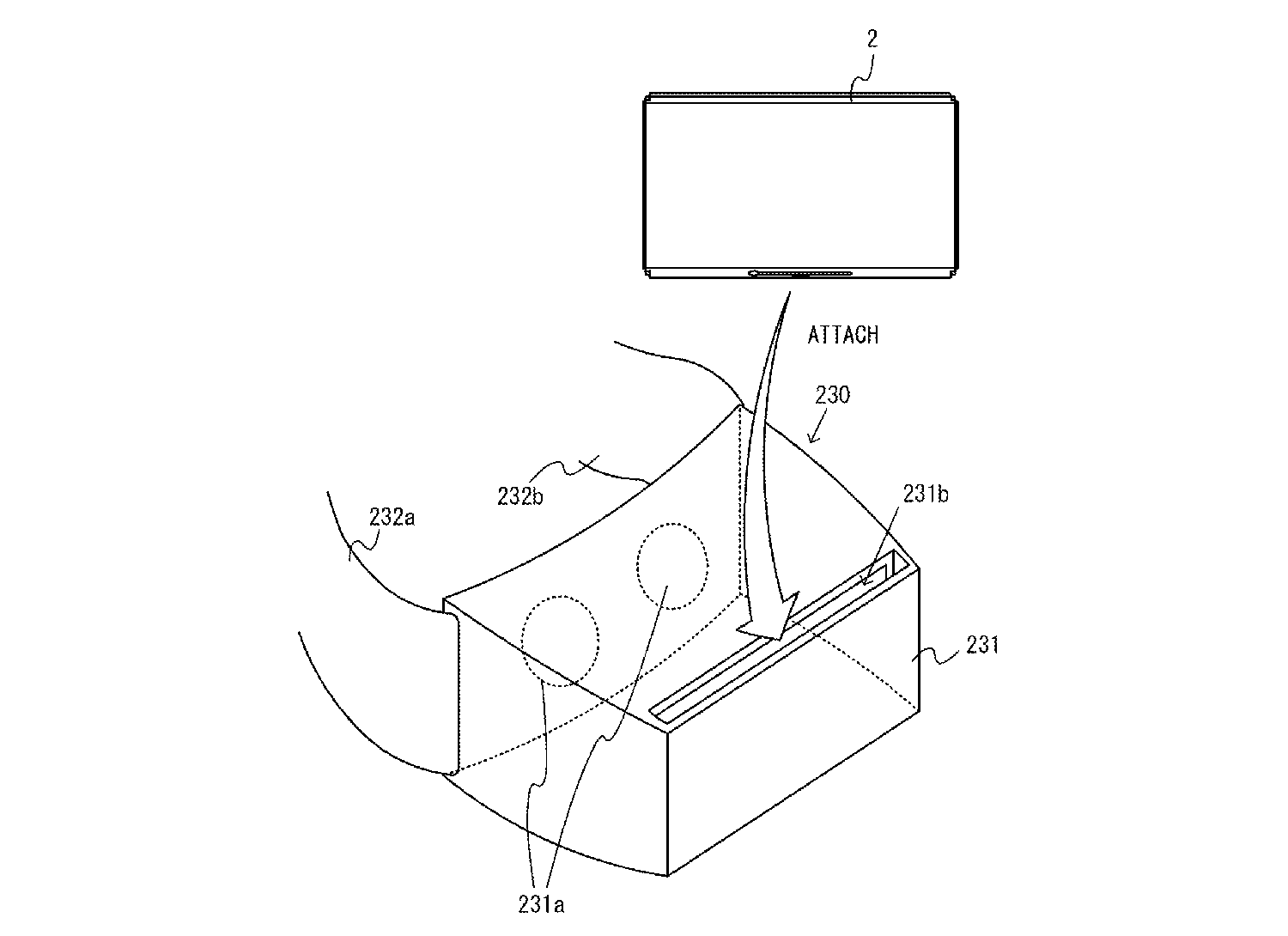
That image comes from a recently published patent, which Nintendo filed back in June 2016.
See the full story here: http://www.businessinsider.com/nintendo-switch-patent-vr-virtual-reality-headset-2016-12