Virtual Reality in Maine: Part 1
 “Virtual reality is moving at an incredibly rapid rate,” said Richard Corey, Director of the University of Maine’s Virtual Environment and Multimodal Interaction Laboratory, the only research facility of its kind in Maine.
Students and professors there are pushing the boundaries of VR.
It opened in 2008.
Richard Corey leads a team of 18 students at the VEMI Lab.
“It is a great time for them to be graduating with this much knowledge of virtual and augmented reality because they’re well ahead of people that have just gotten into it,” said Corey.
See the full story here: http://wabi.tv/2016/05/23/virtual-reality-in-maine-part-1/
Paul McCartney invites virtual reality users into his studio
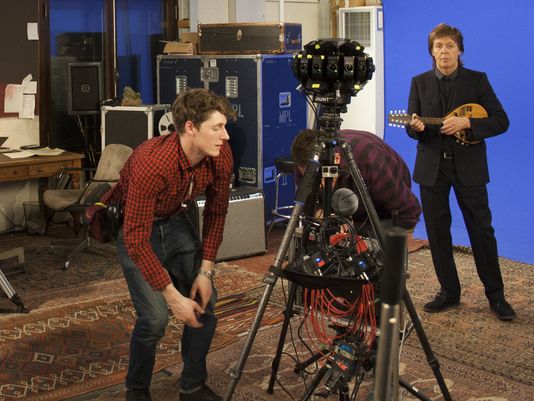 In 1967, Paul McCartney used studio technology to usher in a new musical era with the revolutionary concept album Sgt. Pepper's Lonely Hearts Club Band.
Now Beatle Paul is pushing the high-tech envelope again by peddling his latest album with the help of virtual reality.
McCartney is the subject of six VR mini-documentaries produced by Jaunt Studios to promote the musician's new album, a 67-song retrospective called PURE McCartney, out June 10. The interviews were conducted at McCartney's British home studio — location undisclosed — and represent a rare peek into the man's private domain.
See the full story here: http://www.usatoday.com/story/tech/news/2016/05/24/paul-mccartney-invites-virtual-reality-users-into-his-studio/84809140/
Facebook just bought VR audio company Two Big Ears and is making their tech free to developers
 [Philip Lelyveld comment: the audio in the video at the link is amazing: even playing from my laptop speakers!]
Facebook is continuing to devote resources to fine-tuning how 3D audio impacts viewer perceptions in virtual reality.
Today, the social media giant and Oculus parent company announced that they have purchased immersive audio company Two Big Ears and will be making their technology free as a part of their new Facebook 360 Spatial Workshop. Terms of the deal weren’t disclosed. The Edinburgh-based company, which has been around since 2013, specializes in spatial 3D audio in cinematic and gaming experiences.
Our mission is to make VR audio succeed across all devices and platforms and continue to help creators make the best experiences for billions of people across the world.
The company’s technology focuses largely on how sound plays in 3D spaces and how it interacts with surfaces that surround the viewer.
One of the questions on a lot of developers’ minds is likely whether this tool is only going to be compatible with the Oculus Rift and Gear VR. Two Big Ears realized this was a cause for concern and addressed it directly, saying they would “continue to be platform and device agnostic.”
See the full story here: http://techcrunch.com/2016/05/23/facebook-just-bought-vr-audio-company-two-big-ears-and-is-making-their-tech-free-to-developers/
YouTube Builds Daydream VR App, Immersive Content Catalog
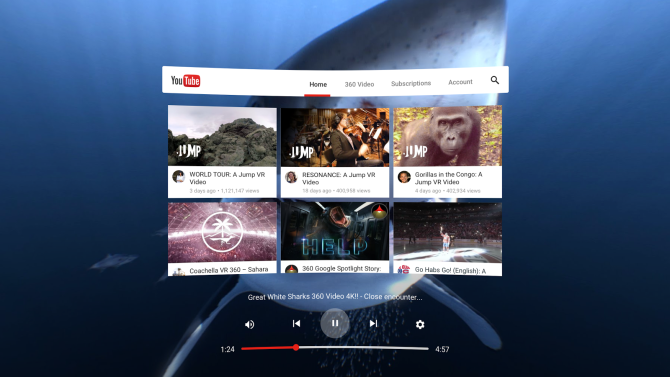 Shortly after Google unveiled its Daydream VR system during its I/O conference, YouTube revealed its plans for a virtual reality app, to be available on Daydream mobile VR devices. YouTube has also been encouraging its content partners to produce 360-degree content by providing VR cameras, in an effort to build up content for its VR app, which will function like YouTube on mobile or a smart TV. The app, which is being built from scratch, will be full-featured and enable access to subscriptions, favorites, search and more.
Variety reports YouTube VR product manager Kurt Wilms saying that he and his team expect consumers will also watch “a lot of regular 2D videos as well.” The app is being designed to be as easy as possible to navigate the entire YouTube catalog, and makes “extensive use of the Daydream controller” so users don’t have to “turn their heads or intensely gaze on virtual controls.”
The app will also incorporate voice search. YouTube plans to evolve beyond the Spotlight Stories on its platform, for more interactive VR video experiences that “go beyond a simple linear narrative.”
See the full story here: http://www.etcentric.org/youtube-builds-daydream-vr-app-immersive-content-catalog/
and the original story here: http://variety.com/2016/digital/news/youtube-vr-app-content-partnerships-ads-1201778834/
History of VR/AR in Hospitality, Why VR?, Best Western initiative
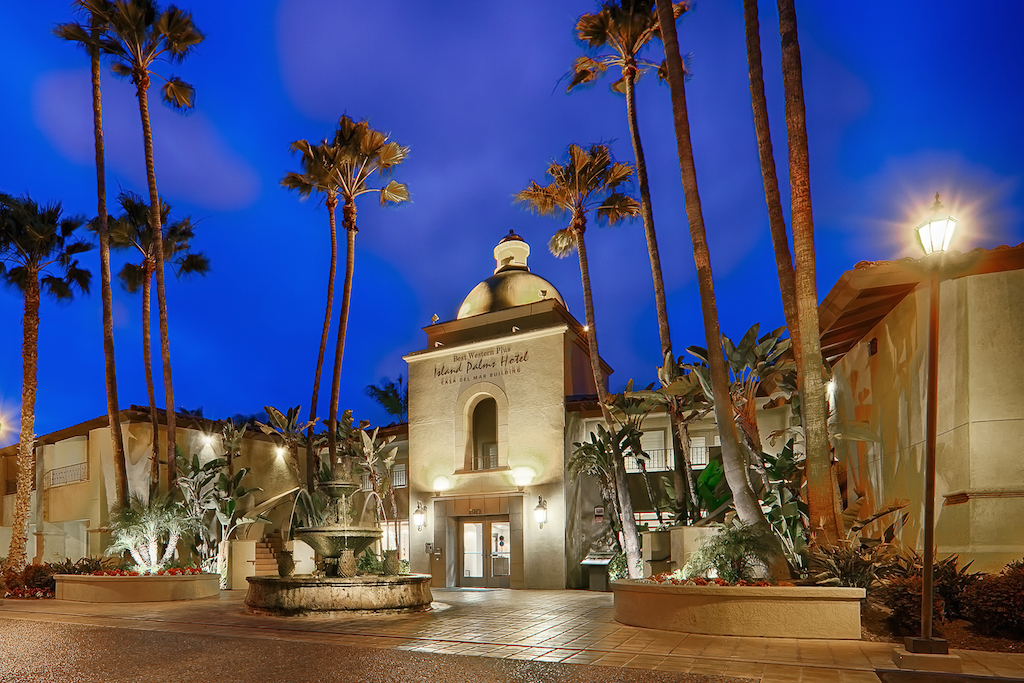 By summer, all 2,200 Best Western-branded hotels in North America will have a “Best Western Virtual Reality Experience” whereby travelers can see each property’s rooms, lobbies, and amenities virtually online before they even arrive at the hotel.
Phoenix-based Best Western has been working with Google Street View to develop this product for the past three years, gathering some 1.7 million photos of its North American properties.
A History of Hospitality in VR and Augmented Reality
Here’s a quick rundown of some of the notable VR and 360-degree video plays that other hospitality companies have made in recent years:
May 2015: Starwood was already testing out whether or not guests would respond to VR in its concept lab.
September 2015: Marriott piloted a program, called VRoom Service, at two of its locations in New York and London, where by guests could “travel” the world via VR by borrowing a Samsung Gear VR headset for 24 hours.
October 2015: Shangri-La Hotels announced it will be the first international hospitality brand to debut Samsung Gear VR headsets for its 17 global sales offices and 94 individual hotel sales teams. Whereas Best Western is using VR to sell its hotels direct to consumers, Shangri-La is using VR to sell its hotels to wholesalers, travel agents, meeting planners, and other customers.
April 2016: Similar to Shangri-La’s strategy, Carlson Rezidor Hotel Group debuted BluPrint, a VR-enhanced app that helps investors and developers have a better understanding of the design process involved in the group’s Radisson Blu hotel brand.
April 2016: Hilton launches a new 360-degree video ad to push more direct bookings.
April 2016: For its Sonoma Select pilot program, Airbnb partnered with Matterport to produce enhanced 360-degree video listings for hosts participating in the pilot program. With this program, guests can experience more of a hotel-like package when they stay with highly rated, selected hosts in Sonoma, California.
May 2016: Holiday Inn Express released a comedic VR video starring actor Rob Riggle, the brand’s creative director, to promote the hotel company’s “power shower” experience.
May 2016: Vacation rental management company Vacasa also partnered with Matterport to have unique 360-degree, interactive video experiences on all of its vacation rental listings.
Why Are So Many Hotels Turning to VR?
To inform and sell: This is the strategy being adopted by brands like Best Western, Shangri-La, Carlson Rezidor, and Vacasa. For these brands, VR and/or 360-degree videos are being used as tools to inform their customers about their products.
To entertain and market: Brands like Marriott, Starwood, and Holiday Inn Express have taken a different route, seeing how VR can be used to entertain guests, and transport them, virtually, to another space all together.
Why the Virtual-Reality Hype is About to Come Crashing Down
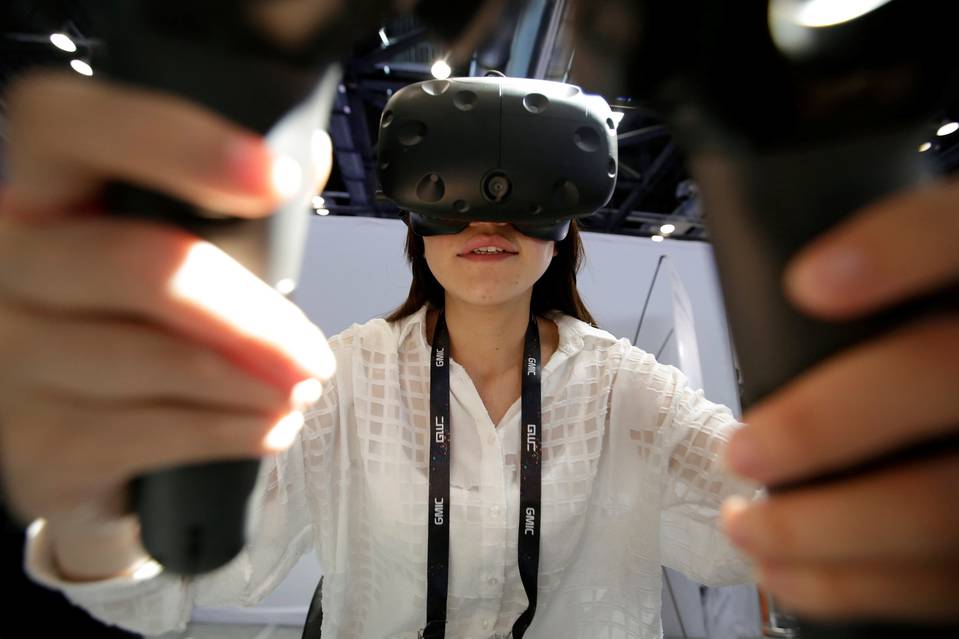 “In the early days of any new hardware, it’s incumbent on the hardware manufacturer to fund the creative community,” says Anthony Batt, co-founder of VR production studio WEVR. HTC, Kaleidoscope VR and WEVR have, for example, financed a VR “music video.”
Unfortunately, much nongame VR content, including so-called “360 video,” doesn’t support that illusion. Rather than feeling that you are in a place, experiencing an event, current 360 video tends to make you feel like your head is “in a fishbowl of video,” as Mr. Pinnell puts it. Such experiences make me fear that 360 video will be the next 3-D TV, something nobody asked for and few will use.
See the full story here: http://www.wsj.com/articles/why-the-virtual-reality-hype-is-about-to-come-crashing-down-1463976001