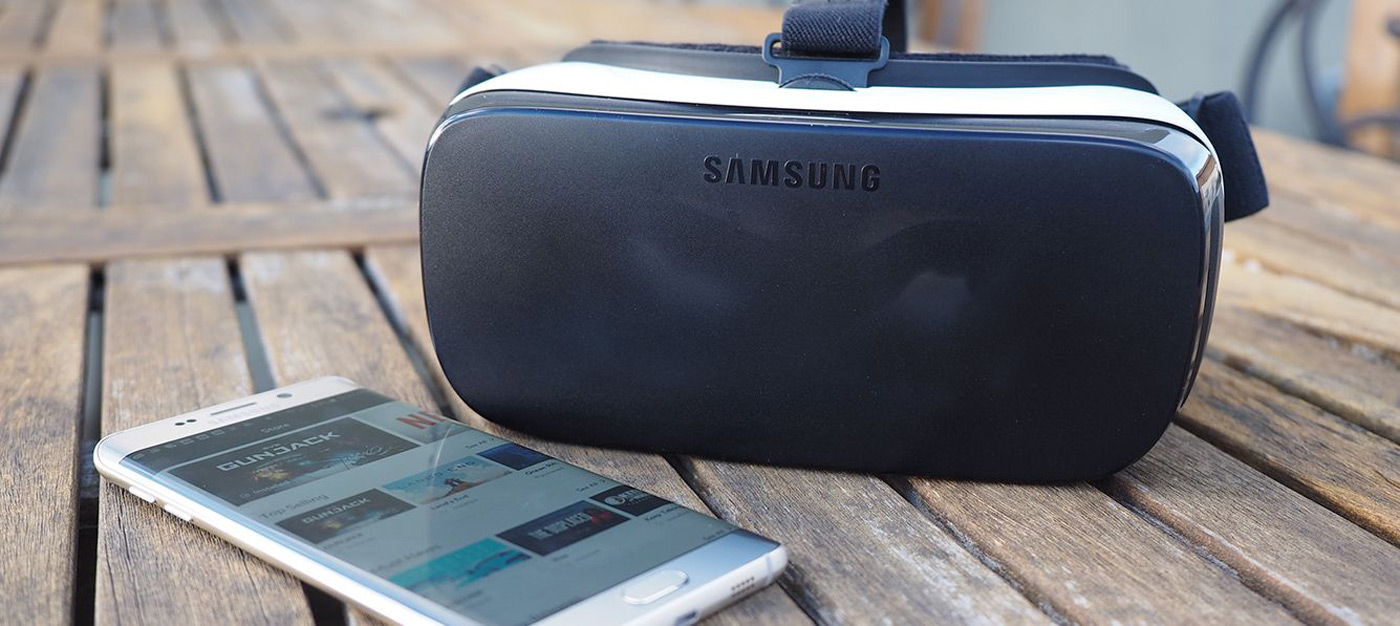
 The library of things you can play and watch on a Gear VR headset is growing, but Samsung doesn't think it's growing quickly enough -- it wants to help make some of that content, too. The company has revealed to Sundance Film Festival guests that it's opening a New York City studio that will create virtual reality experiences. Samsung isn't saying much about the content in question, but the studio will be located inside an existing Samsung office rather than a wholly separate space. Don't expect a sprawling movie set, then.
25Jan/16Off
NO VR HEADSETS NEEDED BY 2030 SUGGESTS IEEE SURVEY FROM CES 2016
In a recent survey of 1,537 participants taken at the Consumer Electronic Show (CES) 2016 in Las Vegas, the IEEE found many expected HMDs won’t be required by 2030.
In the survey more than half (52%) of respondents believed immersive headsets like the Oculus Rift or HTC Vive will no longer be needed in well under two decades, by 2030. On top of the 52 percent, another 21 percent of respondents predicted this to be a reality by 2035, 15 percent by 2040 and 5 percent by 2045.
 When the participants were asked which industry would most likely benefit from widespread adoption of VR and augmented reality (AR) technology, 36 percent of them indicated that the education sector would probably see the biggest impact and technology would fit well into areas including virtual classrooms and AR/VR-enabled textbooks. Other notable industries included engineering (24 percent), healthcare (16 percent) and communication (nine percent).
IEEE member Todd Richmond, director of advanced prototype development at the Institute for Creative Technologies at the University of Southern California said in a statement: “Immersive capabilities such as AR, VR and mixed reality provide a whole new medium for communication and experience.
See the full story here: http://vrfocus.com/archives/28193/no-vr-headsets-needed-by-2030-suggests-ieee-survey-from-ces-2016/
25Jan/16Off
Virtual reality is about to completely transform psychological therapy
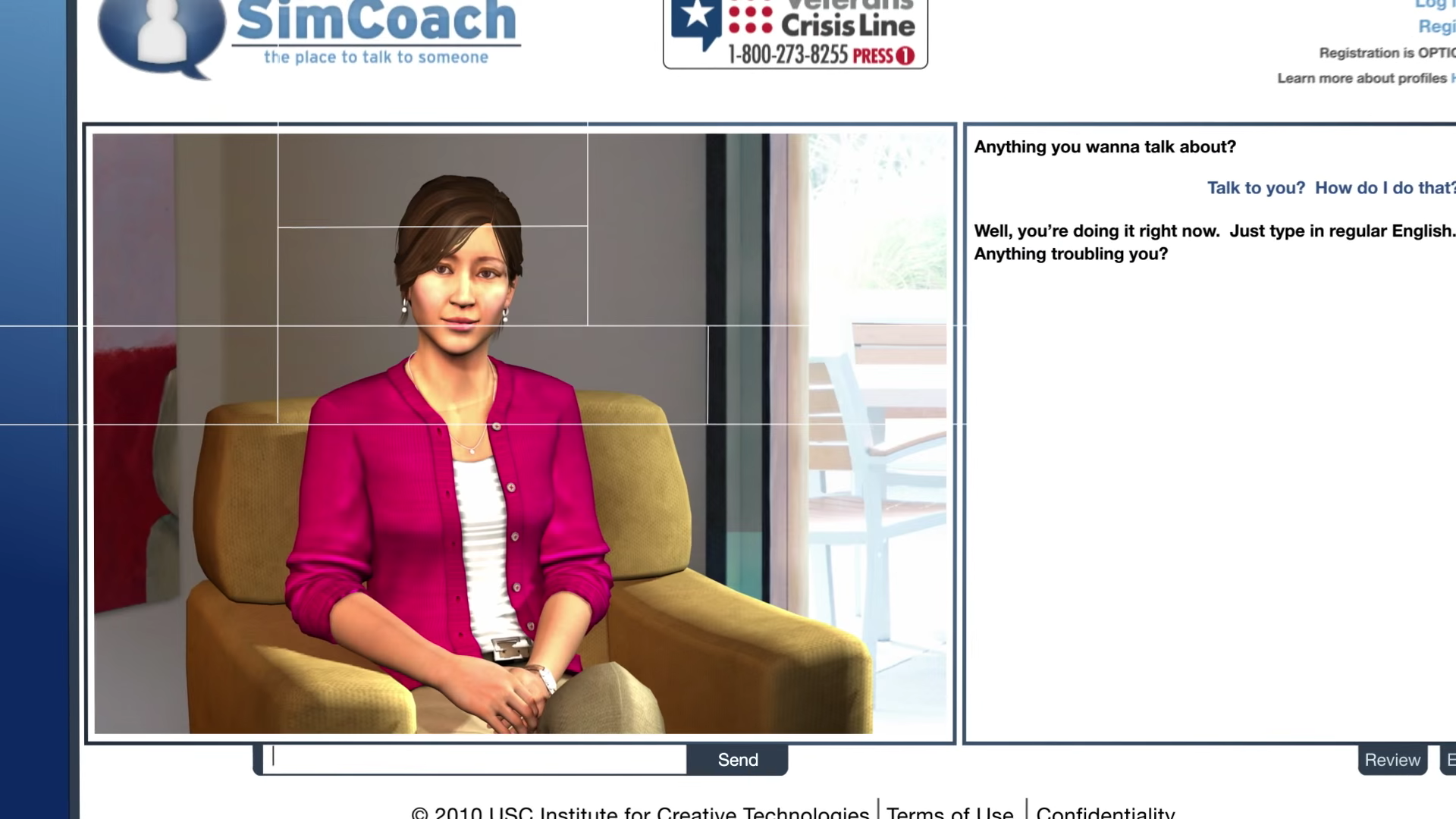 Even though virtual reality itself is still a hard-to-grasp idea for most people who have not experienced it, the clinical use for VR as therapy has been generating a "rich scientific literature" for the past 20 years, according to Dr. Albert "Skip" Rizzo of the University of Southern California's Institute for Creative Technologies (where Oculus Rift creator Palmer Luckey previously worked on VR).
The development of commercial VR means that headsets will be widely available, which should open up access to these already-developed therapies for new patients all over.
Still, Rizzo says that doesn't mean that people should start thinking they can just treat themselves for any sort of psychiatric condition.
"I think there are a lot of areas where with some clinician support we can amplify the effects of therapy by having self-administered VR," he tells TI, but "some forms of treatment really do require the guidance and diagnostic skill of a clinician."
See the full story here: http://www.techinsider.io/how-virtual-reality-is-used-for-ptsd-and-anxiety-therapy-2016-1?curator=MediaREDEF
24Jan/16Off
When Virtual Reality Meets Education
 While statistics on VR use in K-12 schools and colleges have yet to be gathered, the steady growth of the market is reflected in the surge of companies (including zSpace, Alchemy VR and Immersive VR Education) solely dedicated to providing schools with packaged educational curriculum and content, teacher training and technological tools to support VR-based instruction in the classroom. Myriad articles, studies and conference presentations attest to the great success of 3D immersion and VR technology in hundreds of classrooms in educationally progressive schools and learning labs in the U.S. and Europe.
Much of this early foray into VR-based learning has centered on the hard sciences — biology, anatomy, geology and astronomy — as the curricular focus and learning opportunities are notably enriched through interaction with dimensional objects, animals and environments. The World of Comenius project, a biology lesson at a school in the Czech Republic that employed a Leap Motion controller and specially adapted Oculus Rift DK2 headsets, stands as an exemplary model of innovative scientific learning.
In other areas of education, many classes have used VR tools to collaboratively construct architectural models, recreations of historic or natural sites and other spatial renderings. Instructors also have used VR technology to engage students in topics related to literature, history and economics by offering a deeply immersive sense of place and time, whether historic or evolving.
In what may turn out to be an immersive education game changer, Google launched its Pioneer Expeditions in September 2015. Under this program, thousands of schools around the world are getting — for one day — a kit containing everything a teacher needs to take their class on a virtual trip: Asus smartphones, a tablet for the teacher to direct the tour, a router that allows Expeditions to run without an Internet connection, a library of 100+ virtual trips (from the Great Wall of China to Mars) and Google Cardboard viewers or Mattel ViewMasters that turn smartphones into VR headsets.
And with VR platforms like AltspaceVR and LectureVR (an initiative of Immersive VR Education), entirely new possibilities are available for teachers of all kinds, as the technology of making avatars and supporting “multi-player” sessions allows for an exponentially scaled level of socialization and outreach.
22Jan/16Off
Apple hires VR expert
 Apple is flexing its hiring muscle in the field of virtual reality. According to a new report from The Financial Times, the Cupertino giant has hired VR expert Doug Bowman.
Before joining Apple, Bowman was a computer science professor at Virginia Tech, where he also served as the director for the University's Center for Human-Computer Interaction.
Of course, it isn't surprising to see Apple hiring VR experts. If this is going to be one of the next major frontiers in computing, it would be ridiculous to expect the tech giant to let Microsoft, Facebook, Google and Sony take center stage.
See the full story here: http://mashable.com/2016/01/22/apple-hires-vr-expert/#kkOpmMfM35q5
19Jan/16Off
A Microsoft Research study uses augmented reality to project a life-size person into a room with you, perching them in an empty seat.
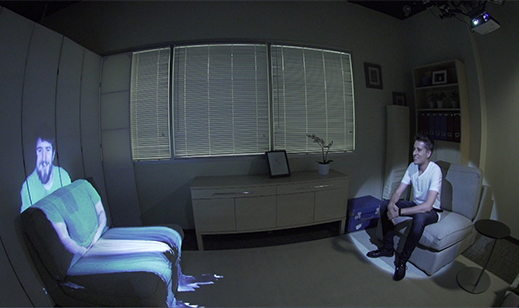 In order to get a sense for how well people could communicate this way, seven pairs of study participants built three-dimensional shapes with blocks via augmented reality. One person sat in front of a table in one room with the actual blocks, while their partner sat in another, giving instructions for what kind of shape to construct. Each person was projected into the other’s room so they could work together.
Researchers found that while putting this kind of puzzle together took only about four minutes when people were face to face, it took about seven minutes using the augmented-reality system and nine via Skype video chat.
See the full story here: http://www.technologyreview.com/news/545466/can-augmented-reality-make-remote-communication-feel-more-intimate/
18Jan/16Off
Another UK theme park embraces virtual reality – this time, it’s a VR ghost train
 [Philip Lelyveld comment - a bit over the top!]
"...a head-spinning train journey of between 10-15 minutes, the like of which guests will never have taken before; providing a heady mixture of exhilarating live action sequences, 4D special effects, grand-scale illusions, next generation technology, and physical transit. No place for spectators, guests will play a major part in the action which will leave them questioning where perception ends and reality begins."
"this is a smart ride that also has 12 multiple knee-shaking journeys and two endings - so not only will no two 'rides' on board Derren Brown's Ghost Train be the same but every journey will provoke an intense response and reaction".
See the full story here: http://www.neowin.net/news/another-uk-theme-park-embraces-virtual-reality---this-time-its-a-vr-ghost-train
17Jan/16Off
IM360 Teams With Boxer David Haye To Produce First-Ever Live Virtual Reality Boxing Match
 David Haye is set to make boxing history after he announced that he will be heavily involved in the world’s first boxing broadcast that viewers will be able to see through virtual reality. It will be broadcast in fully immersive 360 degree video and will give fans views from the match as if they had a ringside seat.
Due to boxing’s violent nature, fans won’t be able to be in the ring and really see the true impact of every punch, but it will enable them to see unprecedented views of the pre-fight entrances as well as seeing the fighters from right outside the ring like they had one of the best seats in the arena.
To watch the fight, fans can download the app from the Google Play Store with the fight between David Haye and Mark di Mori scheduled at the O2 Arena in London tonight at 9.00pm GMT.
See the full story here: http://www.sporttechie.com/2016/01/16/im360-teams-with-boxer-david-haye-to-produce-first-ever-live-virtual-reality-boxing-match/
17Jan/16Off
Augmented reality has arrived in Palm Springs and Fort Lauderdale. Why you should be next
 At Civic Resource Group, we are already seeding this new world with our CivicAR mobile augmented reality platform for Smart Cities targeting practical, business-specific use in government services, transportation, tourism, economic development, environment, utilities, healthcare and education.
Fort Lauderdale, Florida, and Palm Springs, California, are already providing great examples of what this new world can mean for tourism. Both cities are showcases of how the technology can greatly enhance the experience for visitors, encouraging more people to visit and helping them to find and support great local businesses. I am excited to see the impact on economic development.
See the full story here: http://smartcitiescouncil.com/article/augmented-reality-has-arrived-palm-springs-and-fort-lauderdale-why-you-should-be-next
17Jan/16Off
Microsoft leaks new HoloLens details
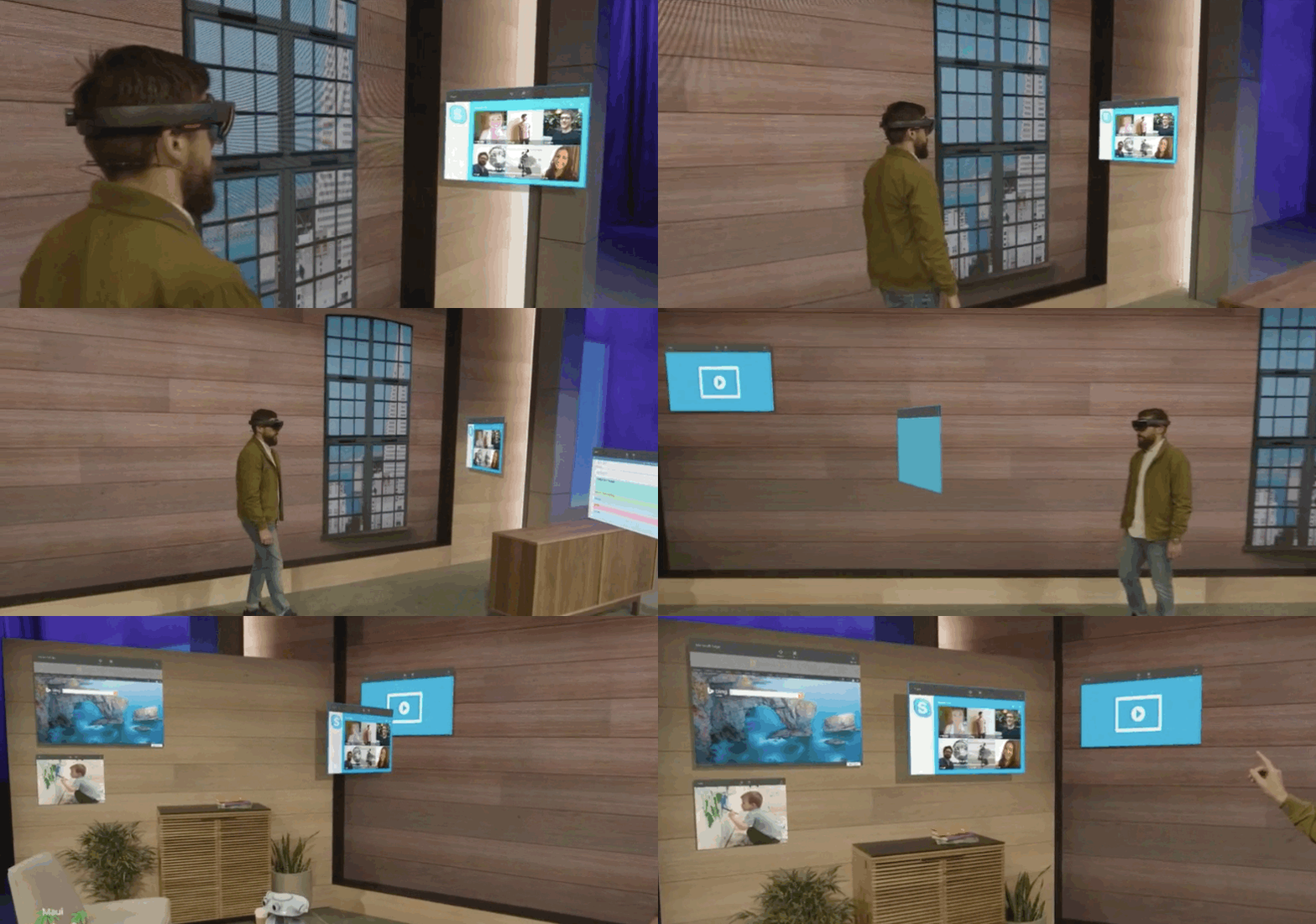 The device will offer roughly five to five and a half hours of battery life when working on Word documents or email, and about two and a half hours when using it for highly intensive computational work involving detailed renderings.
...He also addressed questions regarding the HoloLens' field of view (FOV), saying that the experience is like having a 15-inch monitor about "this far" from your face, at which point he holds his hands about a foot in front of his face.
Harris also confirms that the HoloLens doesn't get warm because it was "built to dissipate heat," and that the device has "no option for a wired connection."
See the full story here: http://mashable.com/2016/01/16/hololens-battery-life/#ppWk9CNC3aqE