Home Entertainment: Why 2013 Was the Year of Digital HD
 But the big lesson from 2013 is that the entire business is shifting – not just in bits and pieces, as in years past, but in a unified, holistic way.
A growing number of movies are getting this “early EST” release, and the digital product even got an official name in 2013: Digital HD.
Ron Sanders, president of Warner Bros. Worldwide Home Entertainment Distribution, said EST should be up 50% this year and surpass $1 billion on consumer spending. “Warner Bros. now offers early EST on virtually all of our theatrical new release titles,” he said.
Janice Marinelli, president of Disney Studio Global In-Home and Digital Distribution and Disney-ABC North America Content Distribution, said the results of this strategy are tangible. “For the right collectable movie title, we are seeing that early windows provide a definite boost,” she said.
And no one should discount the fact that the new generation of Blu-ray Disc players all have wireless Internet connections and allow consumers to connect their TVs to the web. They can be used not just to watch Blu-ray Discs, but to stream movies through Netflix, for example.
“There’s no question that effectively bridging physical and digital is key to fueling the long-term growth of our business,” Kornblau said. “Flexibility, utility and affordability of both physical and digital products bundled into one high-quality Blu-ray Combo Pack creates an unparalleled value proposition for the avid movie consumer and provides them the ultimate choice in how and when they want to watch their favorite films. Based on Universal’s successes and others across the industry, it is clear that digital and Blu-ray now are not only co-existing but growing in lockstep with evolving consumer behaviors.”
Read the full story here: http://www.hollywoodreporter.com/news/home-entertainment-why-2013-was-667454
TVs at CES 2014: Bye-bye 1080p plasma, hello 4K LED LCD
 Plasma may be on life support, and OLED a distant beacon of faint and fading hope, but hundreds of TVs will still be introduced at CES 2014. We'll be there to catalog the best and most interesting ones, no matter how curved or festooned with gimmickry, and let you know what (if anything) is really important about them.
One thing no traditional TV maker wants to talk about is China. Chinese TV brands, led by Seiki, TCL and Hisense, made serious inroads in the US market this year, in part by grabbing headlines with inexpensive 4K models. If one or more decided to try "pulling a Vizio"--create a more trusted brand in the U.S. while remaining ultra-aggressive prices--making waves at CES would be a good start.
Read the full story here: http://ces.cnet.com/8301-35303_1-57616106/tvs-at-ces-2014-bye-bye-1080p-plasma-hello-4k-led-lcd/
Data Mining Exposes Embarrassing Problems For Massive Open Online Courses
 [Philip Lelyveld comment: the take-away is that there is a clear demand for MOOCs, but their design needs improvement. Watch for MOOC 2.0 in the near future.]
Not only does student participation decline dramatically throughout the new generation of web-based courses but the involvement of teachers in online discussions makes it worse.
Only about half of the students who registered ever viewed a lecture and only 4 per cent completed a course.
...studied the behaviour in online discussion forums of over 100,000 students taking massive open online courses (or MOOCs).
Brinton and co say that posts fall into three categories. The first is small talk, student introductions and the like, that are of little use in completing the course. The second is about course logistics such as when to file homework. And the final category is course-specific questions which are the most useful for students.
...one potential avenue is to improve the learning experience by making the most valuable posts in discussions more easy to find.
For $3,000, Meta’s augmented reality glasses provide a look at the future
[Philip Lelyveld comment; this design could be a dead end. It gives a bigger screen, but the glasses limit your field of view. The percieved resolution is noticeably lower than Google Glass because the screen size is larger.]
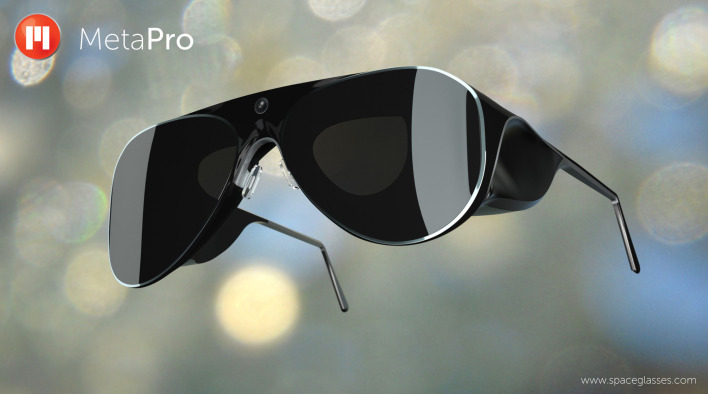 SUMMARY: With the MetaPro glasses, you can watch a movie, play an interactive tabletop game or interact with the real world in totally new ways.
The glasses were a prototype model of the MetaPro Glasses, which as of today are available for pre-order. They will ship to buyers in summer 2014 for $3,000. That’s twice the price of Google Glass, but the startup’s CEO, Meron Gribetz, insists the price is worth it due to the more able sensors and optics packed into the frames. The 6.3 ounce glasses will have two 40 degree fields of view, each of which displays 720p HD images, plus sensors like an infrared 3D scanner and accelerometer.
See the full story here: http://gigaom.com/2013/12/17/for-3000-metas-augmented-reality-glasses-provide-a-look-at-the-future/?curator=MediaREDEF
Dolby Proposing Disruptive New Imaging Format, But Can It Slow The 4K Train?
New consumer displays will be unveiled at CES that go beyond 4K resolution, offering a wider color gamut and higher luminance, the company says. Movies supporting the new format could also be on the way.
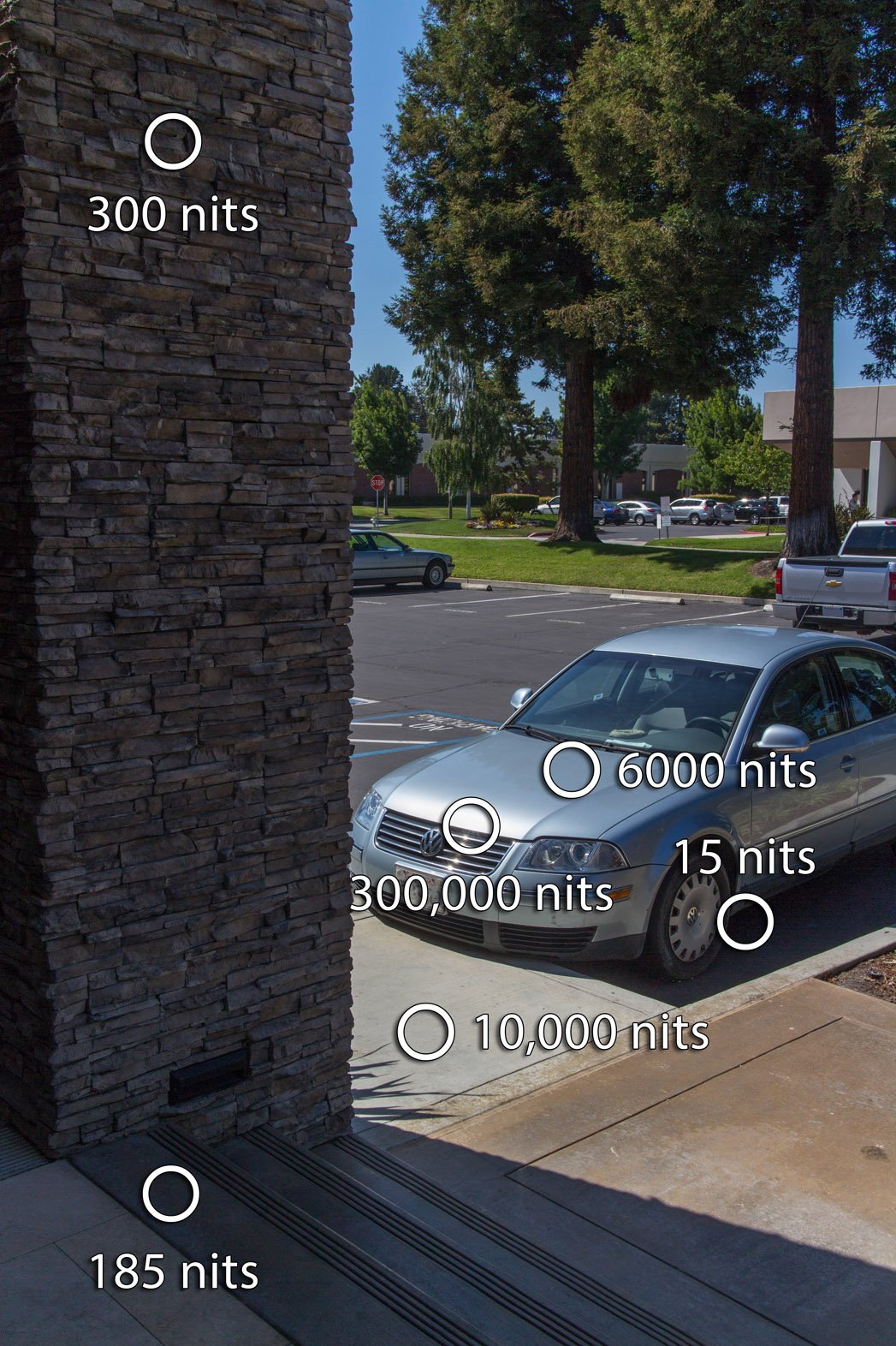 “You can see [a difference] with more pixels, but only when you are close up,” said Pat Griffis, Dolby’s executive director of technology strategy. “Brighter pictures you can see from across the room, so ‘better’ pixels may well be the low hanging fruit to consumer-perceived value.”
See the full story here: http://www.hollywoodreporter.com/behind-screen/dolby-proposing-disruptive-new-imaging-666400
The Opt-Out Economy
 [Phil Lelyveld comment; it isn't clear from the story if this is an actual trend or reporter trying to start one.]
But quickly, almost out of nowhere, we’re seeing an increasing propensity of people to opt out of these powerful trends. And the more people do it, the more acceptable it comes.
On social networks like Facebook and Twitter there is immense, unavoidable pressure to opt in.
But here and there, if you listen closely, you can detect signs of opting out. We all know teenagers who keep their Facebook accounts active, but spend all their time on Snapchat, which doesn’t leave the same digital footprint. And some professionals (ok, me) consciously boycott Twitter for the weekend.
Peer pressure, habit, tradition and marketing simply don’t possess the gravitational force they did in the past.
See the full story here: http://www.thedailybeast.com/articles/2013/12/16/the-opt-out-economy.html
Amazon to Shoot New TV Series In 4K Ultra HD Next Year
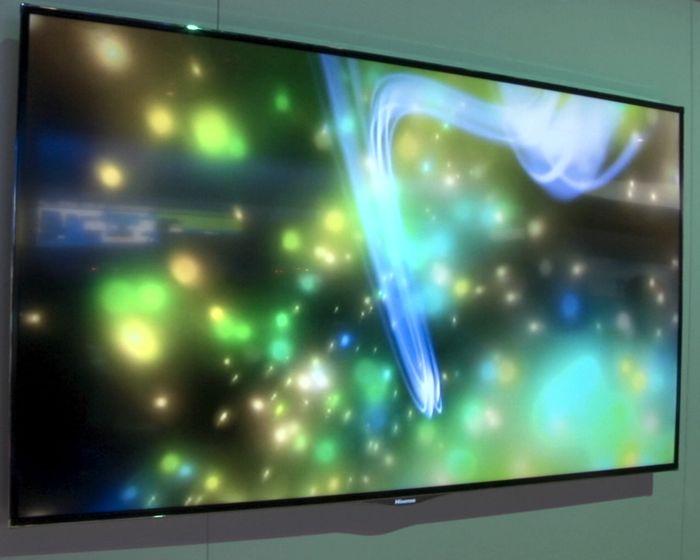 [Phil Lelyveld comment; because they distribute over IP, they don't have to wait for standards or infrastructure buildout to begin 4K distribution. Like Netflix before them, this could be a serious competitive and strategic alliance advantage.]
“As a premium original content creator, we’re excited about 4K and the future of Ultra HD technology, particularly as we move into drama series next year,” said Roy Price, Director of Amazon Studios. “All of the pilots and series we produce next year will be shot in 4K. That includes our first ever drama series that we will greenlight next year—we think customers are going to love watching these series in the highest resolution ever available to consumers and we can’t wait to deliver it.”
See the full story here: http://www.geeky-gadgets.com/amazon-to-shoot-new-tv-series-in-4k-ultra-hd-next-year-16-12-2013/