Sorry games industry, but VR won’t wait—Hollywood is coming for it
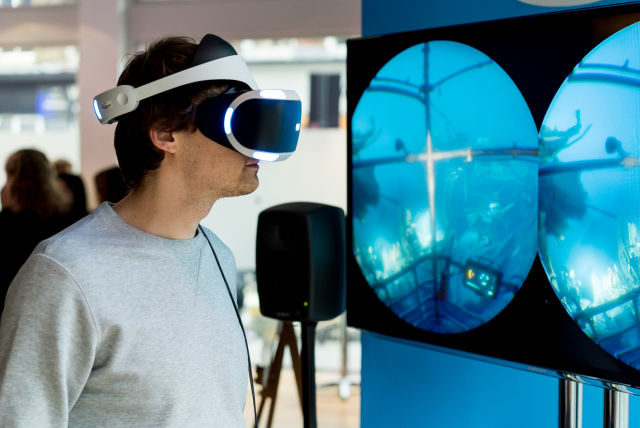 But here's the thing: while the games industry might be abandoning VR, that couldn't be further from the truth for Hollywood and the VFX industry. Arguably, they're producing the best VR content right now.
VFX companies started early. Before the HTC Vive was even announced, Framestore created the first fully motion tracked VR experience, using its expertise in film VFX to graft existing motion capture technology onto a headset. The result, dubbed Merrell TrailScape, took players on a 4D virtual hike, complete with a physical rope bridge, rock wall, and wind machine. It scared the heck out of users as they were made to shimmy across the edge of a virtual chasm. Framestore later made an experience for the film Interstellar on Oculus Rift—built in Unreal Engine 4 no less—that took players on a impressively detailed tour of the Endurance space ship. It's far more detailed than anything a games company has yet produced in VR.
What is and isn't a video game?
While these aren't gaming experiences, the games industry would be wise to watch what VFX companies like Framestore are doing. These are companies with vast experience in storytelling—far more than any games studio—and expertise in graphics technologies. Plus with VR being so young as a medium, who's to say what is and isn't a VR video game? Just as Sony would unexpectedly come to dominate 3D gaming in the '90s with the launch of the PlayStation, so too can other companies come in and upset the status quo with VR. Headset sales might not be there just yet, but for the games industry's biggest publishers to sit it out now, early or not, risks more than just short term losses—it risks losing the market altogether.
See the full story here: http://arstechnica.com/gadgets/2016/06/hollywood-will-win-virtual-reality-industry