E3 was secretly terrible for the future of virtual reality
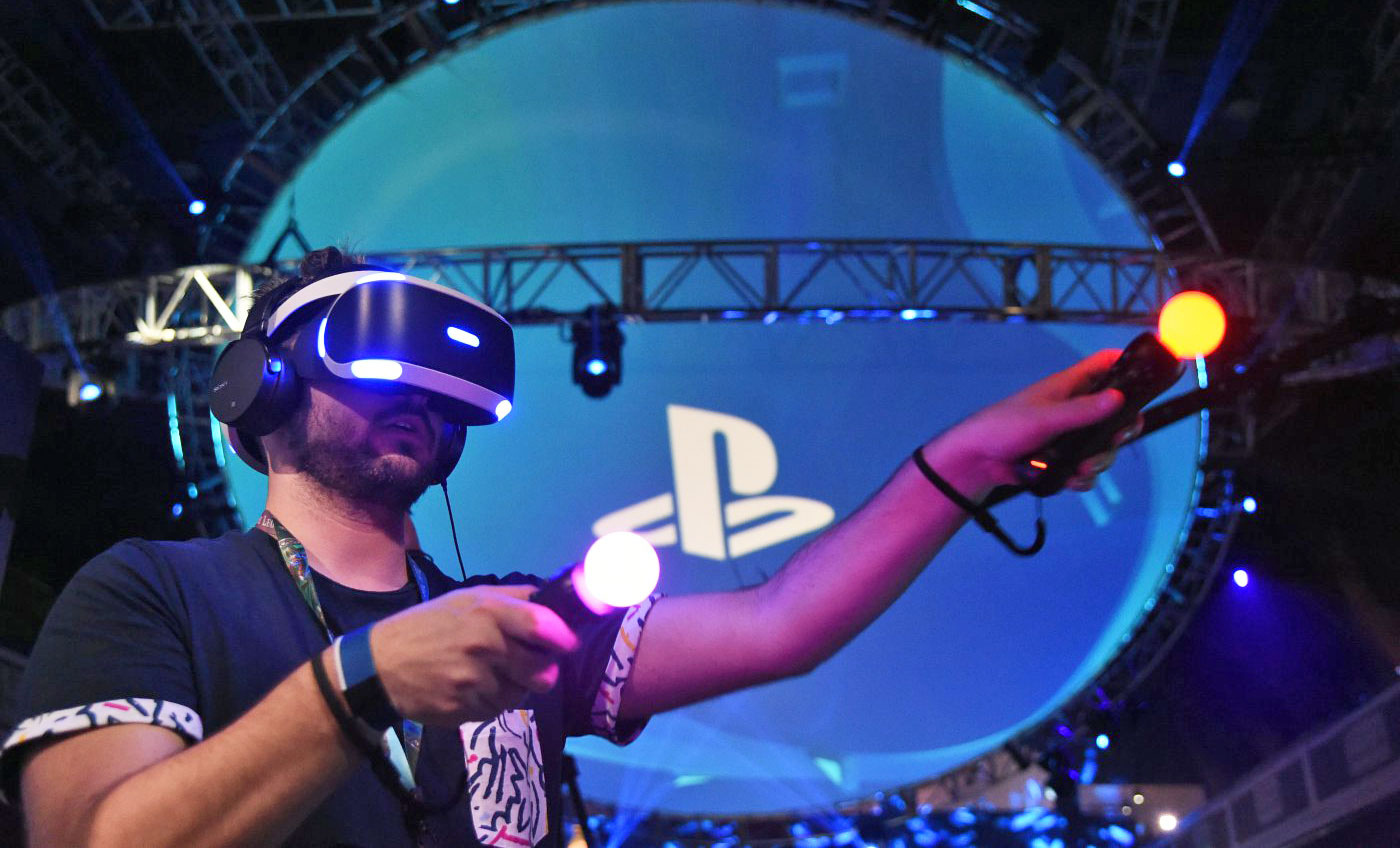 By having such a low bar for entry, Sony is allowing PlayStation VR developers to create games that flirt with simulator sickness. Combined with the fact that the demo's controls allowed the player to move their head with the gamepad, and the title is a nauseous mess. Resident Evil 7will probably improve its framerate and controls before hitting the consumer market, but giving it the option not to be better sets a dangerous precedent: If the first console VR games to hit the market make players sick, that could severely damage public perception of virtual reality gaming in general.
Palmer Luckey may be right about simulator sickness, but Oculus VR isn't off the hook when it comes to poisoning the well. The company spent much of E3 under fire for supposedly buying out multi-platform virtual reality games in order to make them exclusive to the Oculus Rift. Games like Superhot and Killing Floor: Incursion won't be available to HTC Vive owners for a limited period of time after release, while others, like Ripcoil and Wilson's heart, are first-party Oculus titles that will never be available to Vive owners. Nobody blinks when Sony announces an exclusive PlayStation game, but for the Vive and Rift's platform, this is completely unprecedented. Until now, there was no such thing as a hardware-exclusive PC game.
To be fair, the accusations against Oculus are only partially true: Oculus is buying timed exclusivity in exchange for helping to fund a game's development. It's not actually taking games away from Vive owners; it's just delaying their delivery. Even so, that's never been done on PC before.
See the full story here; https://www.engadget.com/2016/06/17/VR-at-E3-2016/