In the burgeoning world of virtual reality, storytelling is both cutting-edge and old-fashioned
In “Mindshow,” the tool allows you the ability to select reactions and then embed them into a story line; one demo has you alternately playing a captain and an alien in their first encounter; how you choose behaviors for each one informs how the scene plays out.
"Tree, from the duo that offered the powerful war experience "Giant,” tracks you as you move from a seed under the ground to a towering sentry of the rainforest, and eventually become a logging casualty. Notably, your movement changes the story: hold out your arms, for instance, and birds will land on them. “How much you want to interact will change what you feel,” said Zec.
Many consumers are still getting used to just wearing VR headsets. But both "Tree" and "Mindshow" demonstrate that there's room in the medium for viewers to do a lot more than adjust the focus.
...
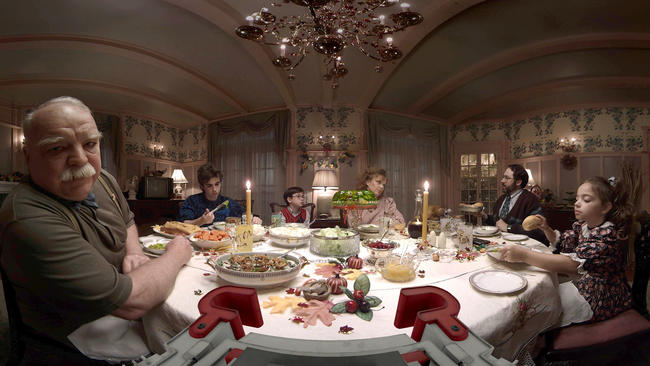 For their new piece, they partnered with Funny or Die and its editor in chief Owen Burke for a 40-minute dramatic comedy featurette that is one of the most traditional stories told in VR, and certainly one of the longest. A child in early 1980s suburbia receives a toy robot; overjoyed, he begins bringing him everywhere — to class, to his room, to family dinners. The robot obliges by performing tricks that are pretty nifty circa the first Reagan administration. Oh, and did we mention you're seeing the world through his eyes?
“We’re just starting to figure out how to suspend disbelief in VR, which is something we’ve known in cinema for a long time,” said Raphael. “And one way to do that is to give you a sense of presence, to make you feel like you’re a part of what’s happening.”
See the full story here: http://www.latimes.com/entertainment/movies/moviesnow/la-ca-mn-vr-future-20170208-story.html